/2000s-pfp · creator
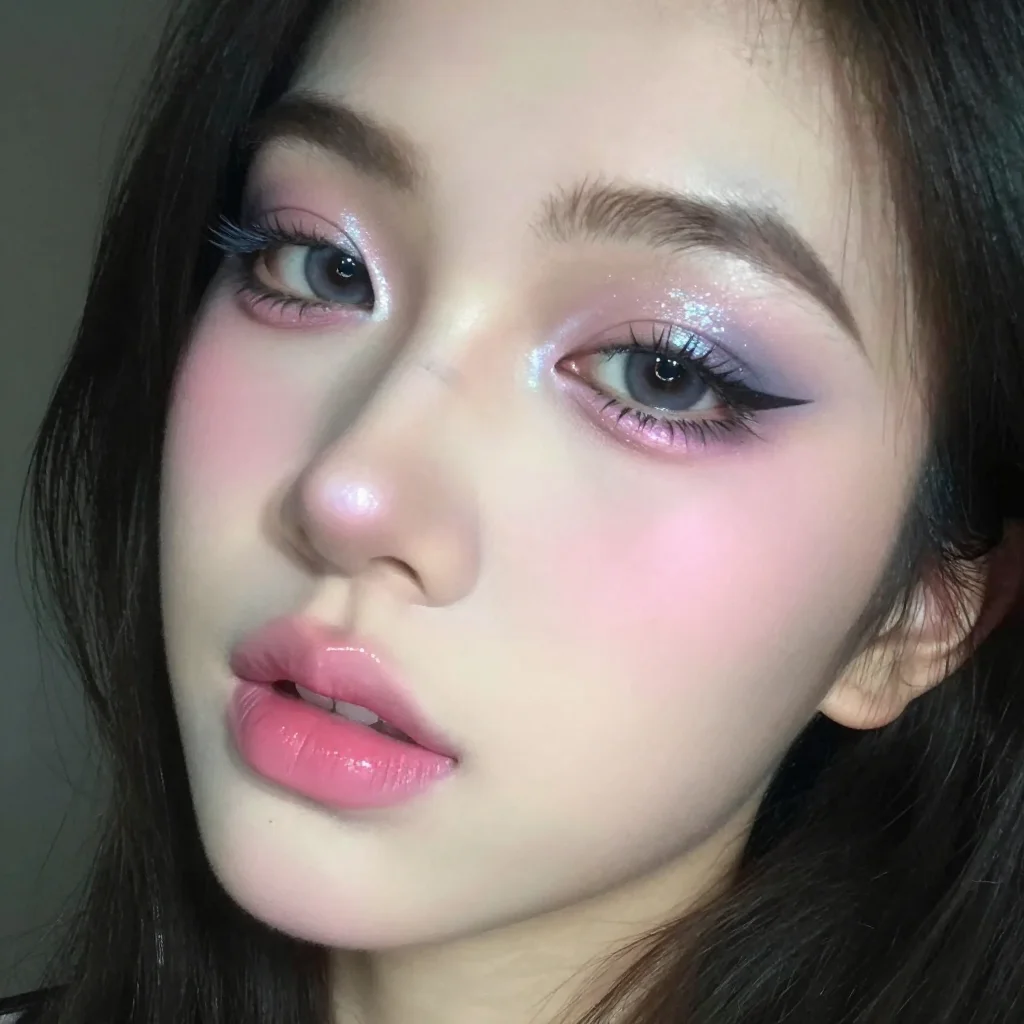
2000s pfp: mirror selfie with flip phone, scene hair, frosted-lip pop look

Make your own2000s pfp
Describe yours. We'll remake the whole pack your way.
More like this
the whole catalog →

every sample — three subjects, three styles ↓
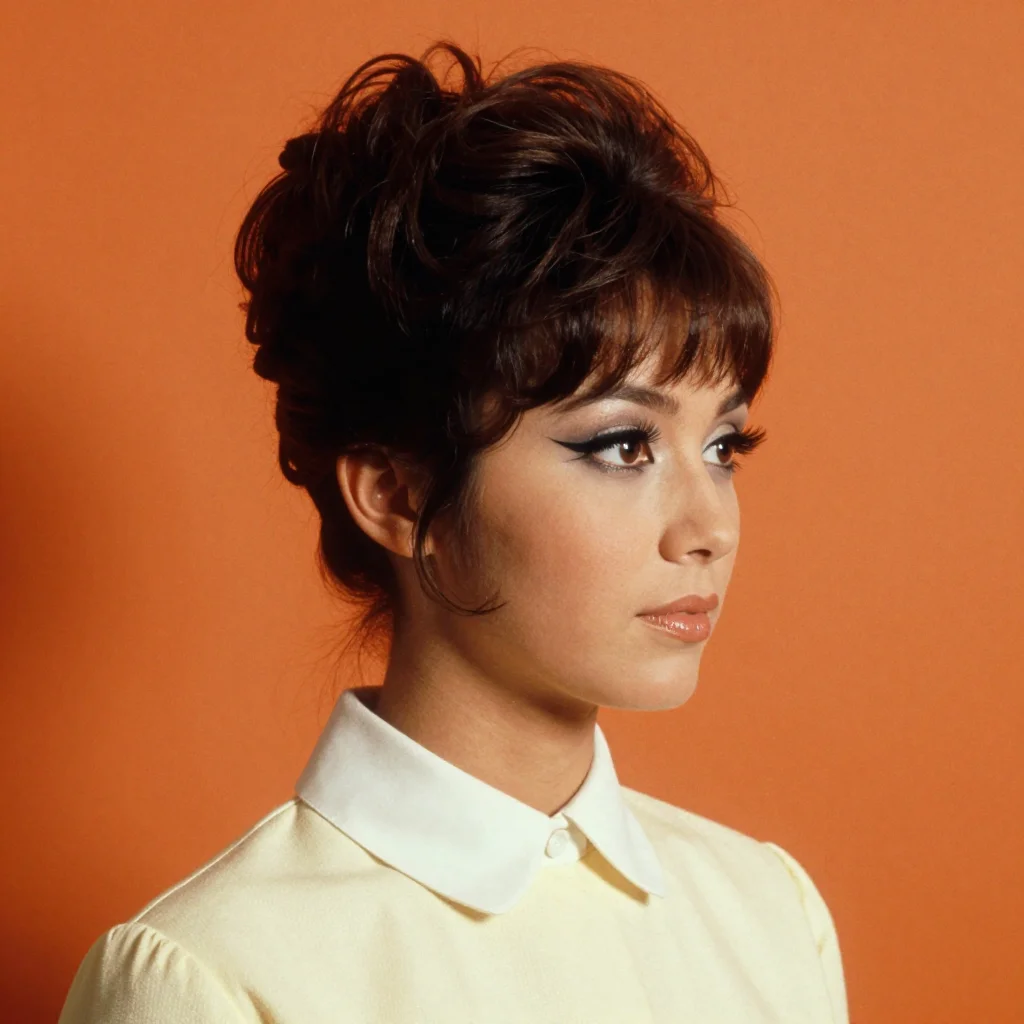
Profile pictures that look taken on a 2000s digital camera: a young woman taking a mirror photo with a pink flip phone in harsh glare; a teen with side-swept black hair and neon pink streaks, shot from a high angle; and a young woman with frosted pink lips and glittery eyeshadow in a soft-focus photo. Each is a compact digital camera photo, a webcam capture or a glossy angled selfie. Type a different twist and the look carries it.
- a social media profile picture
- a throwback profile for a group
- an avatar for a chat or forum
- a noughties-themed party profile
Frequently asked questions
- What do the three portraits show?
- A mirror selfie with a flip phone, a scene-hair portrait from above, and a frosted-lip pop look.
- How do the three camera styles differ?
- Digicam has low resolution, blown highlights and noisy shadows. Webcam has soft pixelated detail with a faint magenta tint. Angled selfie has glossy skin and heavy sharpening.
- Can I change the look?
- Yes. Type a twist such as with sunglasses or group photo and the look carries it. The result is a request, so it may differ from the samples.
- Are these photographs of real people?
- No. They are new images of invented people, styled as 2000s photographs.
About toile
This page is a showcase and a starting point: nine samples already rendered, three readings of the pack crossed with three styles, each shown at the size and ratio it was made for. Take any of them further on the wall with a few words, or ask for all nine again under your own direction; a sign-in keeps what you make, and it is free while Toile is new. The recipe behind each sample — the subject, the style, the palette, the framing — travels with the image rather than staying private to the render: it is in the alt text of every sample and in the page's own structured data, so a search engine reads the same handles a person would.