/3d-rangoli · faith
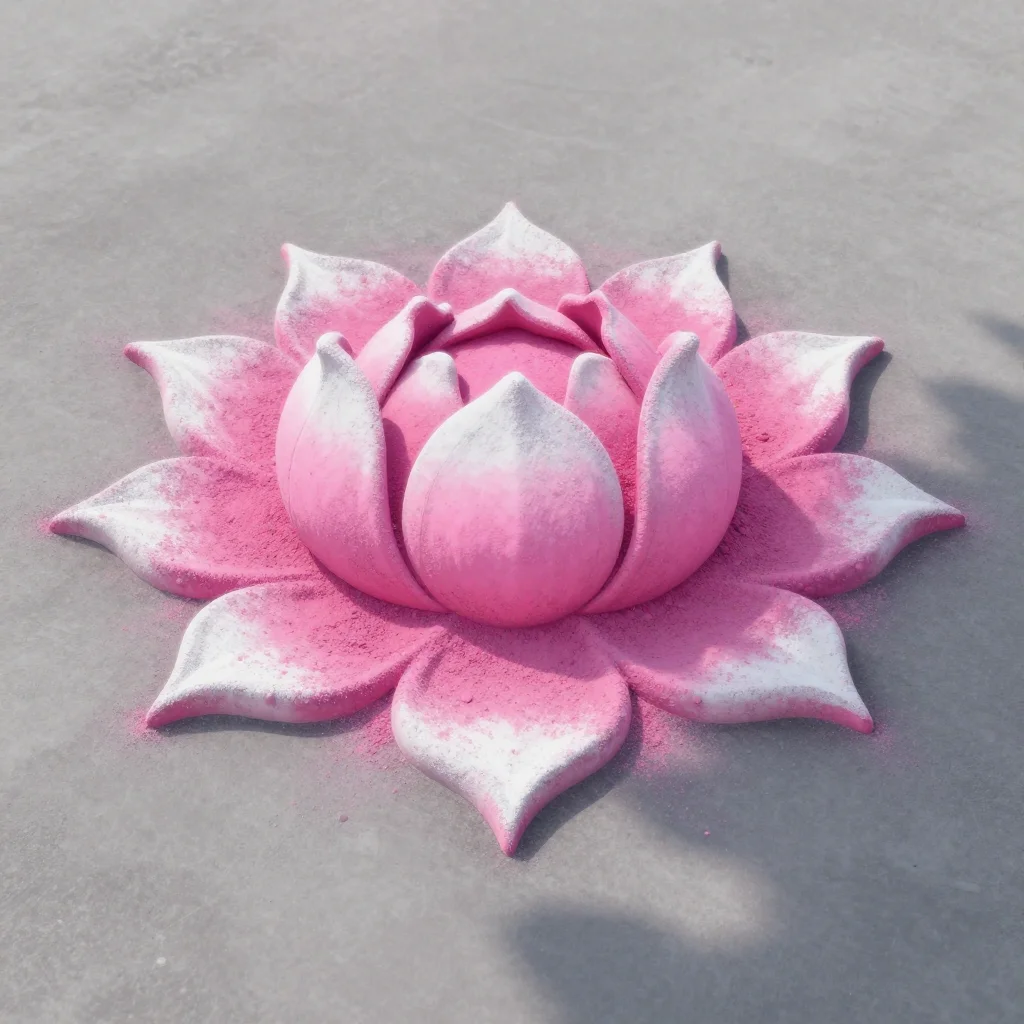
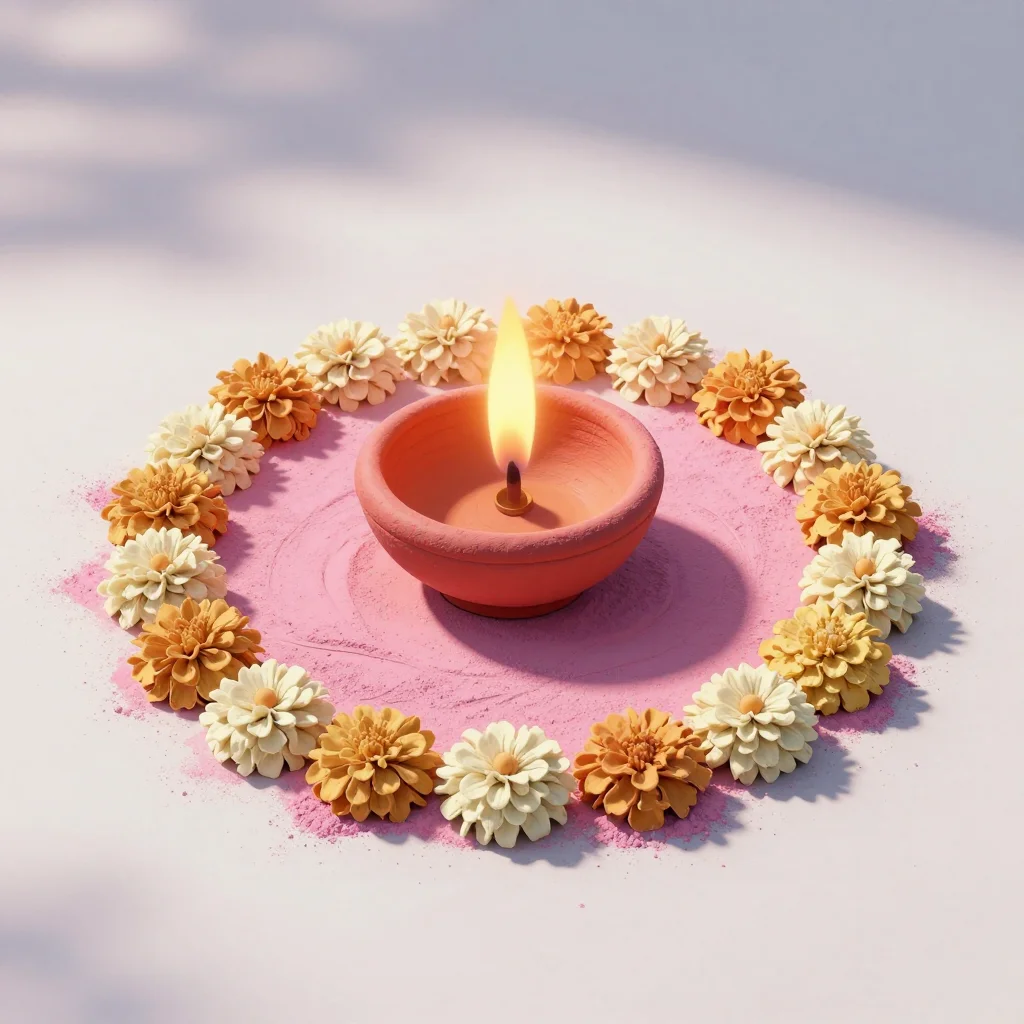
3D rangoli: a rising lotus, a petal sphere, a diya with its shadow
Make your own3D rangoli
Describe yours. We'll remake the whole pack your way.
More like this
the whole catalog →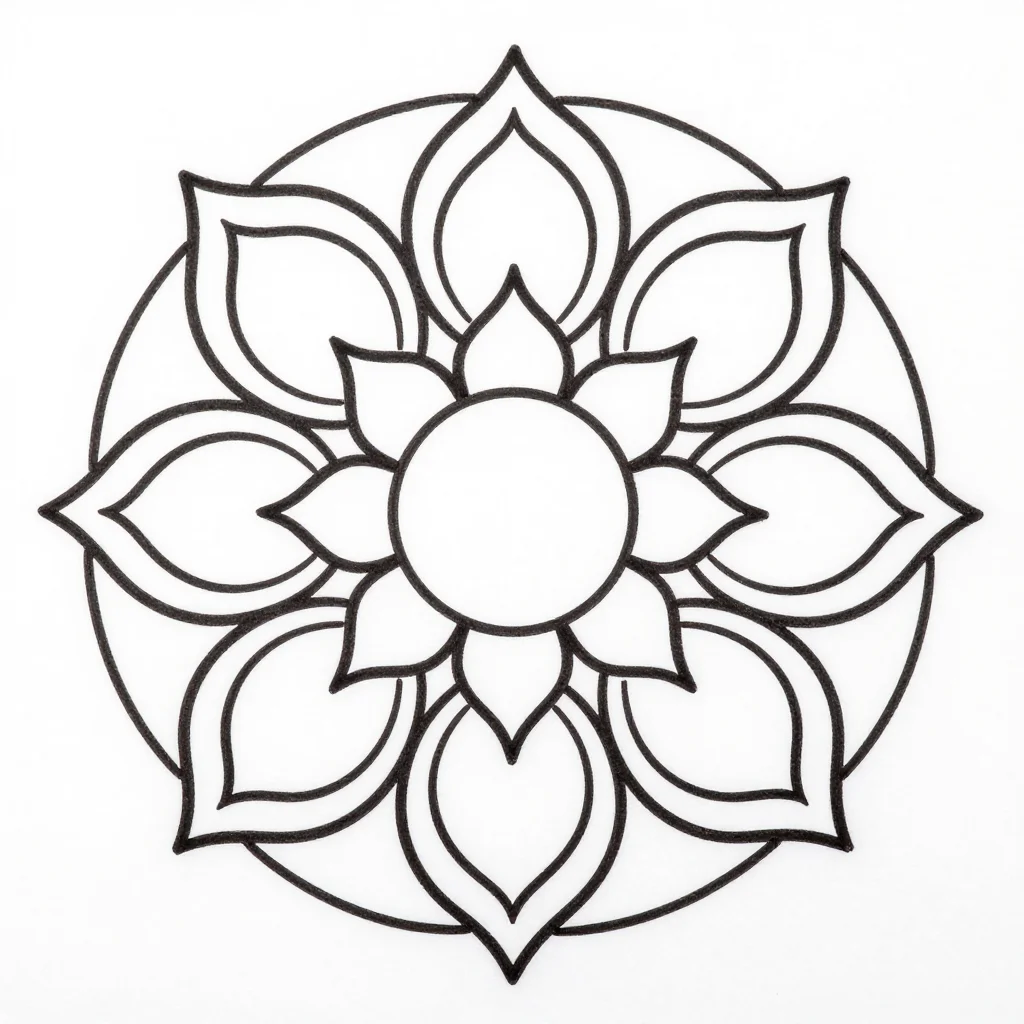
every sample — three subjects, three styles ↓
A 3D rangoli is made with careful shading in powder, so petals curl and shapes seem to rise off the floor, the kind shown at Diwali and Sankranti contests. These nine show three raised subjects: a lotus whose petals seem to lift, a ball of overlapping petals, and a clay diya casting a shadow. Each is hand shaded, laid on a contest floor, or drawn as a smooth render. Type a subject, such as a rose, to ask for it.
- a Diwali contest entry
- a Sankranti floor
- a shaded design to copy by hand
Frequently asked questions
- How is the 3D effect made?
- By shading alone. Each curve is blended from light to dark in powder and a cast shadow falls on the floor; the design has no physical height.
- What is the difference between the three styles?
- Hand shaded is a smooth powder gradient with a hard grey shadow; contest floor sits inside a chalk-line square in vivid colour; smooth render is a polished digital picture with a soft blurred shadow.
- Can I ask for a different shape?
- Yes. Type it as a direction, such as a cube; the request is drawn, and the result may differ from the nine shown.
About toile
This page is a showcase and a starting point: nine samples already rendered, three readings of the pack crossed with three styles, each shown at the size and ratio it was made for. Take any of them further on the wall with a few words, or ask for all nine again under your own direction; a sign-in keeps what you make, and it is free while Toile is new. The recipe behind each sample — the subject, the style, the palette, the framing — travels with the image rather than staying private to the render: it is in the alt text of every sample and in the page's own structured data, so a search engine reads the same handles a person would.