/aesthetic-posters · wall-art
Aesthetic posters: diner at night, magazine cover, mood grid
Make your ownAesthetic posters
Describe yours. We'll remake the whole pack your way.
More like this
the whole catalog →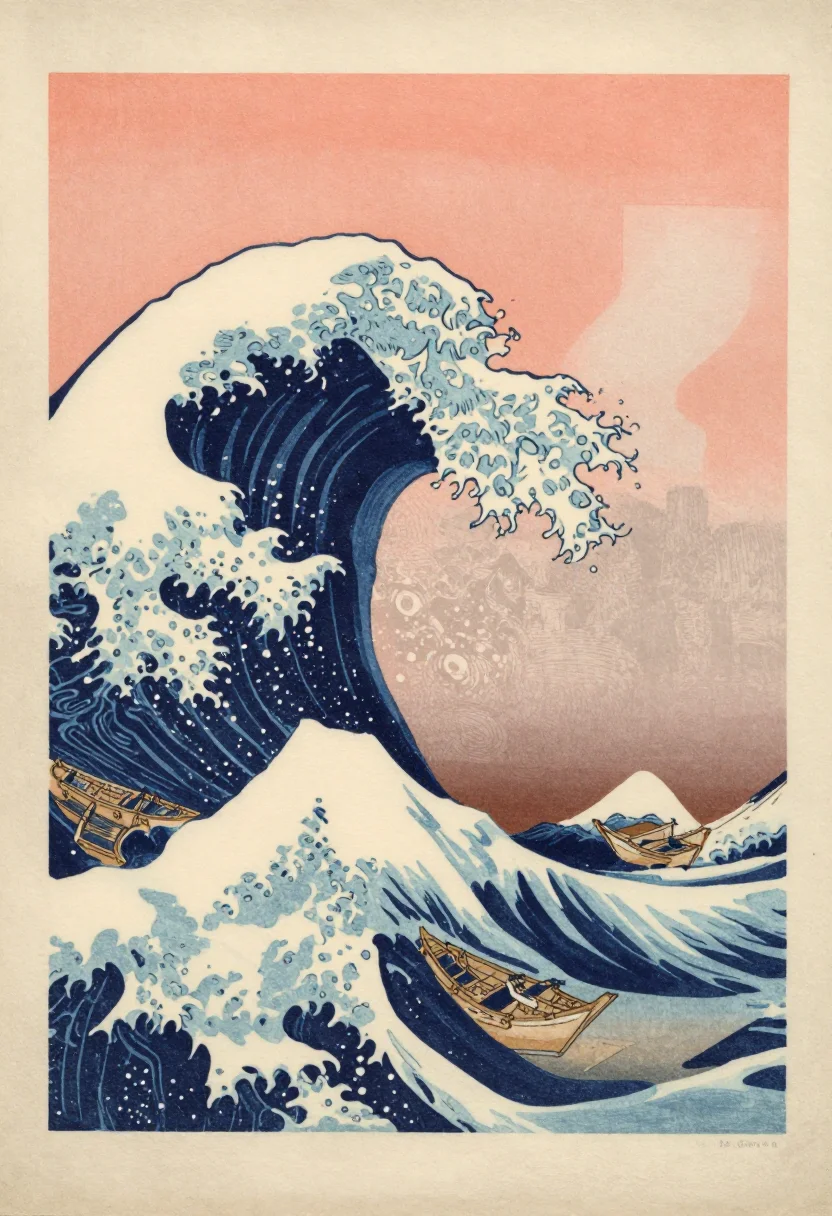
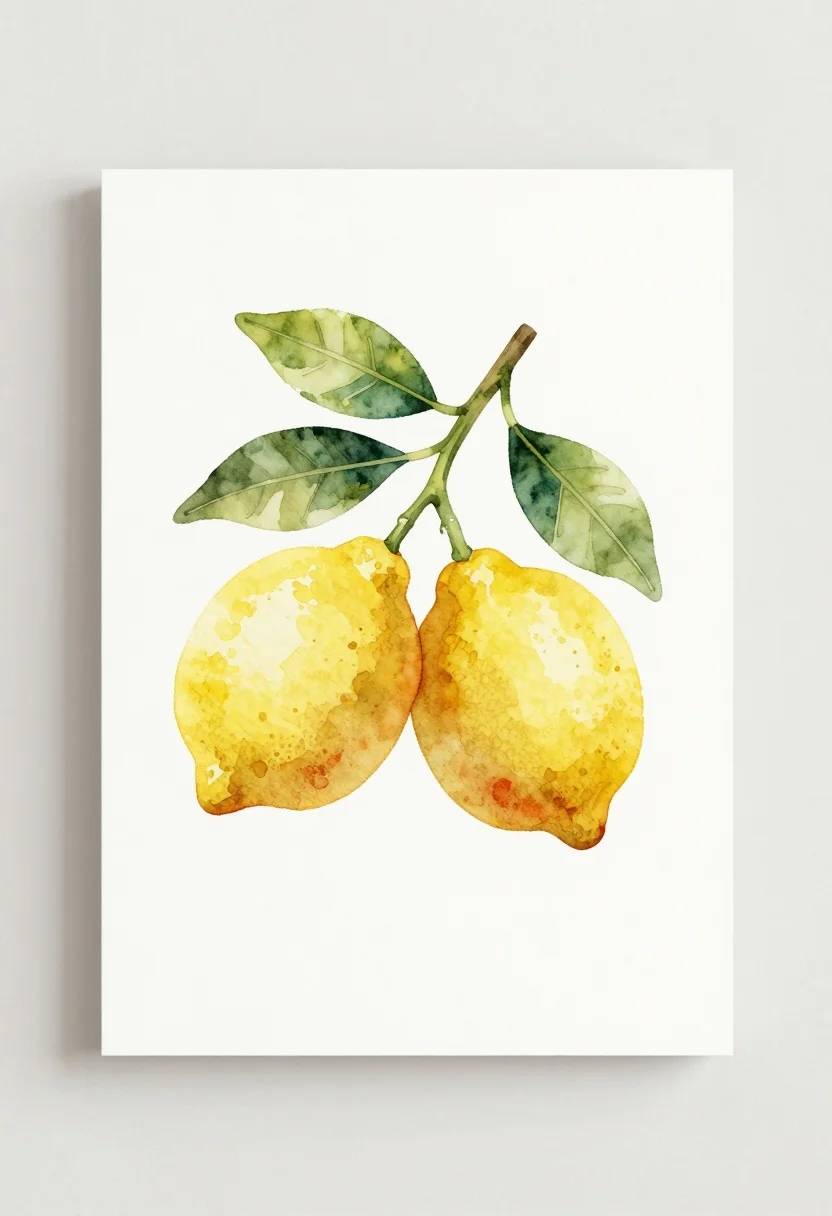
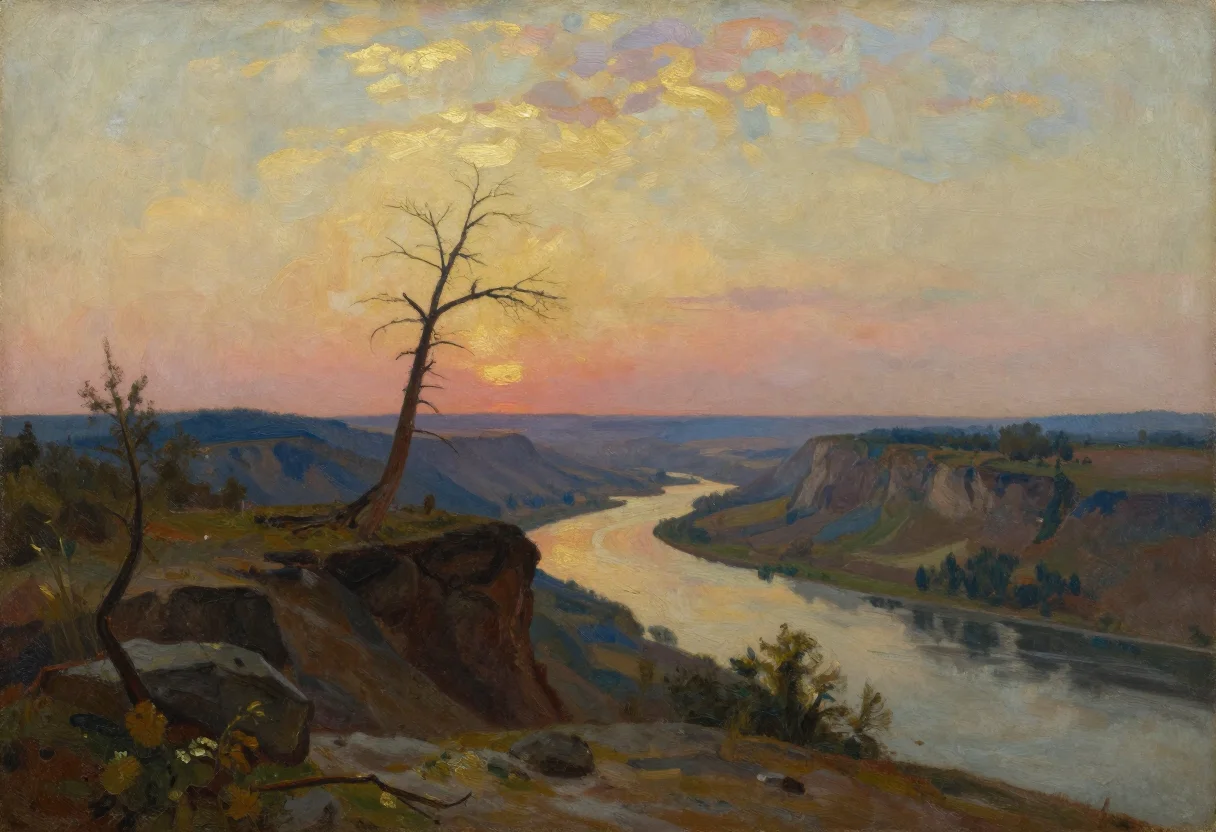
every sample — three subjects, three styles ↓
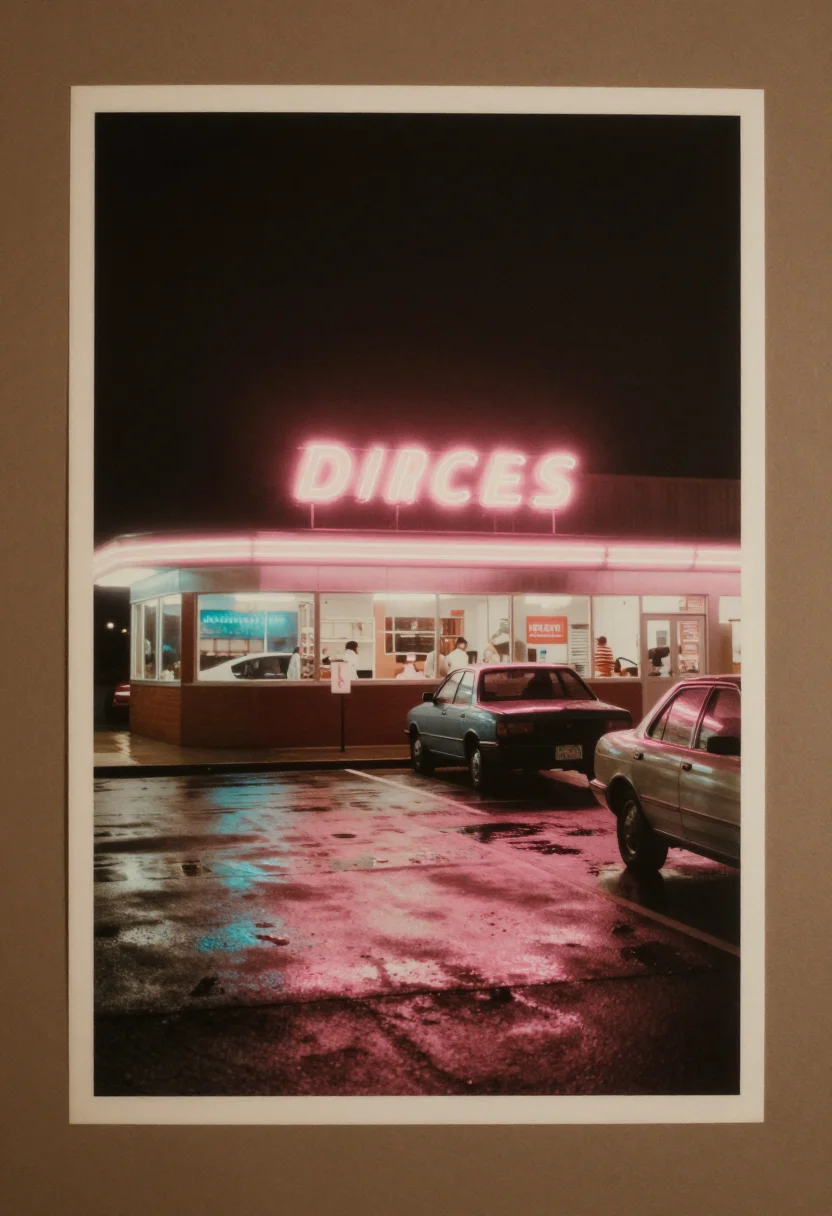
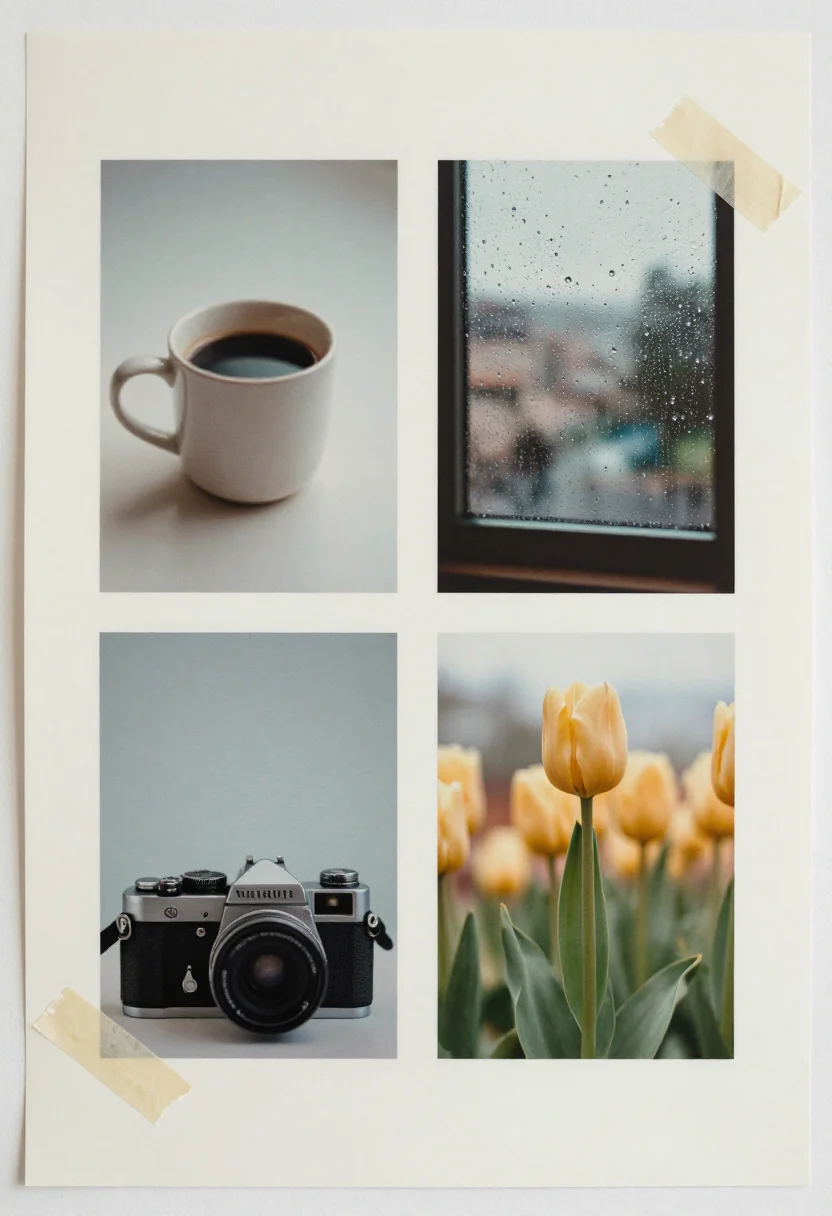
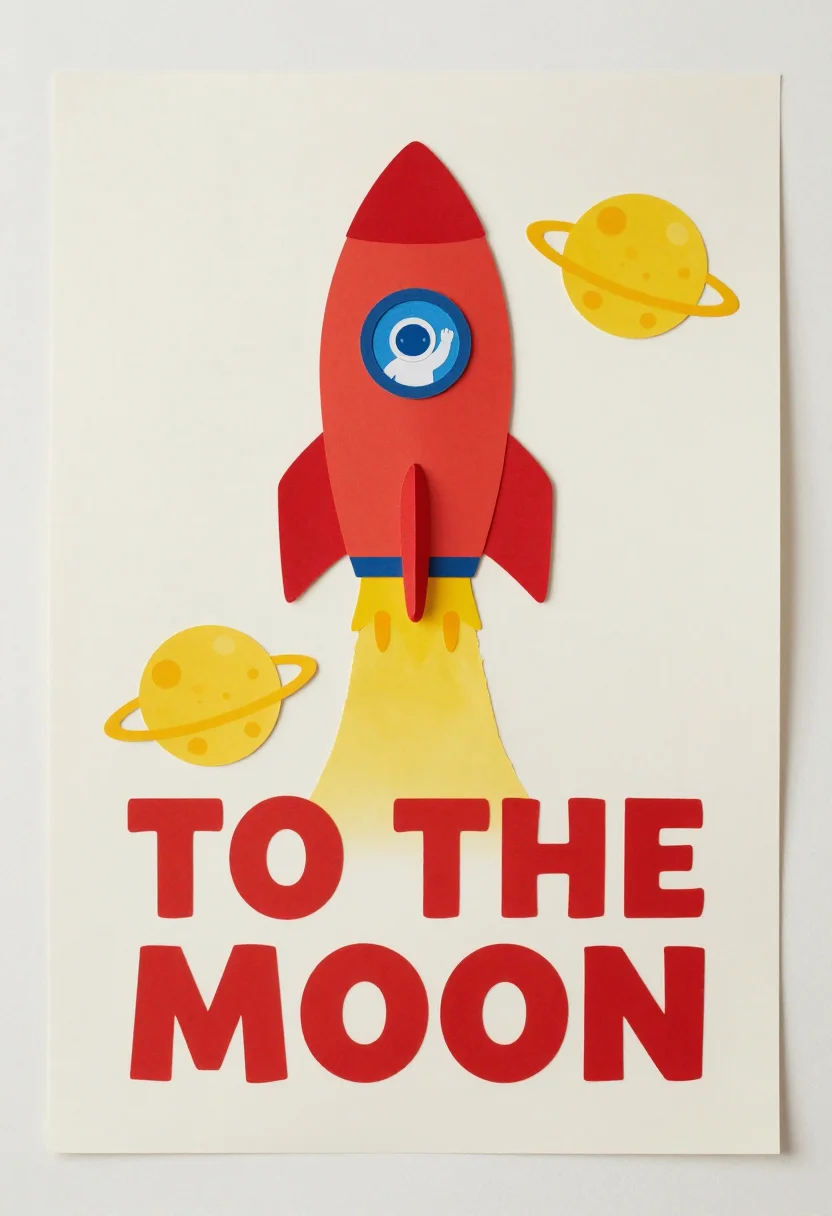
An aesthetic poster sells a mood, not a subject — a neon-lit diner at night, a vintage magazine cover with a blank masthead, a grid of four faded mood photos — and these nine run all three as retro film still, magazine layout and photo collage. Ask for a dark-academia version or a phone-wallpaper crop, and the set redraws.
- a teen or dorm room wall
- a study or reading corner
- a matching phone wallpaper set
- a set of three above a desk
Frequently asked questions
- What size do these print at?
- Each poster is drawn at a portrait ratio with an even margin, so it prints clean at A3 or scales to A4.
- Can I get a different mood, like dark academia?
- Yes — the direction field takes a request like 'a dark academia version' and redraws all three posters into that mood.
- Is the text on the magazine cover readable?
- No — the masthead and text blocks are left blank by design, so you can drop in your own words or leave them empty.
- What's the difference between the collage and the mood-grid reading?
- The mood grid is one poster split into four photo squares; the collage treatment layers cut-paper fragments freely across the whole sheet.
About toile
This page is a showcase and a starting point: nine samples already rendered, three readings of the pack crossed with three styles, each shown at the size and ratio it was made for. Take any of them further on the wall with a few words, or ask for all nine again under your own direction; a sign-in keeps what you make, and it is free while Toile is new. The recipe behind each sample — the subject, the style, the palette, the framing — travels with the image rather than staying private to the render: it is in the alt text of every sample and in the page's own structured data, so a search engine reads the same handles a person would.