/anniversary-cards · occasions
Anniversary cards: the number, two rings and two chairs in three styles
Make your ownAnniversary cards
Describe yours. We'll remake the whole pack your way.
More like this
the whole catalog →
every sample — three subjects, three styles ↓
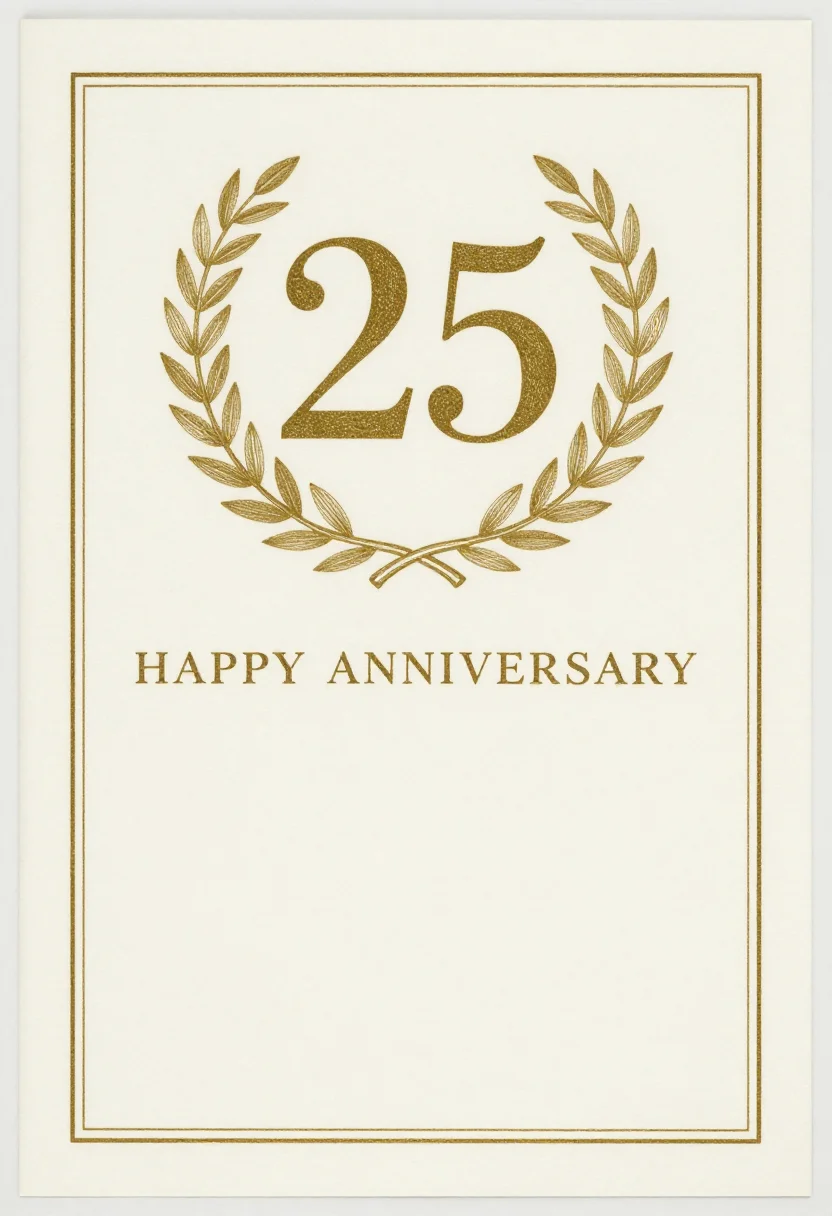
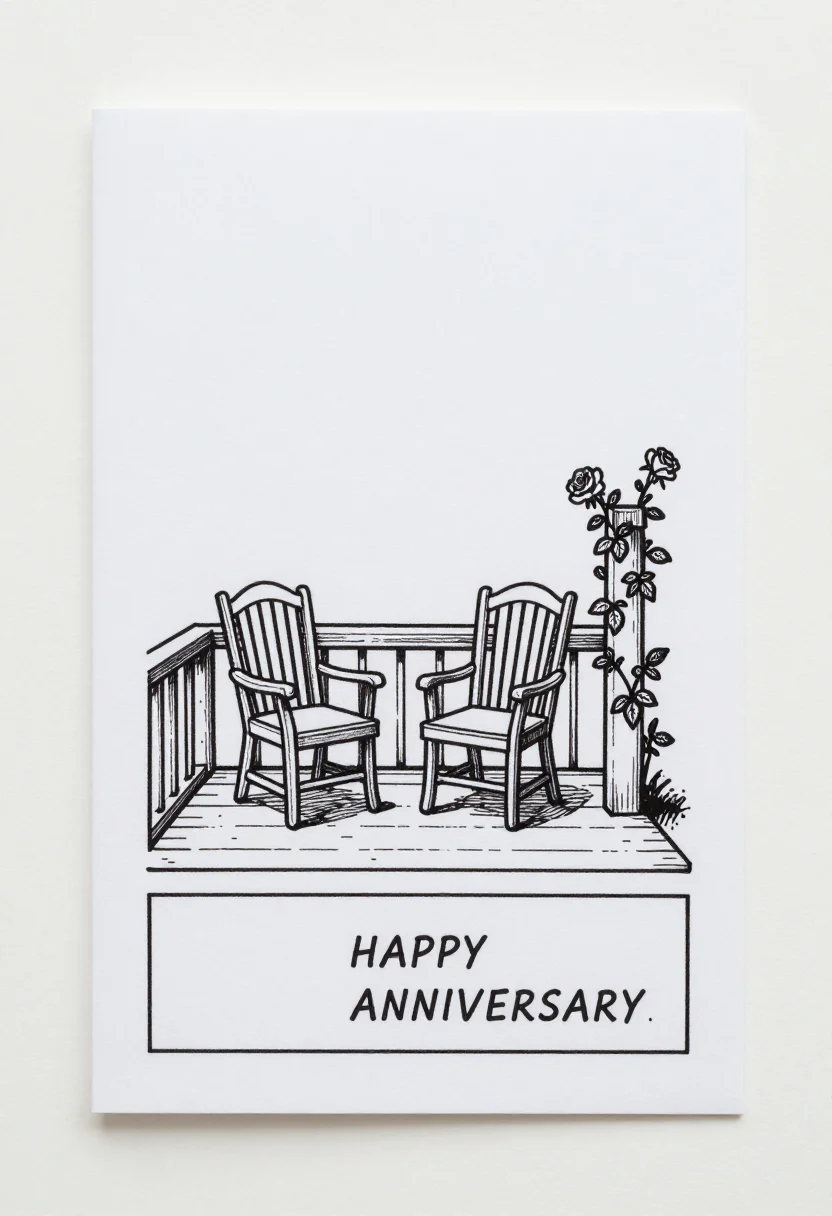
An anniversary card carries a number that means something: 1, 10, 25, 50 in gold or a laurel, two rings interlocked, two chairs on a porch in line art. HAPPY ANNIVERSARY sits over watercolor roses on one version; the number, gilt-laurel style, on another. A blank panel waits inside. Ask for a first-anniversary version, or a different palette, and it redraws.
- an anniversary card with the actual year number
- a card for a milestone anniversary like 25 or 50
- a card with a porch-and-chairs motif
- a first-anniversary card
Frequently asked questions
- Can I get the actual number we're celebrating?
- Yes — type the number into the direction field, like 'for a first anniversary,' and the card redraws with that specific number as the motif.
- Does HAPPY ANNIVERSARY print exactly?
- Yes — where the wording appears, it's spelled exactly as shown, with a blank panel inside the fold for a personal note.
- Which style suits a milestone anniversary, like 25 or 50?
- The gilt-laurel number design is built for a milestone — it reads formal and celebratory in a way the line-art chairs design doesn't aim for.
- Can I change the color palette?
- Yes — type 'in blue and silver' or another palette into the direction field and the same three motifs redraw around it.
About toile
This page is a showcase and a starting point: nine samples already rendered, three readings of the pack crossed with three styles, each shown at the size and ratio it was made for. Take any of them further on the wall with a few words, or ask for all nine again under your own direction; a sign-in keeps what you make, and it is free while Toile is new. The recipe behind each sample — the subject, the style, the palette, the framing — travels with the image rather than staying private to the render: it is in the alt text of every sample and in the page's own structured data, so a search engine reads the same handles a person would.