/arabic-alphabet-charts · classroom
Arabic alphabet charts: letters, joining forms, vowel marks
Make your ownArabic alphabet charts
Describe yours. We'll remake the whole pack your way.
More like this
the whole catalog →
every sample — three subjects, three styles ↓
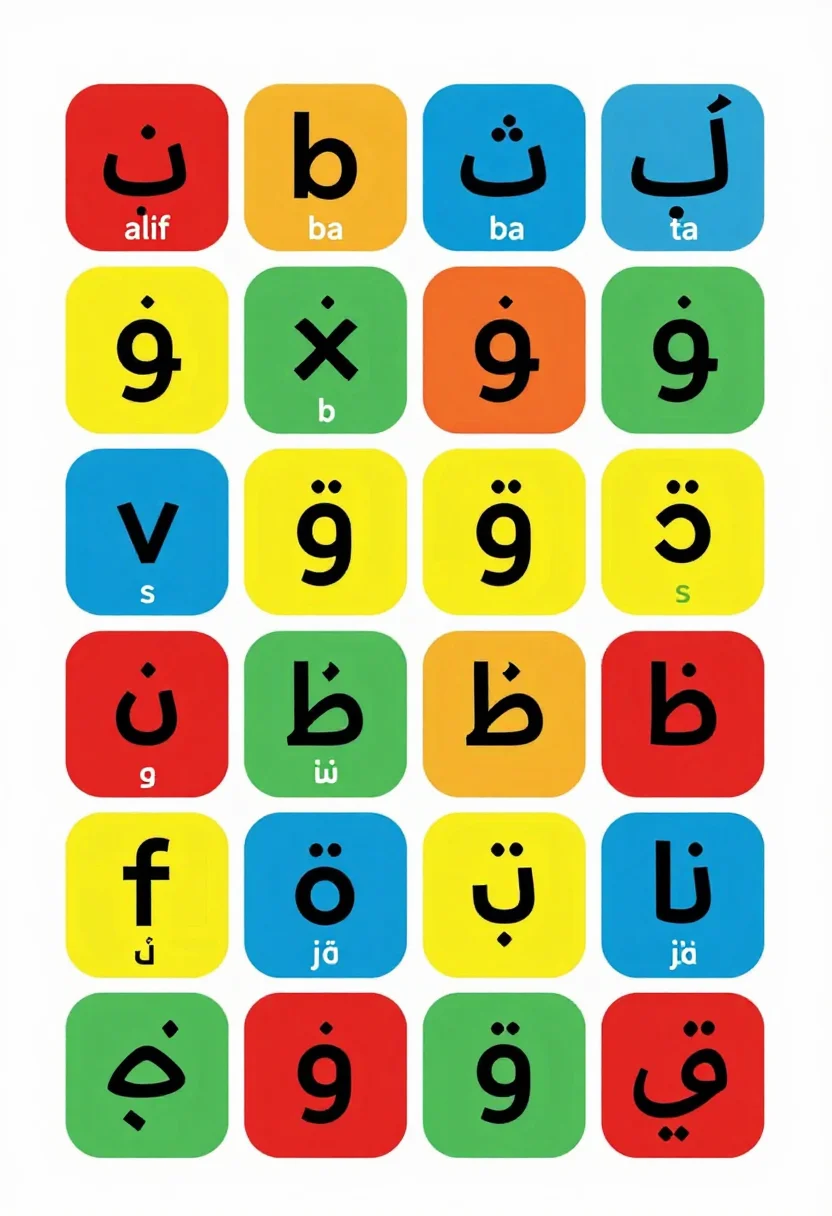
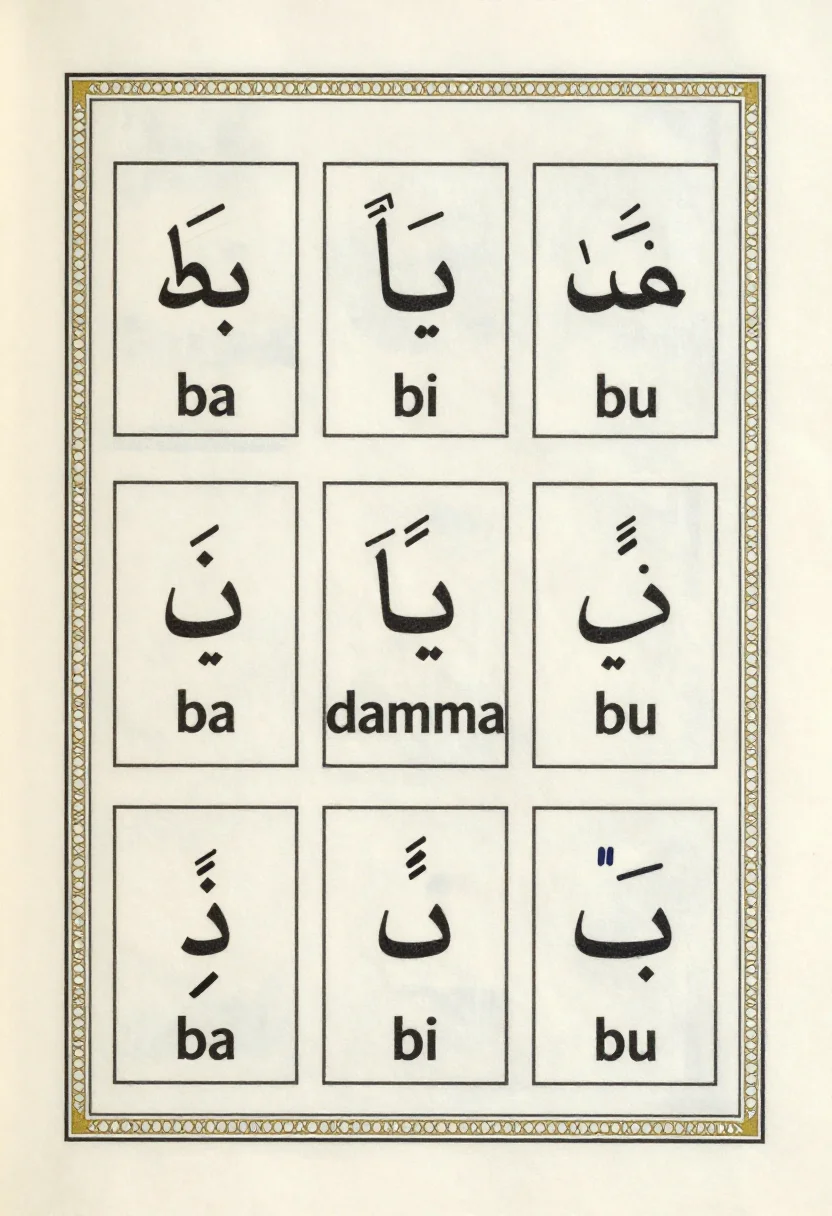
Printable charts of the Arabic alphabet for a wall or the front of a notebook. One shows the 28 letters in order with their names. One shows how each letter joins in its isolated, final, medial and initial forms. One shows the short vowel marks on the letter ba. Each reading comes in classroom colour, black ink or a manuscript border. You can also type a twist, such as big letters, and the charts are drawn to that request.
- a classroom wall for Arabic reading
- a Quran class or after-school study wall
- the front of a child's notebook
- a desk reference while learning the joining forms
Frequently asked questions
- Which way do the letters run?
- Right to left, as Arabic is written. Each letter has its name in small Latin type beneath it.
- What are the joining forms?
- Most Arabic letters change shape depending on where they sit in a word. The forms chart shows each letter isolated, at the end, in the middle and at the start of a word.
- What is the difference between the three styles?
- Classroom colour uses bold red, blue, yellow and green boxes on white. Black ink is a plain grid with thin lines. Manuscript is a geometric border in gold and deep blue on cream paper.
- Can I ask for a different subject?
- Yes. Type a subject or twist and it is drawn as a request; the nine pictures here are the nine samples.
About toile
This page is a showcase and a starting point: nine samples already rendered, three readings of the pack crossed with three styles, each shown at the size and ratio it was made for. Take any of them further on the wall with a few words, or ask for all nine again under your own direction; a sign-in keeps what you make, and it is free while Toile is new. The recipe behind each sample — the subject, the style, the palette, the framing — travels with the image rather than staying private to the render: it is in the alt text of every sample and in the page's own structured data, so a search engine reads the same handles a person would.