/baisakhi-cards · faith
Baisakhi cards: harvest, Khalsa, mela invitation
Make your ownBaisakhi cards
Describe yours. We'll remake the whole pack your way.
More like this
the whole catalog →

every sample — three subjects, three styles ↓
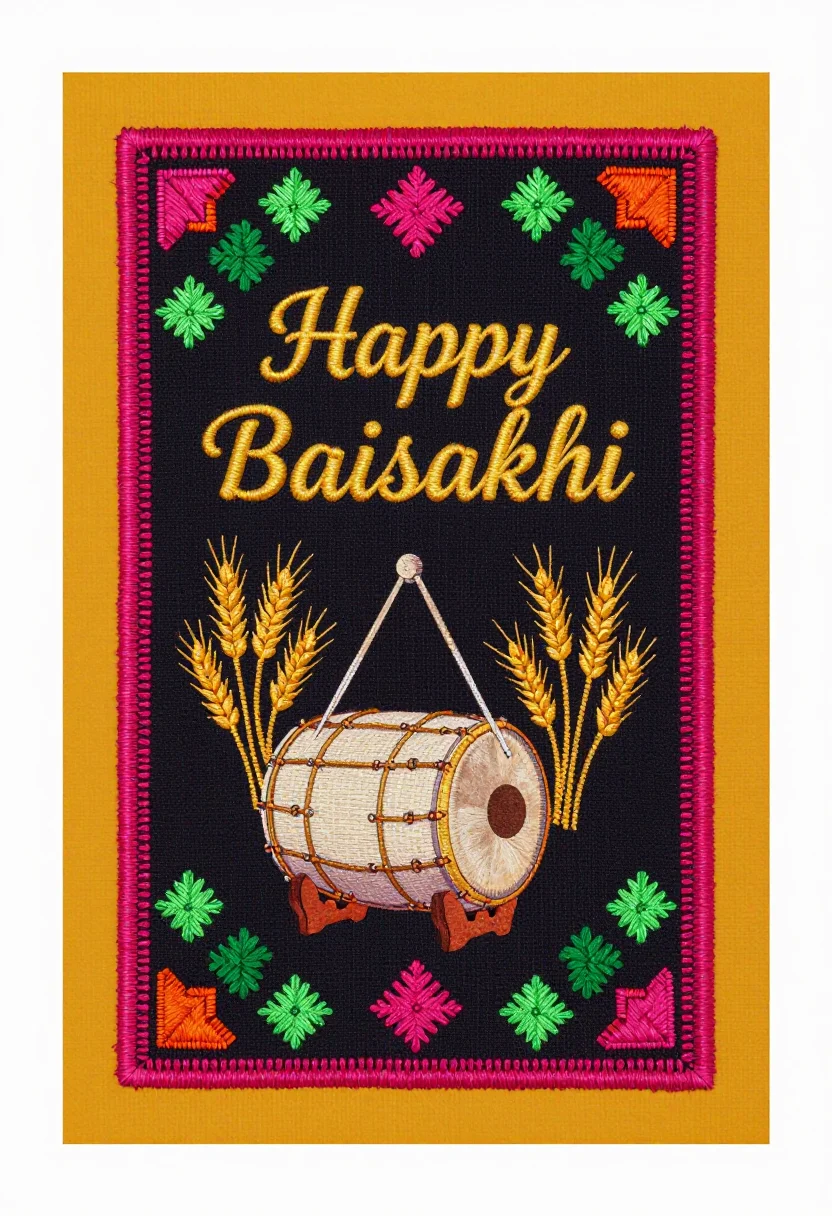
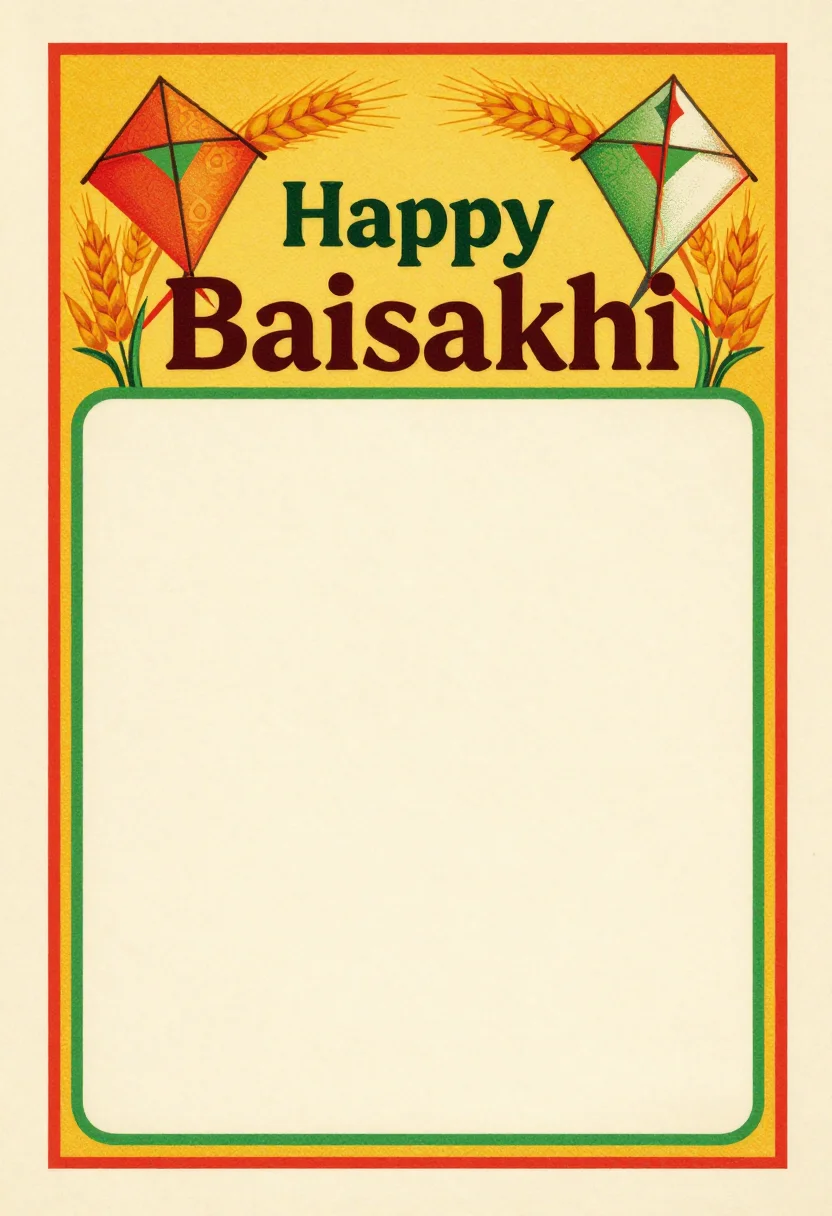
A card for Baisakhi, also written Vaisakhi, the Punjabi harvest festival of mid-April that marks the founding of the Khalsa in 1699. These nine show a harvest card with wheat and a dhol, a Khalsa card with the Khanda, and a mela invitation with a clear panel for the date and place. Each is drawn in Phulkari, Punjabi folk art or a retro print. Type a different motif, such as kites, and the same styles carry it.
- a greeting to family for Baisakhi
- an invitation to a mela or langar
- a card for a gurdwara or school notice
- a printed card for a community event
Frequently asked questions
- What does the Khanda stand for?
- The Khanda is the emblem of the Sikh faith. The Khalsa card shows it in saffron at the centre.
- Is the greeting spelled as I need it?
- The greeting is set as the design asks, such as Happy Baisakhi or Vaisakhi Diyan Lakh Lakh Vadhaiyan. Check any lettering against your wording before printing.
- Can I write in the invitation panel?
- Yes. The mela card has a large clear panel for the date and place, left blank for you to fill in.
- What is Phulkari?
- Phulkari is Punjabi embroidery on cloth, with bright satin-stitch geometric motifs. The Khalsa card uses its look as a border.
About toile
This page is a showcase and a starting point: nine samples already rendered, three readings of the pack crossed with three styles, each shown at the size and ratio it was made for. Take any of them further on the wall with a few words, or ask for all nine again under your own direction; a sign-in keeps what you make, and it is free while Toile is new. The recipe behind each sample — the subject, the style, the palette, the framing — travels with the image rather than staying private to the render: it is in the alt text of every sample and in the page's own structured data, so a search engine reads the same handles a person would.