/bakery-illustrations · bakery
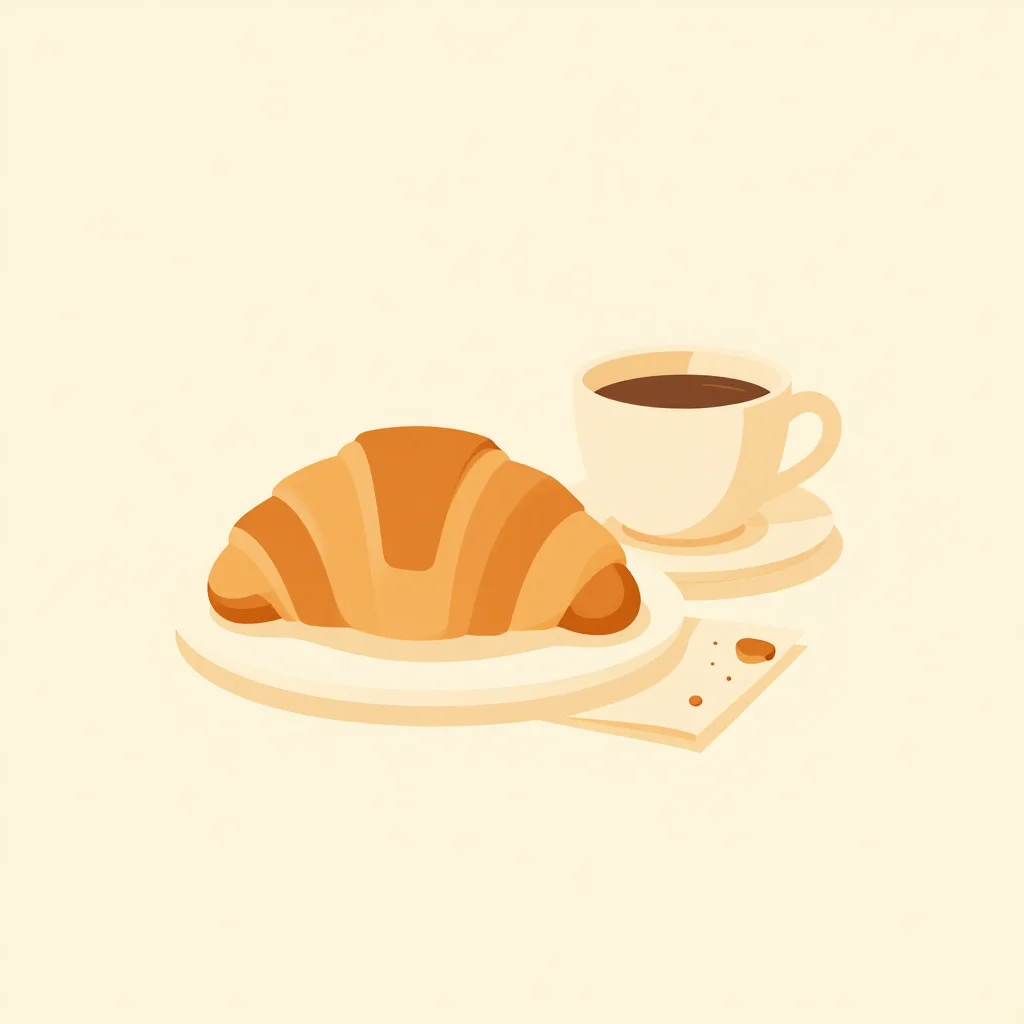
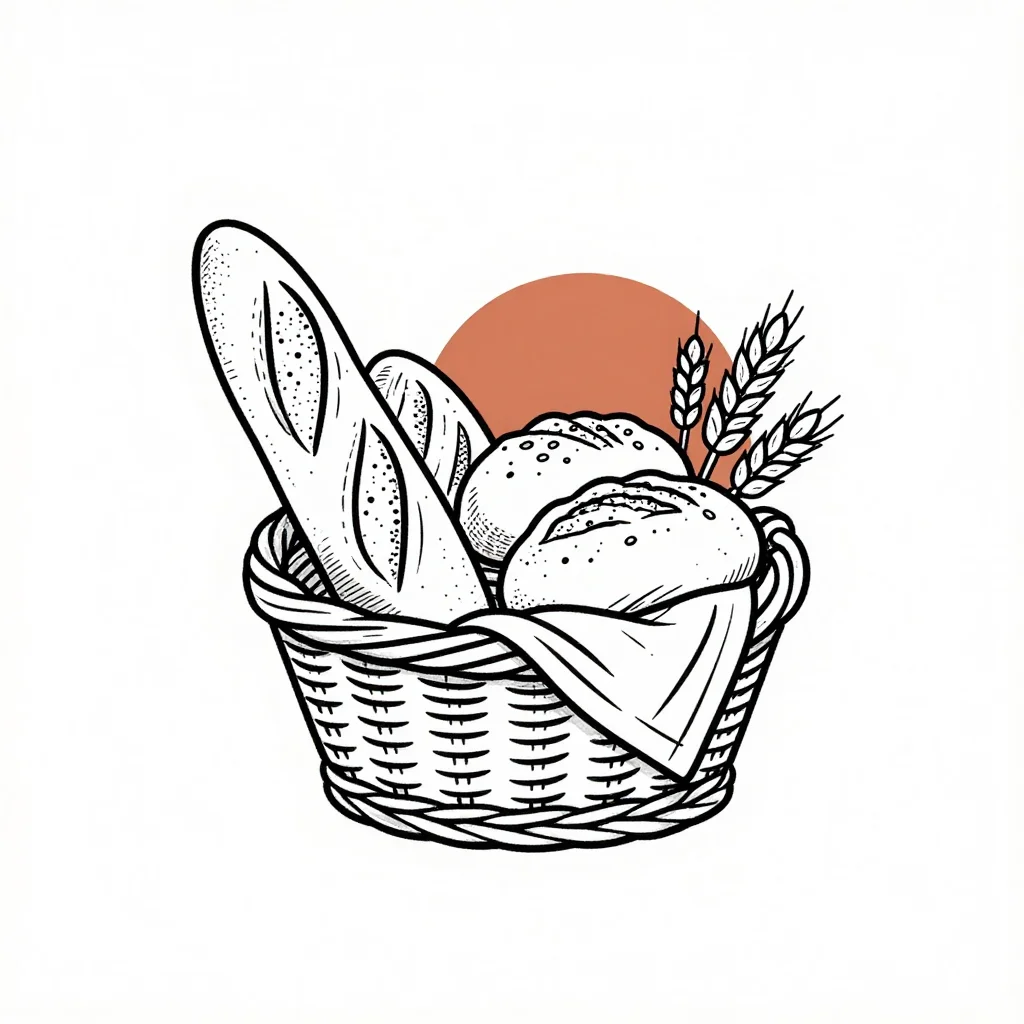
Bakery illustration: croissant, cake slice, bread basket
Make your ownBakery illustrations
Describe yours. We'll remake the whole pack your way.
More like this
the whole catalog →


every sample — three subjects, three styles ↓
Bakery illustrations draw the pastry, not photograph it: a croissant with coffee, a single slice of layered cake, a basket of assorted bread. These nine render each in flat, watercolor and line styles, ready for a menu, a sign or a kitchen print. Type a bakery logo or a kitchen print and the same three styles carry it.
- a bakery's own menu illustration
- a shop sign or window decal
- a kitchen wall print
- a packaging or label illustration
- a gift print for a baker
Frequently asked questions
- What size do these print at?
- Each illustration is drawn at a clean square proportion, so it prints well as an A4 sheet or crops cleanly for signage and packaging.
- Can I ask for a different pastry, like a cupcake?
- Yes — the direction field takes any pastry or subject, and the same three styles render it.
- What's the difference between the three styles?
- Flat is simplified vector shapes in a warm limited palette; watercolor uses soft warm bleeds on white paper; line is single-weight black ink with one accent colour.
- Can I use this for my bakery's branding?
- The illustrations are a style reference and starting point — treat them as a design direction to adapt for your own branding, not a finished trademarked logo.
About toile
This page is a showcase and a starting point: nine samples already rendered, three readings of the pack crossed with three styles, each shown at the size and ratio it was made for. Take any of them further on the wall with a few words, or ask for all nine again under your own direction; a sign-in keeps what you make, and it is free while Toile is new. The recipe behind each sample — the subject, the style, the palette, the framing — travels with the image rather than staying private to the render: it is in the alt text of every sample and in the page's own structured data, so a search engine reads the same handles a person would.