/bhai-dooj-cards · faith
Bhai Dooj cards: tilak thali, Bhai Phonta, for a little brother
Make your ownBhai Dooj cards
Describe yours. We'll remake the whole pack your way.
More like this
the whole catalog →
every sample — three subjects, three styles ↓
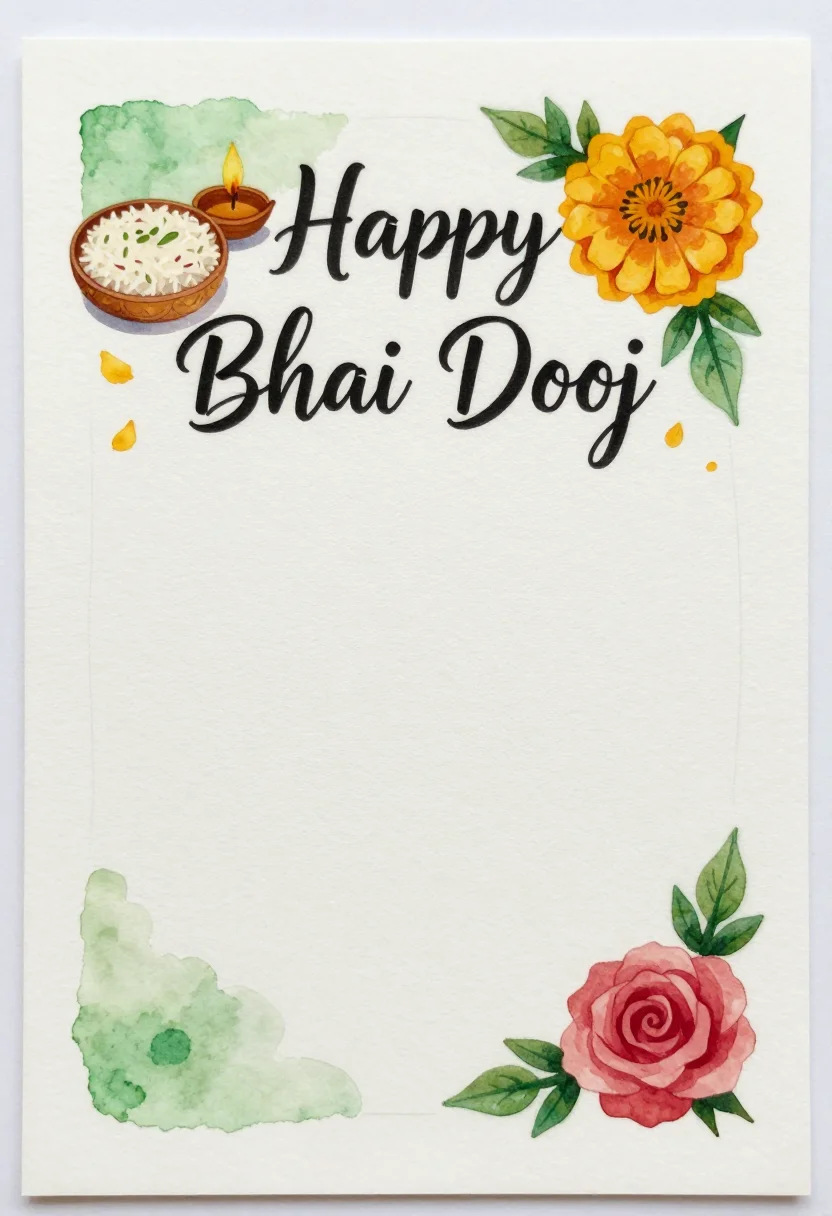
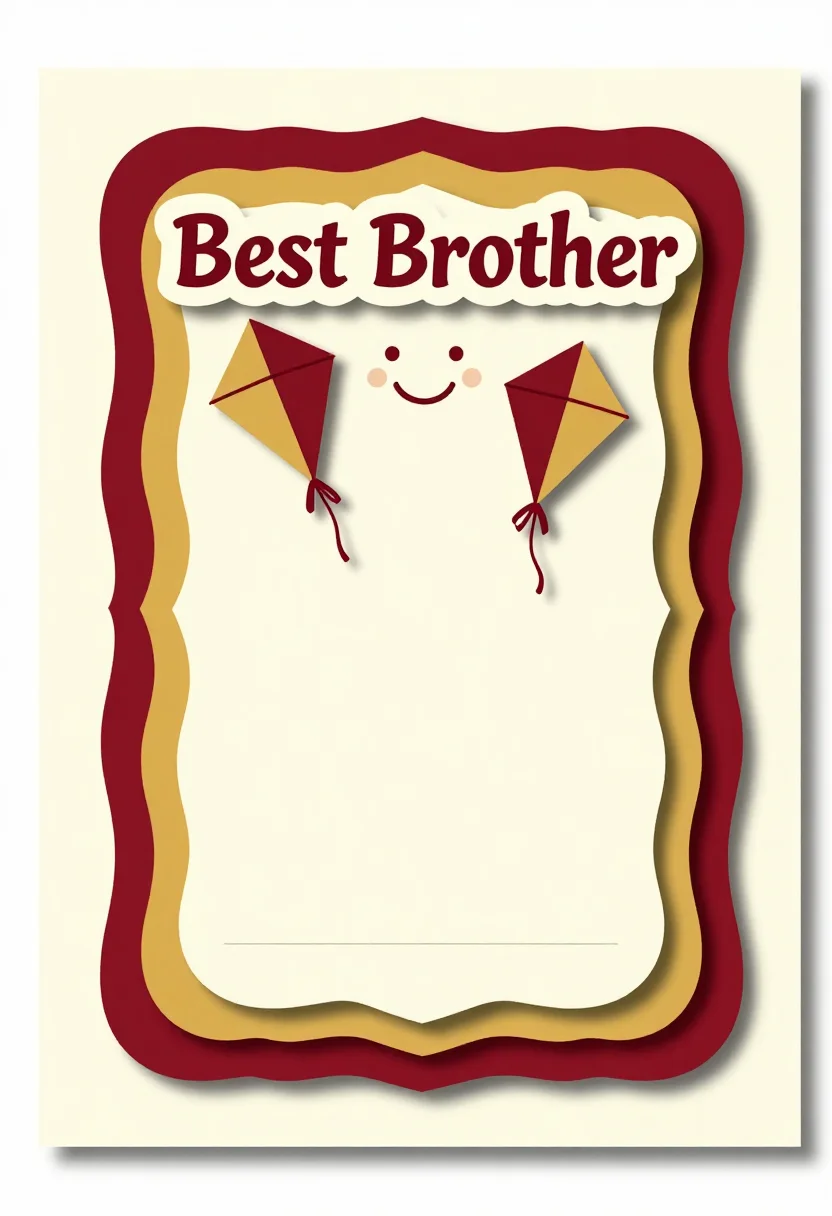
The card a sister gives her brother on Bhai Dooj, the last day of Diwali. The day is Bhau Beej in Maharashtra, Bhai Phonta in Bengal and Bhai Tika in Nepal. Each card has its greeting lettered exactly, such as Happy Bhai Dooj, Bhai Phonta or Best Brother, and a blank panel for a message. The styles are soft watercolour, flat colour and layered paper cut.
- a card from a sister to her brother
- a card for a little brother
- a Bhai Dooj greeting for a family
- a card with space for a handwritten message
Frequently asked questions
- What is the day called?
- Bhai Dooj in most places, Bhau Beej in Maharashtra, Bhai Phonta in Bengal and Bhai Tika in Nepal.
- Is there room for a message?
- Yes. Each card has a blank panel for a handwritten message.
- What is on the tilak thali card?
- A thali of roli and rice with a lit diya at the top, and an empty message panel below.
- Can I ask for a different greeting?
- Yes. The direction field takes a change such as Big brother, Blue or Twin kites. A direction you type is a request, not a promised result.
About toile
This page is a showcase and a starting point: nine samples already rendered, three readings of the pack crossed with three styles, each shown at the size and ratio it was made for. Take any of them further on the wall with a few words, or ask for all nine again under your own direction; a sign-in keeps what you make, and it is free while Toile is new. The recipe behind each sample — the subject, the style, the palette, the framing — travels with the image rather than staying private to the render: it is in the alt text of every sample and in the page's own structured data, so a search engine reads the same handles a person would.