/black-history-month · occasions
Black History Month printables: bulletin banner, biography frame, timeline

Make your ownBlack History Month printables
Describe yours. We'll remake the whole pack your way.
More like this
the whole catalog →
every sample — three subjects, three styles ↓
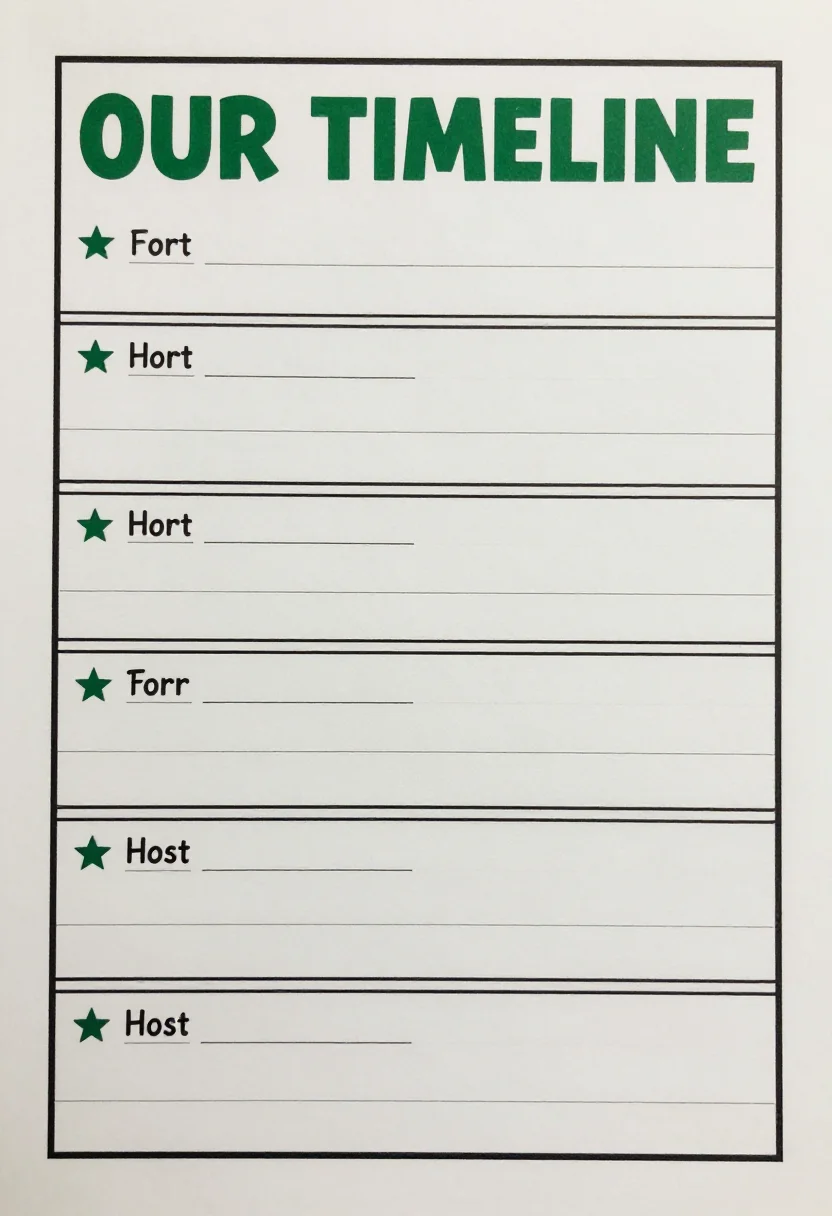
A bulletin-board banner in the pan-African colours, a biography frame with a blank portrait oval and lines, a timeline poster with blank markers — the February classroom set. These nine render each in bold, kente-patterned and minimal styles. No faces are drawn — every frame and marker is left blank for a student's own research and portrait.
- a classroom bulletin board
- a biography research project
- a history-timeline wall display
- a homeschool unit on Black history
- a library display board
Frequently asked questions
- What size do these print at?
- Each design is drawn at A4/US-Letter proportions with an even margin, so it prints clean at either size.
- Are the biography frames pre-filled with a specific person?
- No — the portrait oval and the lines are left blank so a student can research and add their own subject, from a photo, drawing, or written entry.
- What's the difference between the three styles?
- Bold uses the pan-African colour palette in flat blocks; kente-patterned borders the frame in a woven geometric pattern; minimal strips it back to clean lines for a plain classroom print.
- Can I get a different layout, like a report cover?
- Yes — the direction field takes any Black History Month subject, such as a report cover or a quote poster, and the same three styles render it.
About toile
This page is a showcase and a starting point: nine samples already rendered, three readings of the pack crossed with three styles, each shown at the size and ratio it was made for. Take any of them further on the wall with a few words, or ask for all nine again under your own direction; a sign-in keeps what you make, and it is free while Toile is new. The recipe behind each sample — the subject, the style, the palette, the framing — travels with the image rather than staying private to the render: it is in the alt text of every sample and in the page's own structured data, so a search engine reads the same handles a person would.