/book-report-templates · classroom
Book report templates: bookshelf, sandwich and puppet formats
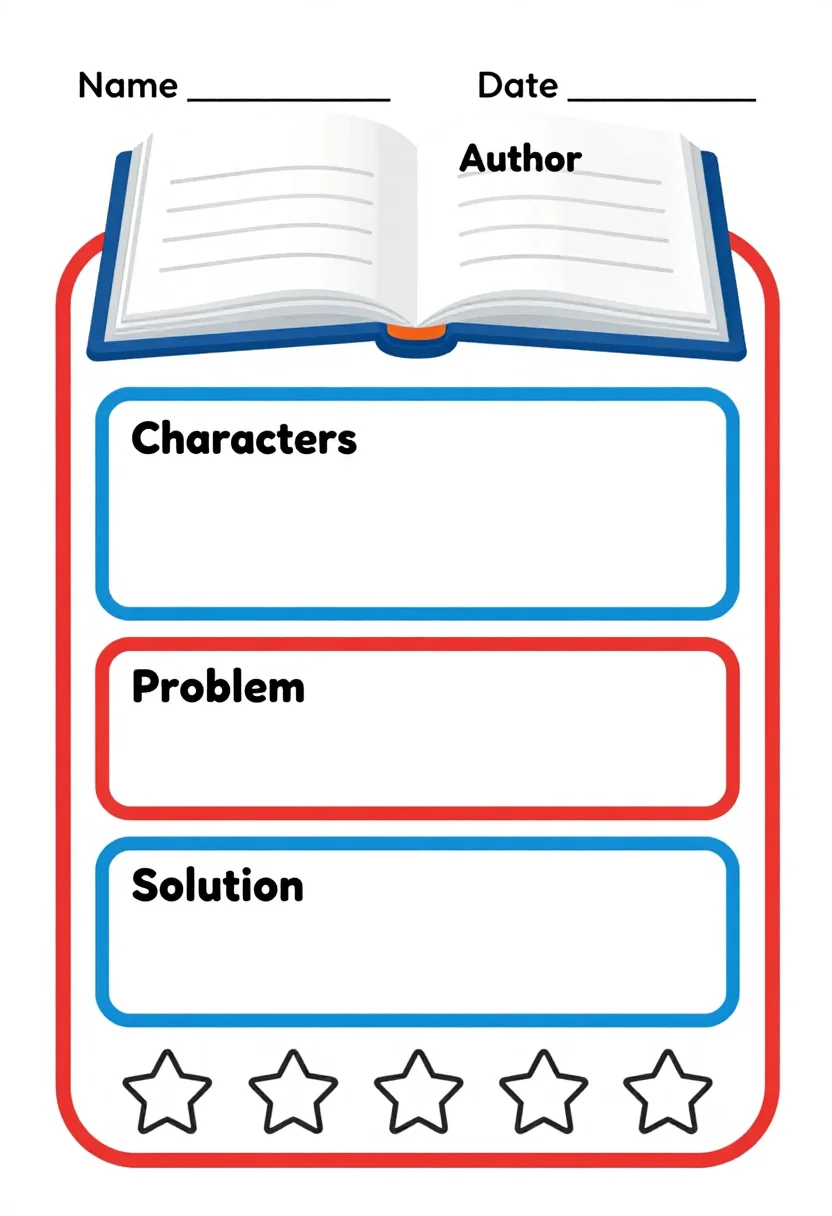
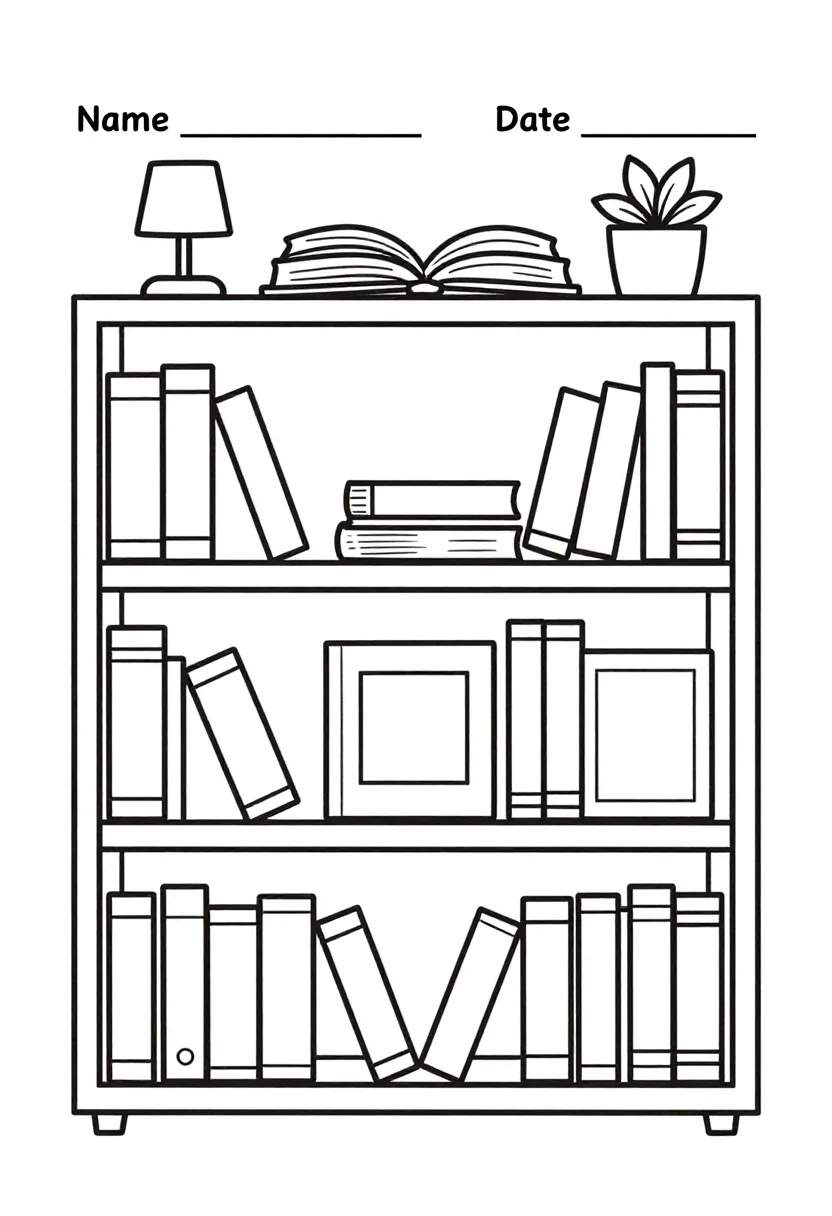
Make your ownBook reports
Describe yours. We'll remake the whole pack your way.
More like this
the whole catalog →
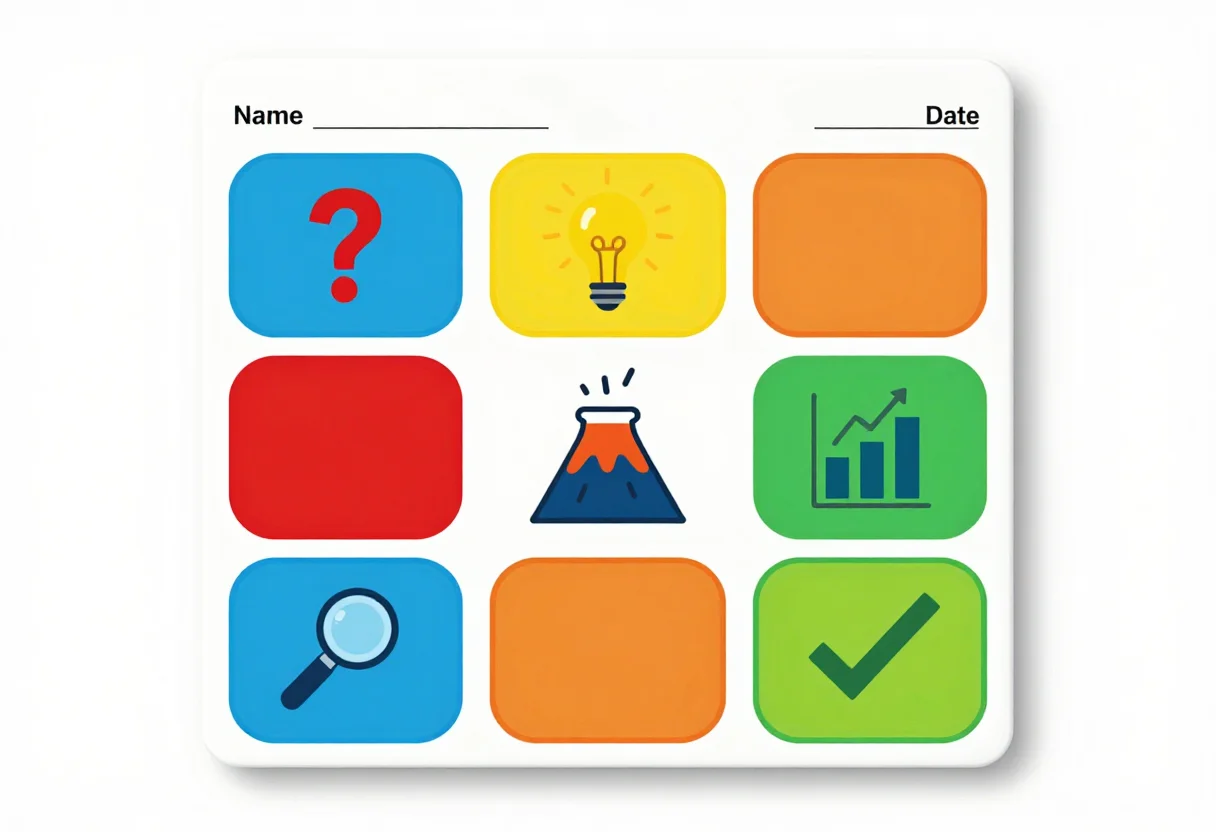
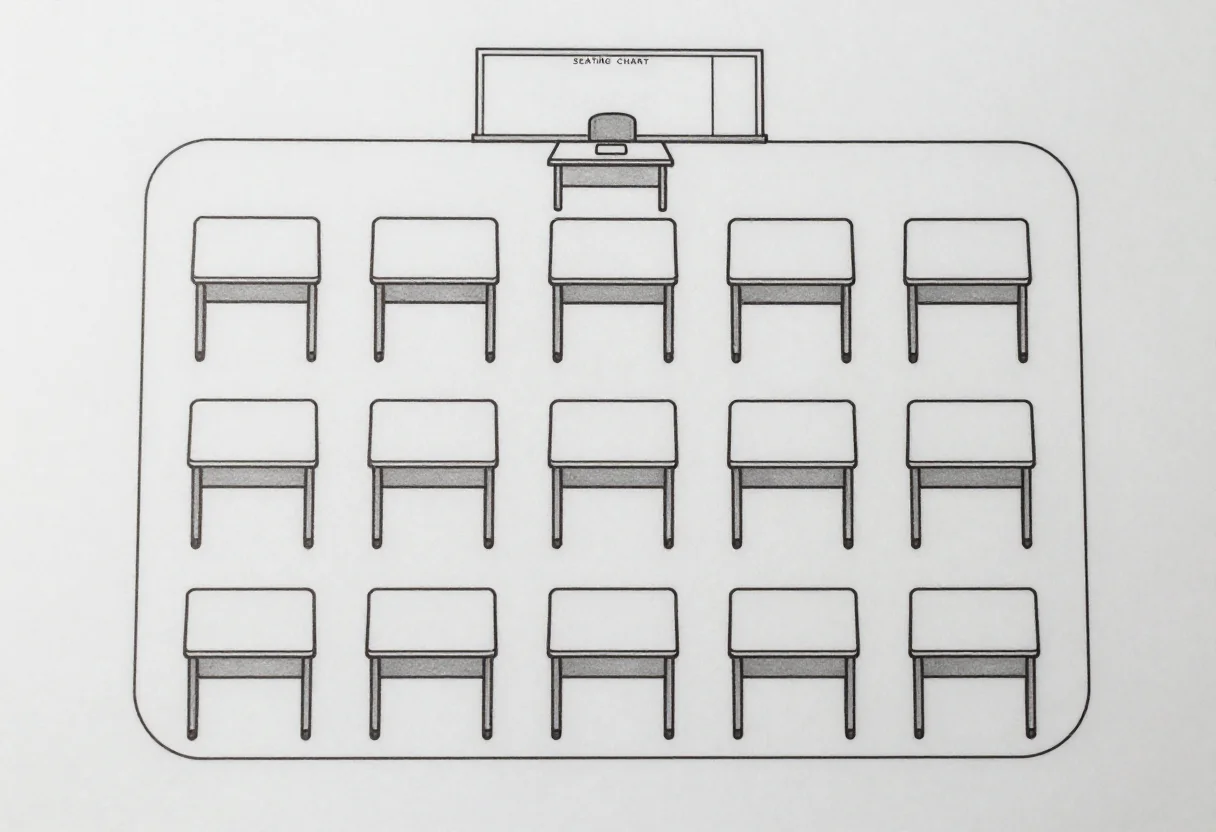
every sample — three subjects, three styles ↓
Title, author, characters, setting, favourite part: the book report has had the same boxes for eighty years. What changes is the frame — a drawn bookshelf, a sandwich, a paper-bag puppet. These nine cover the three formats with every text field left blank, so any book slots in. Type a different frame idea and it redraws.
- a book report worksheet for a reading unit
- a reading log printable for independent reading
- a fun alternative book report format
- a bulletin board display for finished books
- a homework template for a book project
Frequently asked questions
- Are the title, author and character boxes already filled in?
- No — every text field is blank. Students write in their own book's details; the template supplies the frame and the drawing.
- What's the difference between the bookshelf, sandwich, and puppet formats?
- Same content boxes (title, author, characters, setting, favourite part), three different drawn frames — a bookshelf display, a book-report sandwich, and a paper-bag puppet layout kids can cut and fold.
- Is this the same as a reading log?
- A reading log tracks books read over time; a book report template goes deeper on one book with structured sections — this pack covers the report format, not a running log.
- Can I request a different frame style?
- Yes — type a different idea through the direction field and the frame redraws while keeping the same report boxes.
About toile
This page is a showcase and a starting point: nine samples already rendered, three readings of the pack crossed with three styles, each shown at the size and ratio it was made for. Take any of them further on the wall with a few words, or ask for all nine again under your own direction; a sign-in keeps what you make, and it is free while Toile is new. The recipe behind each sample — the subject, the style, the palette, the framing — travels with the image rather than staying private to the render: it is in the alt text of every sample and in the page's own structured data, so a search engine reads the same handles a person would.