/botanical-repeats · pattern
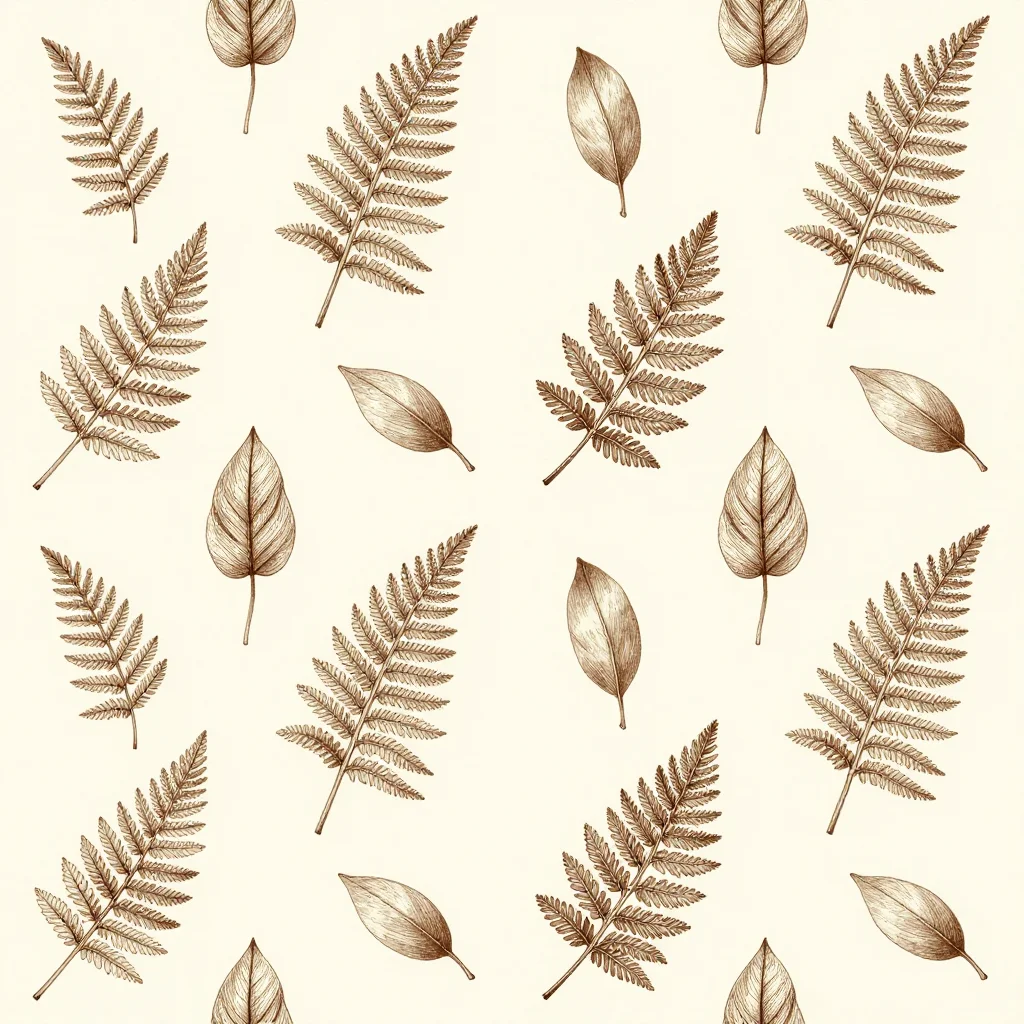
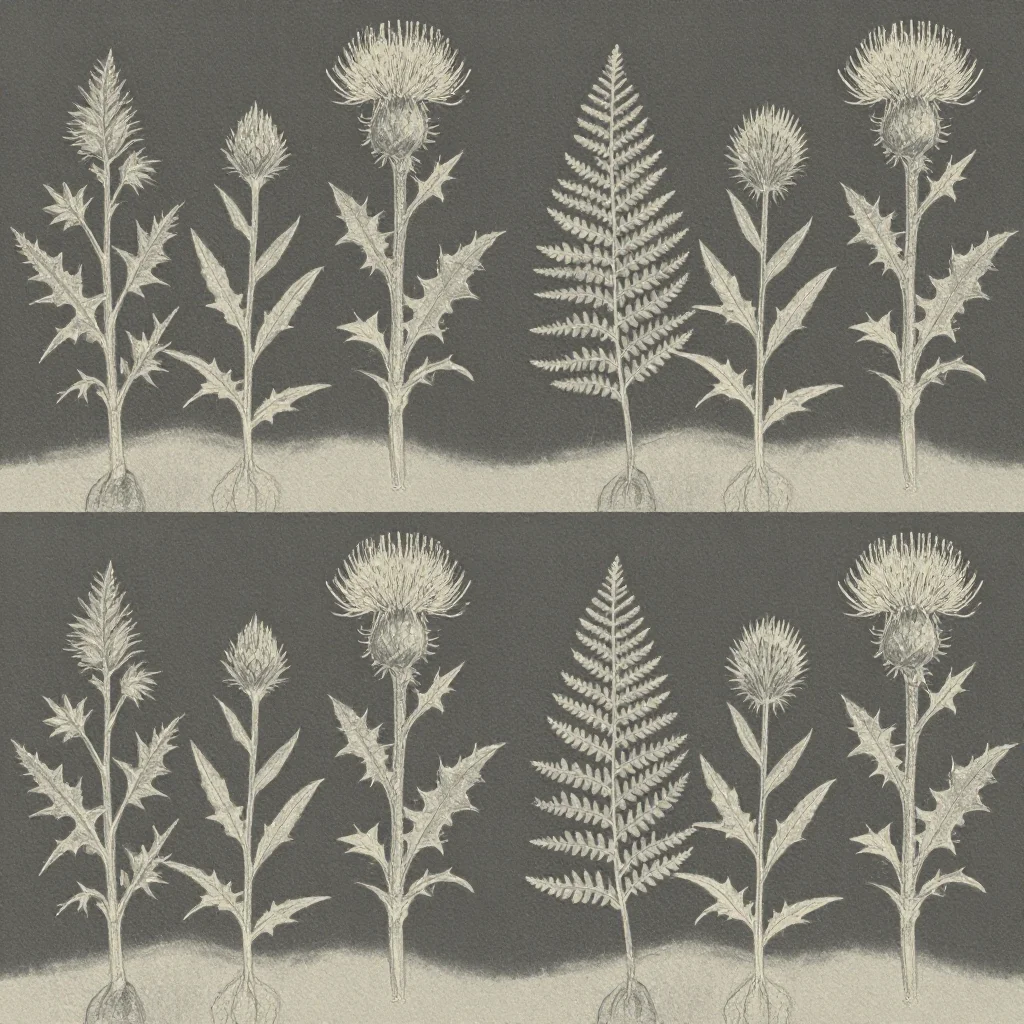
Botanical repeat: fern, eucalyptus, thistle plates
Make your ownBotanical repeats
Describe yours. We'll remake the whole pack your way.
More like this
the whole catalog →
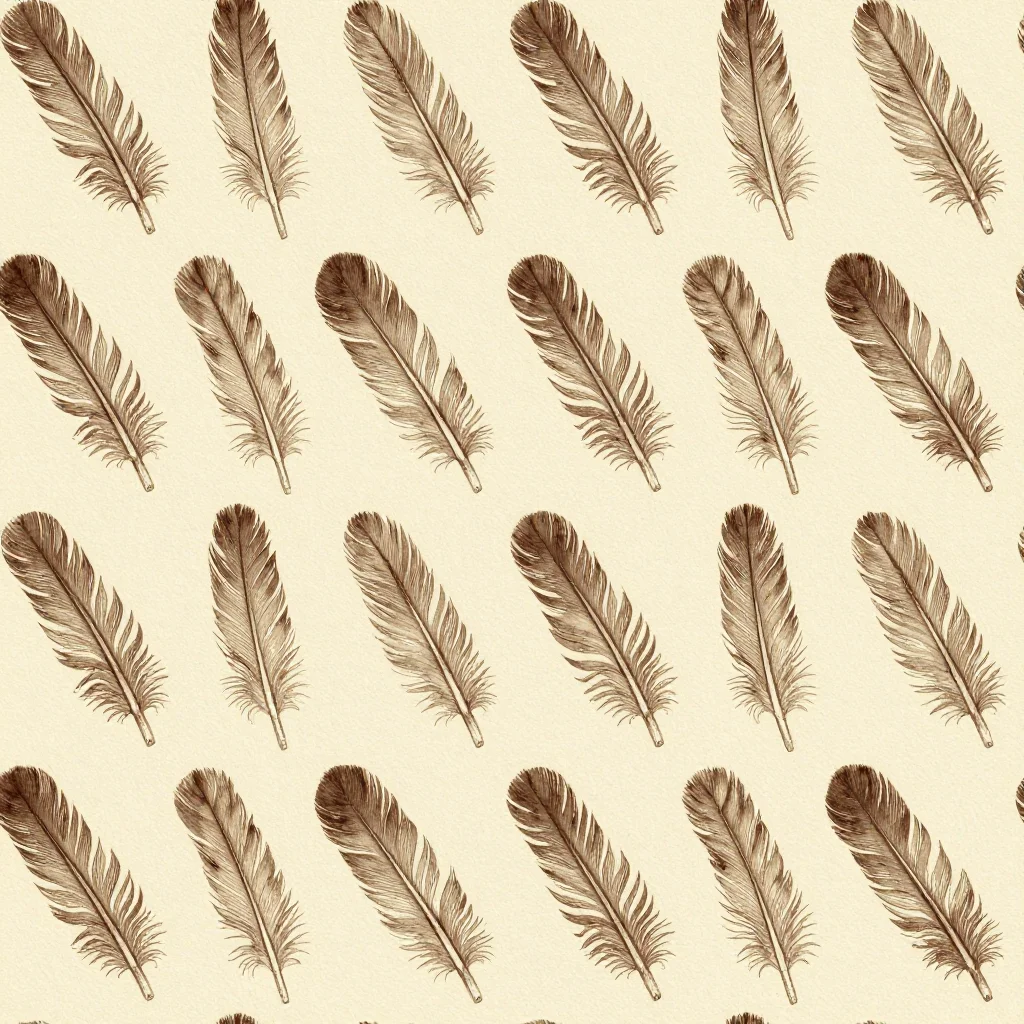
every sample — three subjects, three styles ↓
The botanical repeat borrows the plate from a herbarium: one species drawn accurately, its parts intact — stem, leaf, seed head — set into a repeat that only works if a gardener would recognise the plant. These nine render fern, eucalyptus and thistle across three arrangements. Ask for a different species, like sage, and the same three arrangements carry it.
- a botanical print for framing
- a greetings card or notecard
- a fabric or wallpaper swatch
- a kitchen tea towel print
- a nature-study classroom handout
Frequently asked questions
- What size and format do these print at?
- Each pattern is drawn at A3 proportions with an even margin and repeats seamlessly, so it prints clean at A3, scales to A4, or tiles as a fabric repeat.
- Can I get a different plant, like sage?
- Yes — the direction field takes any single species, and the same three arrangements render it.
- What's the difference between the three arrangements?
- One spaces single stems evenly across the ground, one clusters stems into loose bundles, and one runs the stems as a continuous trailing line — all keeping the same botanically accurate drawing of the plant.
- Is this a real botanical illustration style?
- It draws on the herbarium-plate tradition of accurate scientific plant illustration as a style reference, not a reproduction of any named botanical illustrator's published plate.
About toile
This page is a showcase and a starting point: nine samples already rendered, three readings of the pack crossed with three styles, each shown at the size and ratio it was made for. Take any of them further on the wall with a few words, or ask for all nine again under your own direction; a sign-in keeps what you make, and it is free while Toile is new. The recipe behind each sample — the subject, the style, the palette, the framing — travels with the image rather than staying private to the render: it is in the alt text of every sample and in the page's own structured data, so a search engine reads the same handles a person would.