/bridal-mehndi · tattoo
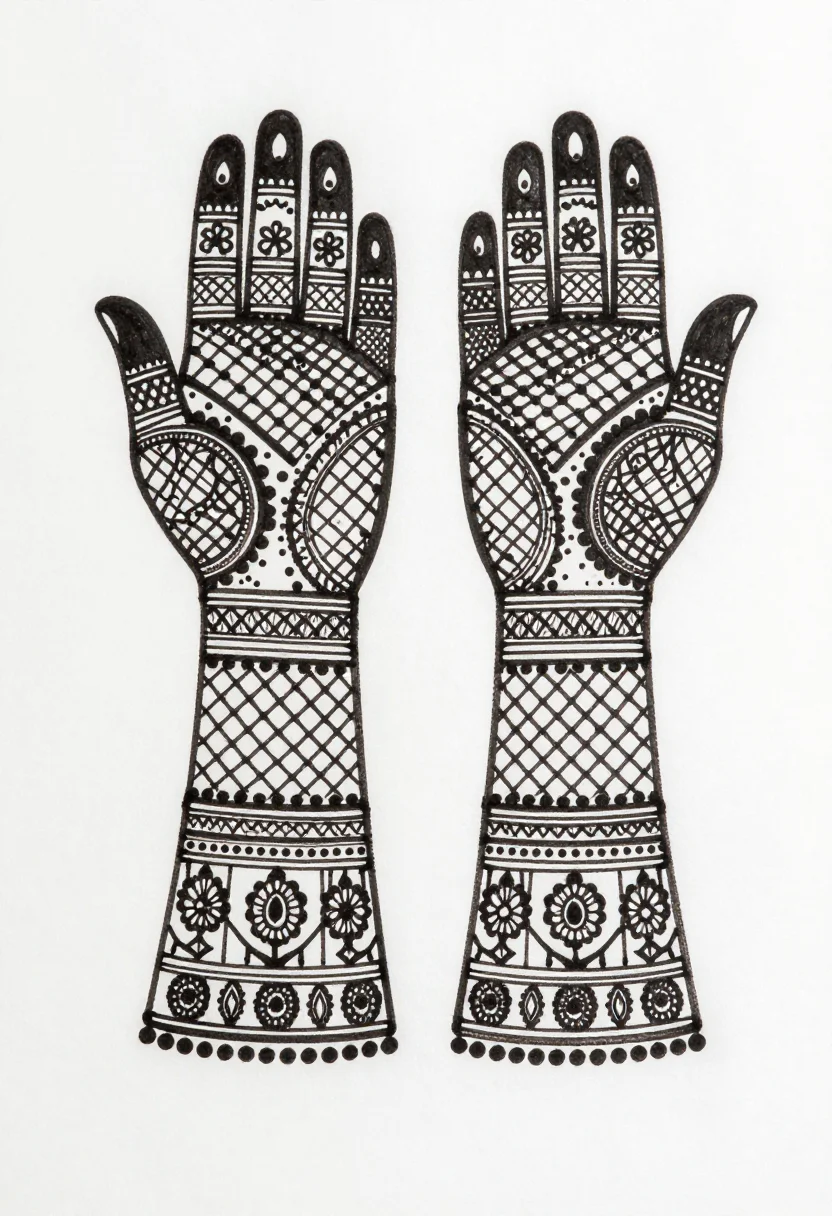
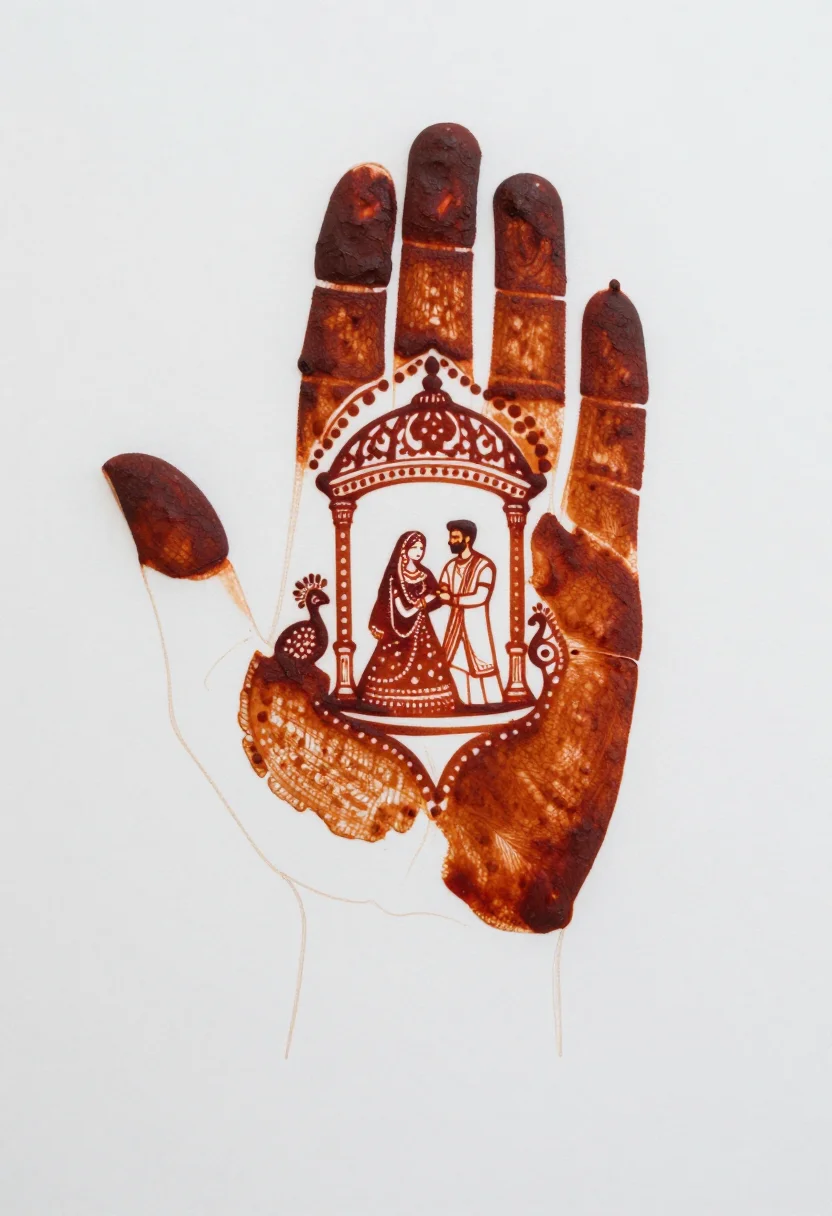
Bridal mehndi design: hands and arms, feet and ankles, and a palm centrepiece
Make your ownBridal mehndi
Describe yours. We'll remake the whole pack your way.
More like this
the whole catalog →
every sample — three subjects, three styles ↓
Bridal mehndi is the full coverage drawn as reference: hands to the elbow, feet to mid-calf, a palm centrepiece. These nine cover mirrored hands and arms, mirrored feet and ankles, and a bride-and-groom palm design, each drawn dense, with open space, and in henna red. Ask for a different placement in the same three treatments.
- a reference sheet for a bridal mehndi artist
- a planning card for the night-before design
- a print to compare dense and open coverage
- a study sheet for a mehndi apprentice
Frequently asked questions
- What size do these print at?
- Portrait A4 proportions with a white margin, sized to plan coverage before the artist begins.
- Is this an actual bridal application?
- No — it's a flat reference drawing, not a photograph of an applied pattern. The limbs are outlines, not skin.
- Can I hide initials or a name in the pattern?
- Yes — that's what the direction field is for. Type what to hide and the design is redrawn with it worked in.
- What's the difference between dense and open coverage?
- Dense closes every remaining gap with checkerboard and netting fills; open space sets bold motifs apart so the pattern reads from across a room — two coverage choices a bride actually picks between.
About toile
This page is a showcase and a starting point: nine samples already rendered, three readings of the pack crossed with three styles, each shown at the size and ratio it was made for. Take any of them further on the wall with a few words, or ask for all nine again under your own direction; a sign-in keeps what you make, and it is free while Toile is new. The recipe behind each sample — the subject, the style, the palette, the framing — travels with the image rather than staying private to the render: it is in the alt text of every sample and in the page's own structured data, so a search engine reads the same handles a person would.