/cake-pan-size-charts · bakery
Cake pan size charts: pan volumes, round to square, servings per tier
Make your ownCake pan size charts
Describe yours. We'll remake the whole pack your way.
More like this
the whole catalog →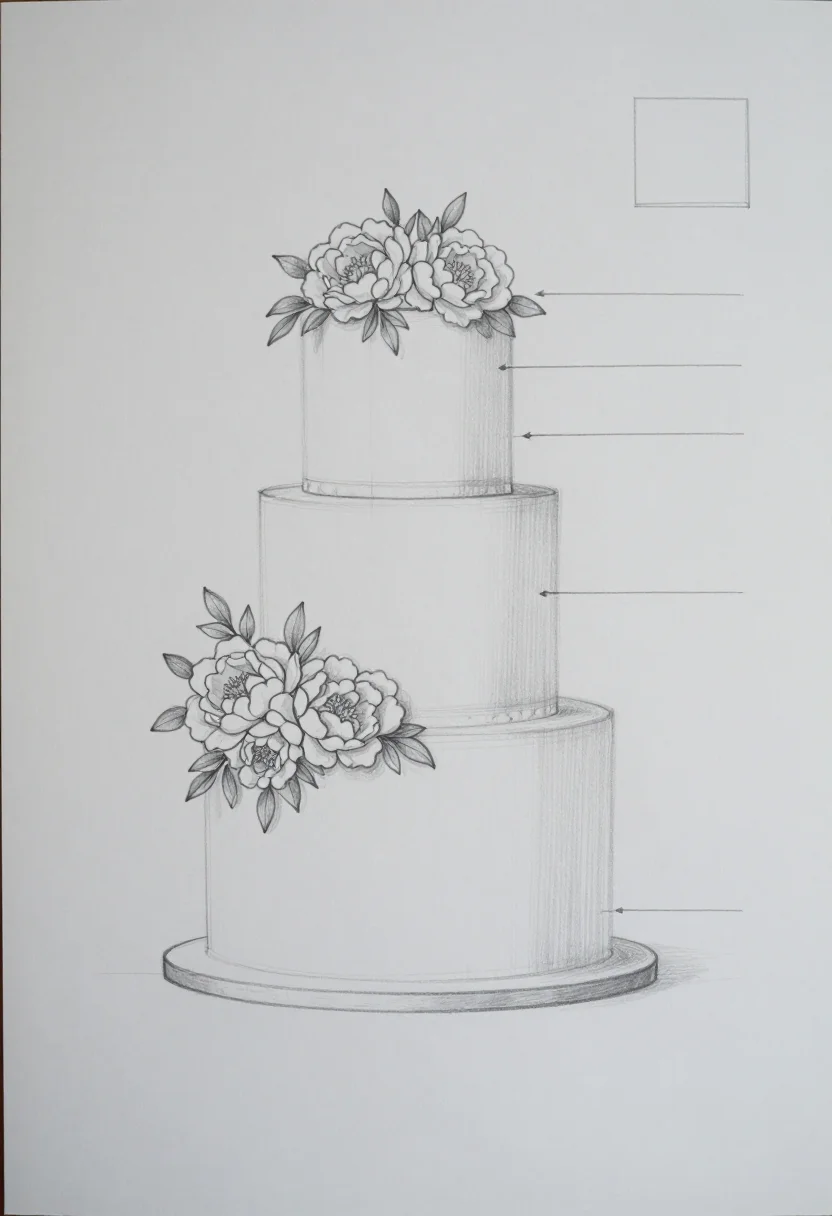
every sample — three subjects, three styles ↓
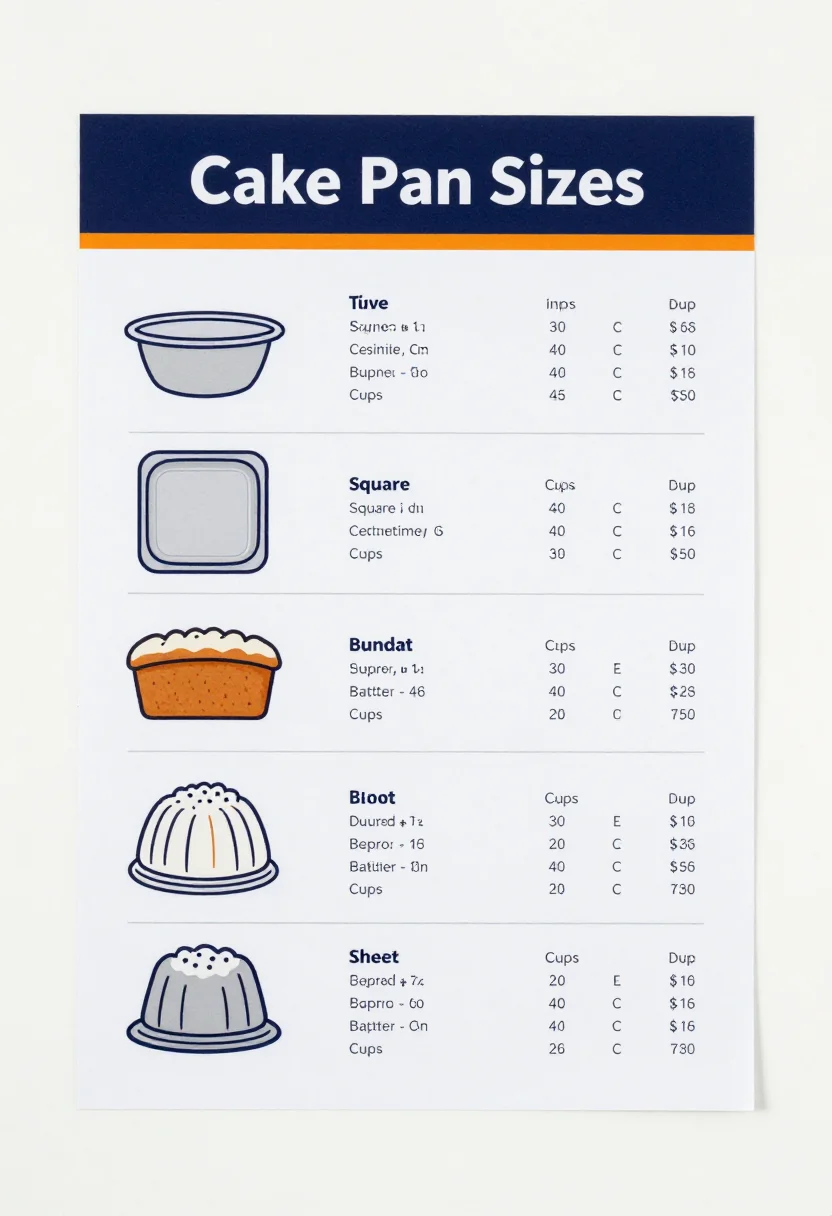
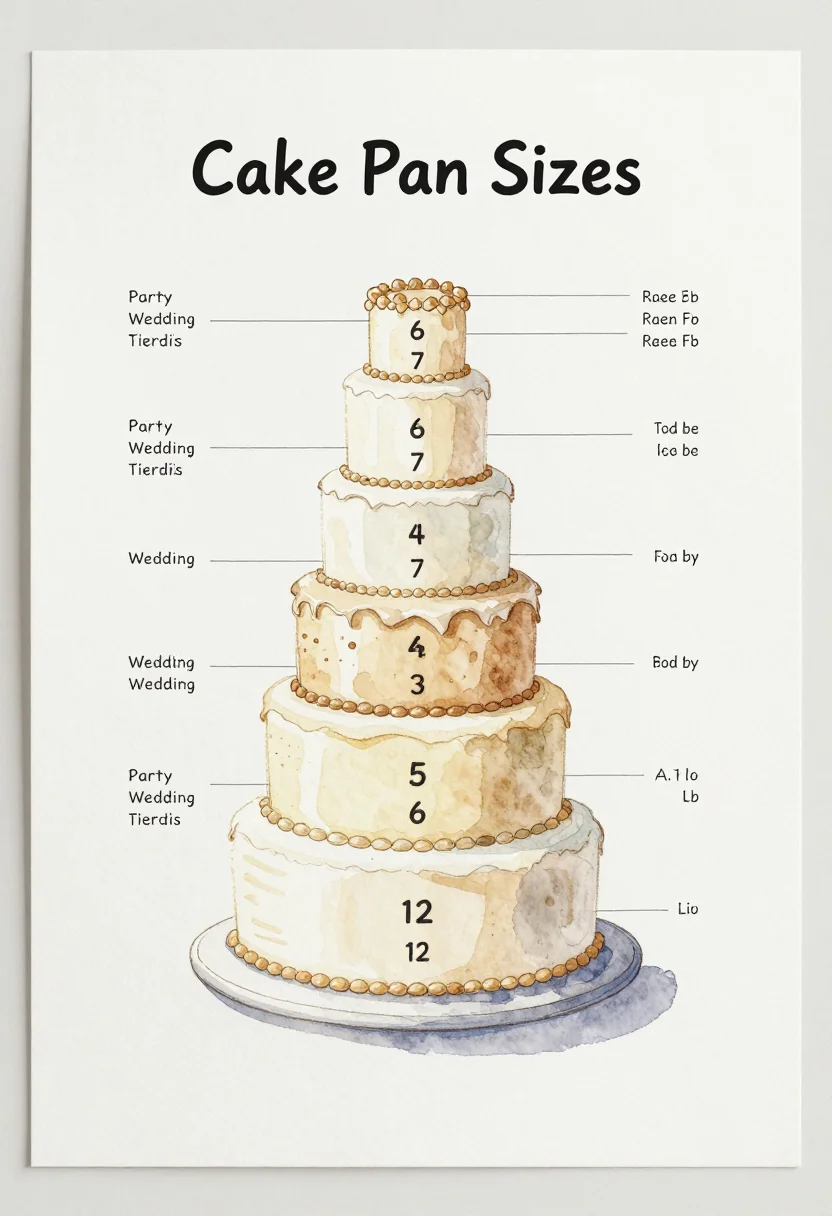
Cake pan size charts for a baker who needs to swap one tin for another or scale a recipe. The pictures draw round, square, loaf, bundt and sheet pans from above, with the cups of batter each holds. A conversion table pairs round and square tins, an 8 inch round with a 7 inch square, and a servings chart gives the count per tier. Type cupcakes or wedding cake as the direction and the same styles carry it.
- a baking shelf by the oven
- a cake order planning sheet
- a bakery workstation
- a recipe card for a scaled bake
Frequently asked questions
- How do I swap a round tin for a square one?
- The conversion table pairs them: an 8 inch round with a 7 inch square, a 9 inch round with an 8 inch square, and a 10 inch round with a 9 inch square.
- How many people does a cake serve?
- The servings chart gives party and wedding servings for round tiers from 6 to 12 inches.
- Are the batter volumes exact?
- Each pan shows the cups of batter it holds. Fill levels differ by recipe, so check the batter against your own pan.
- Can I ask for a different tin?
- Yes. Type it as a direction, such as loaf tins. It is a request, not a promised result.
About toile
This page is a showcase and a starting point: nine samples already rendered, three readings of the pack crossed with three styles, each shown at the size and ratio it was made for. Take any of them further on the wall with a few words, or ask for all nine again under your own direction; a sign-in keeps what you make, and it is free while Toile is new. The recipe behind each sample — the subject, the style, the palette, the framing — travels with the image rather than staying private to the render: it is in the alt text of every sample and in the page's own structured data, so a search engine reads the same handles a person would.