/calligraphy-alphabets · illustration
Calligraphy alphabet: capitals, lowercase and drills in three hands
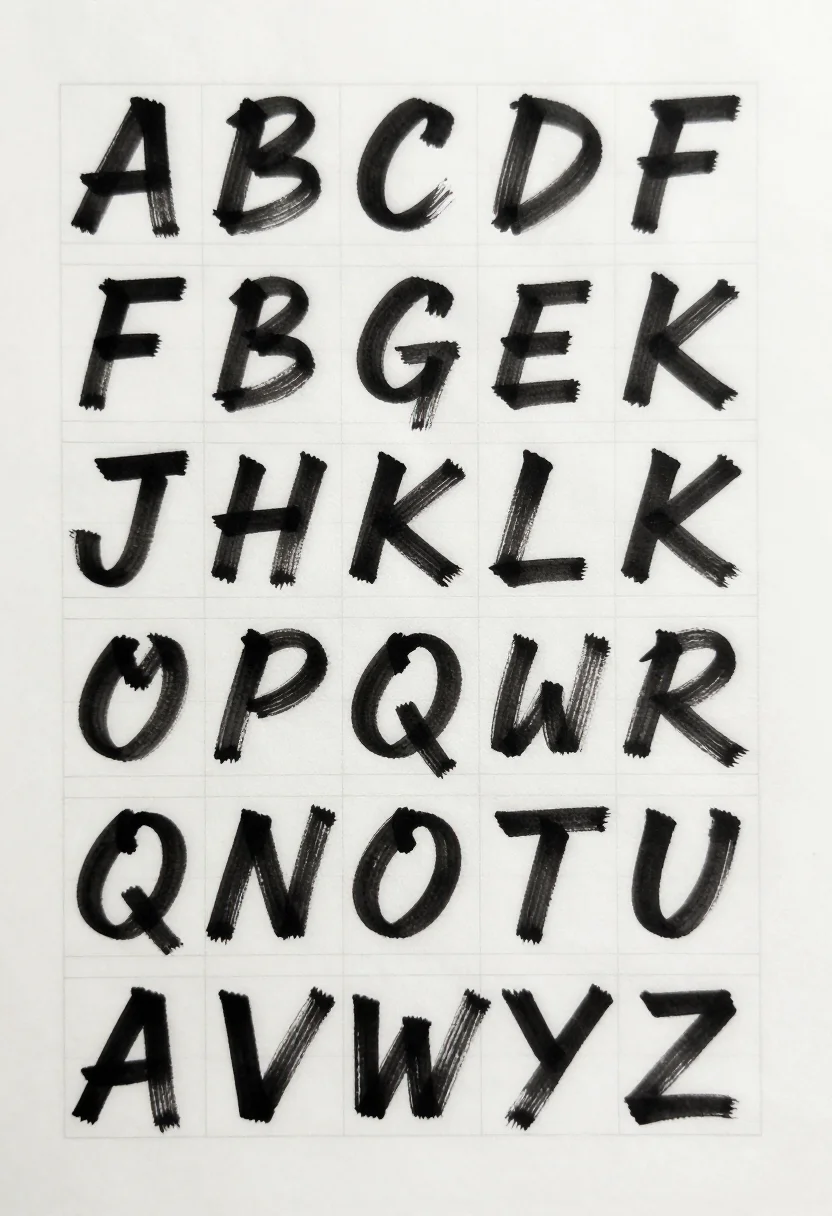
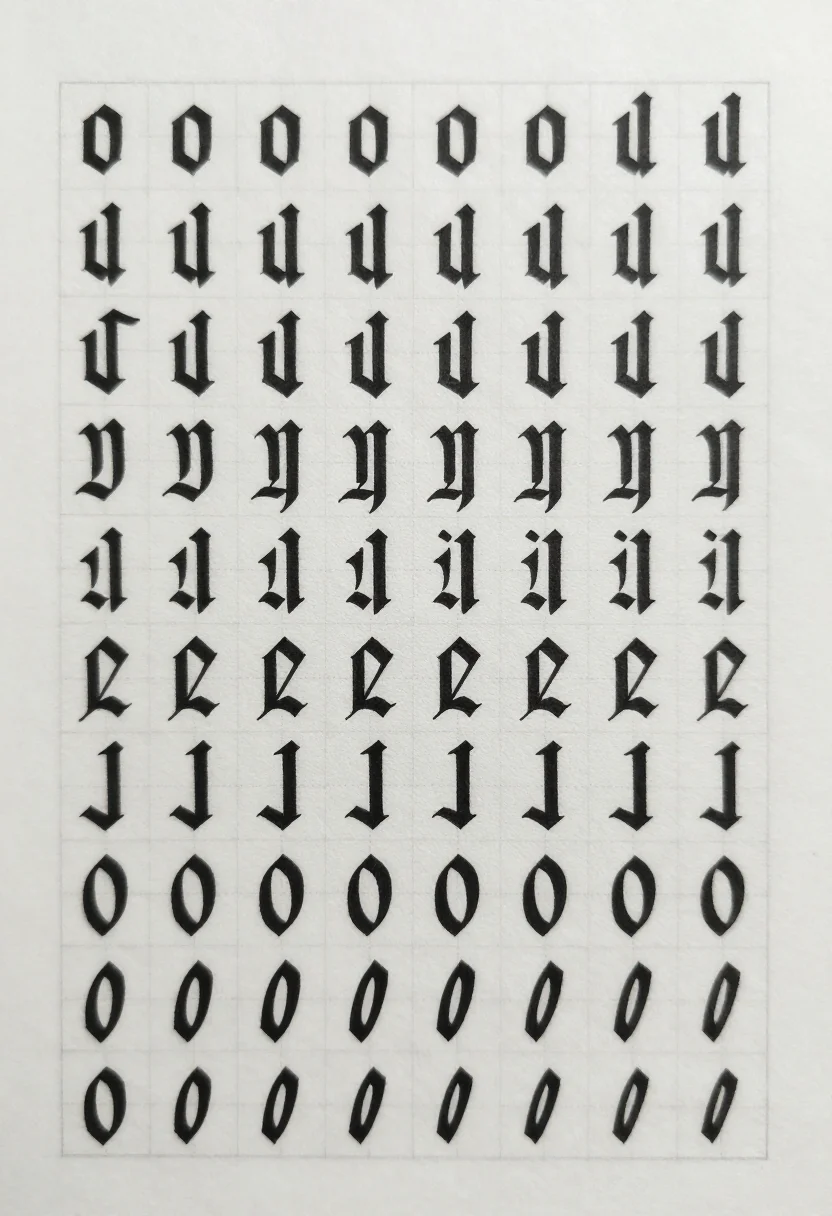
Make your ownCalligraphy alphabets
Describe yours. We'll remake the whole pack your way.
More like this
the whole catalog →
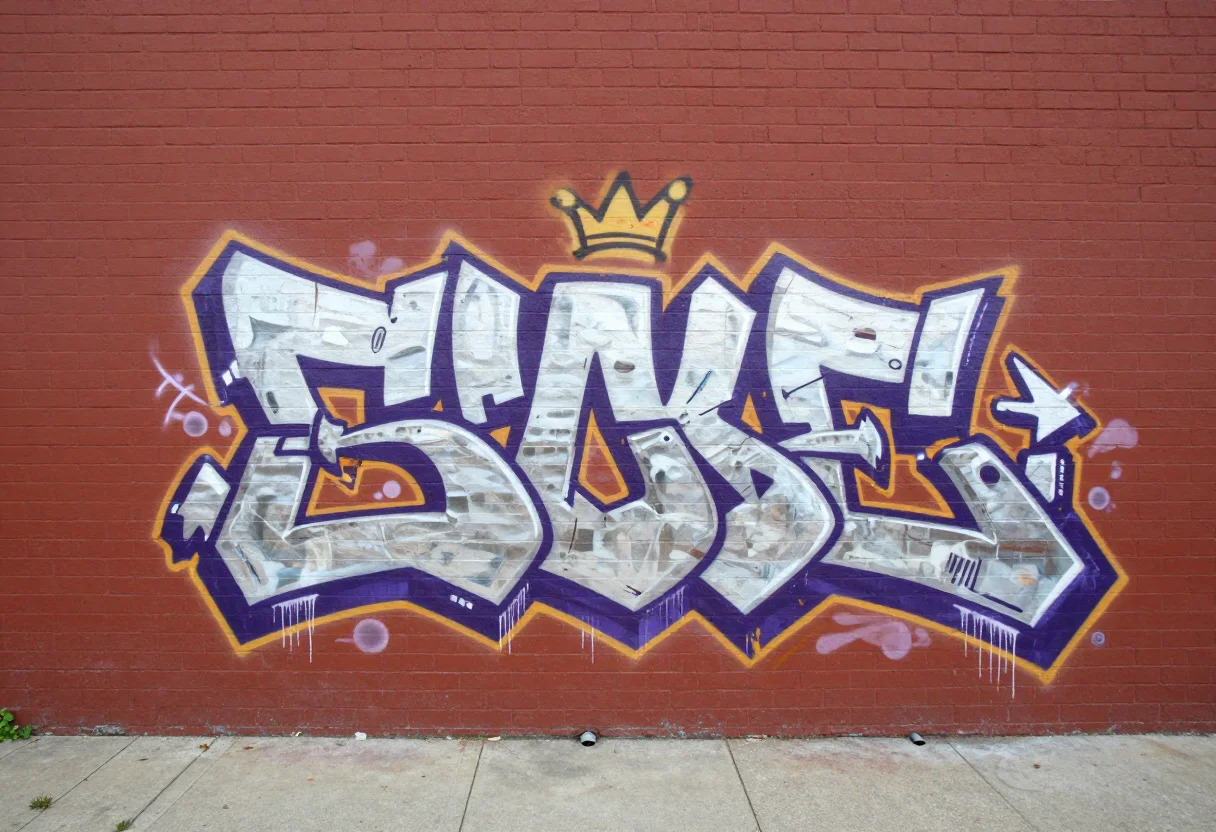
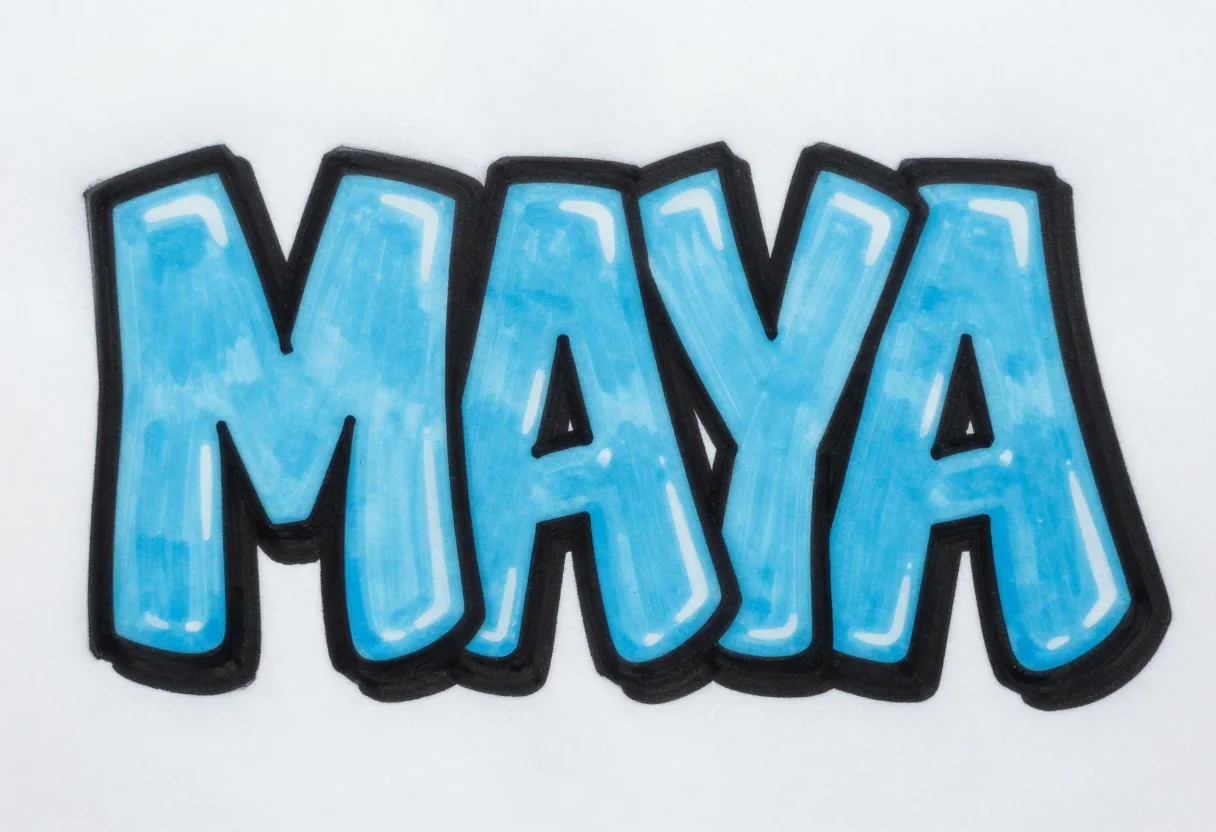

every sample — three subjects, three styles ↓
A calligraphy alphabet is the practice sheet a beginner copies: rows of letters with faint guide lines. These nine lay out the capitals, the lowercase alphabet and basic stroke drills, each in modern brush script, copperplate and gothic blackletter. Ask for a single large letter or a quote instead and the same three hands write it.
- a practice sheet for learning a new hand
- a reference for hand-lettered invitations
- a classroom handwriting exemplar
- a warm-up drill sheet before a project
Frequently asked questions
- What size do these print at?
- Each sheet is drawn portrait at 832×1216 with guide lines ruled across it, so it prints clean on standard letter or A4 paper.
- Do the guide lines actually help with practice?
- Yes — the faint ruled lines are part of the drawing, giving a baseline and slant to trace or copy against.
- Can I get just one letter, large?
- Yes — that is what the direction field is for. Ask for a single letter at large size and the sheet is drawn again in the same hand.
About toile
This page is a showcase and a starting point: nine samples already rendered, three readings of the pack crossed with three styles, each shown at the size and ratio it was made for. Take any of them further on the wall with a few words, or ask for all nine again under your own direction; a sign-in keeps what you make, and it is free while Toile is new. The recipe behind each sample — the subject, the style, the palette, the framing — travels with the image rather than staying private to the render: it is in the alt text of every sample and in the page's own structured data, so a search engine reads the same handles a person would.