/calligraphy-practice-sheets · illustration
Calligraphy practice sheets: italic, Copperplate and warm-up drills
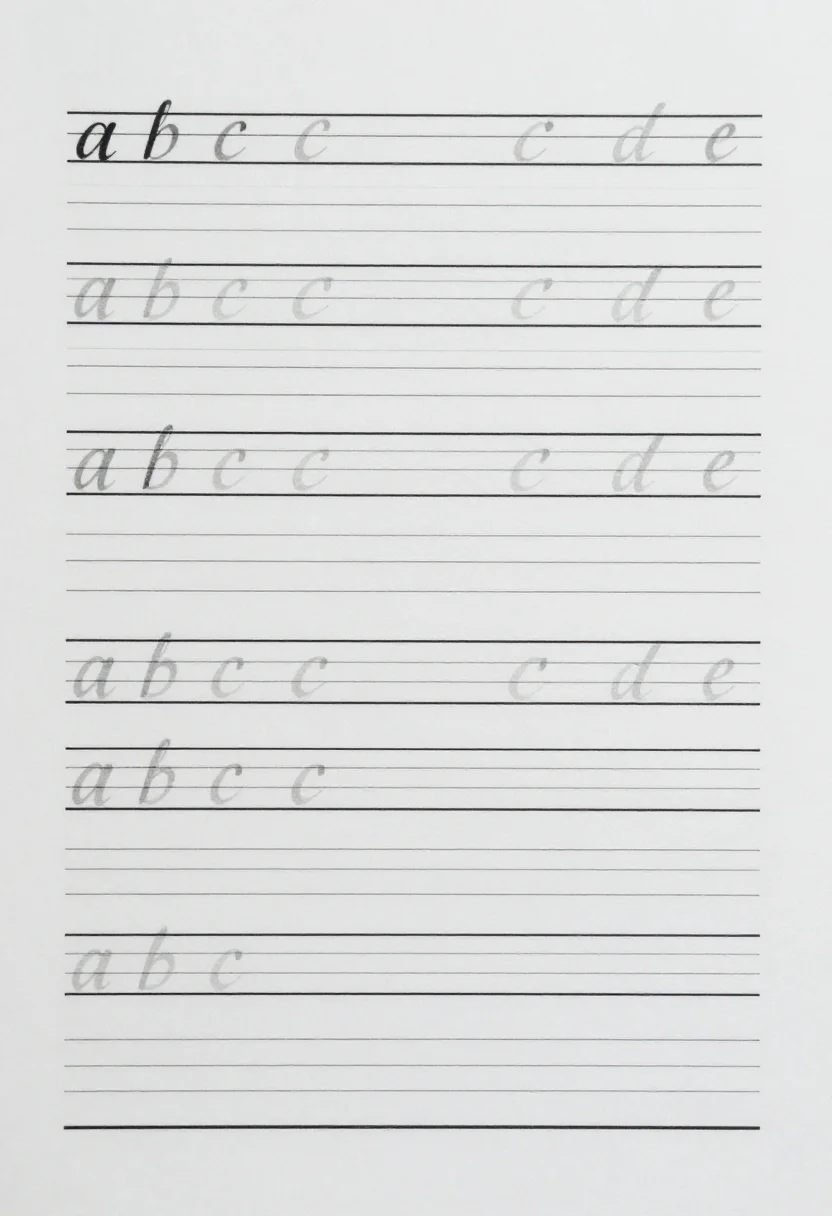
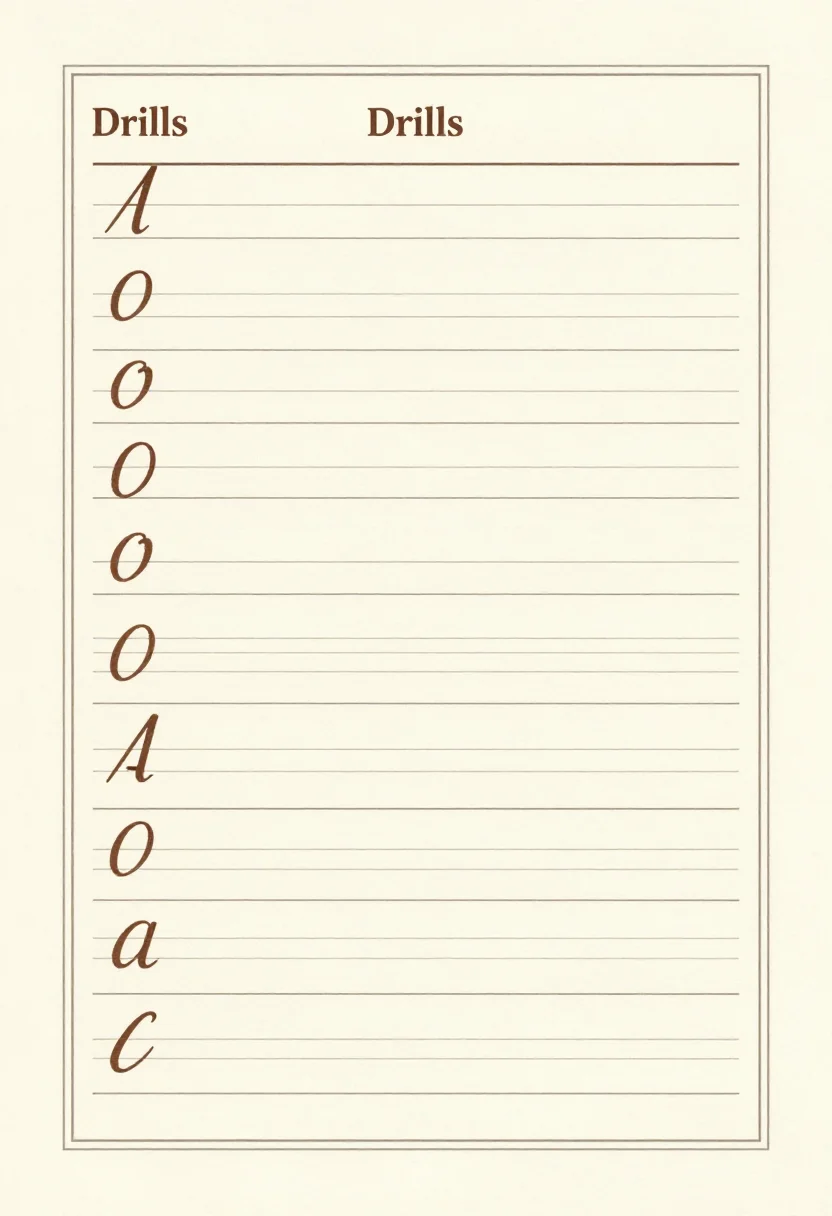
Make your ownCalligraphy practice sheets
Describe yours. We'll remake the whole pack your way.
More like this
the whole catalog →
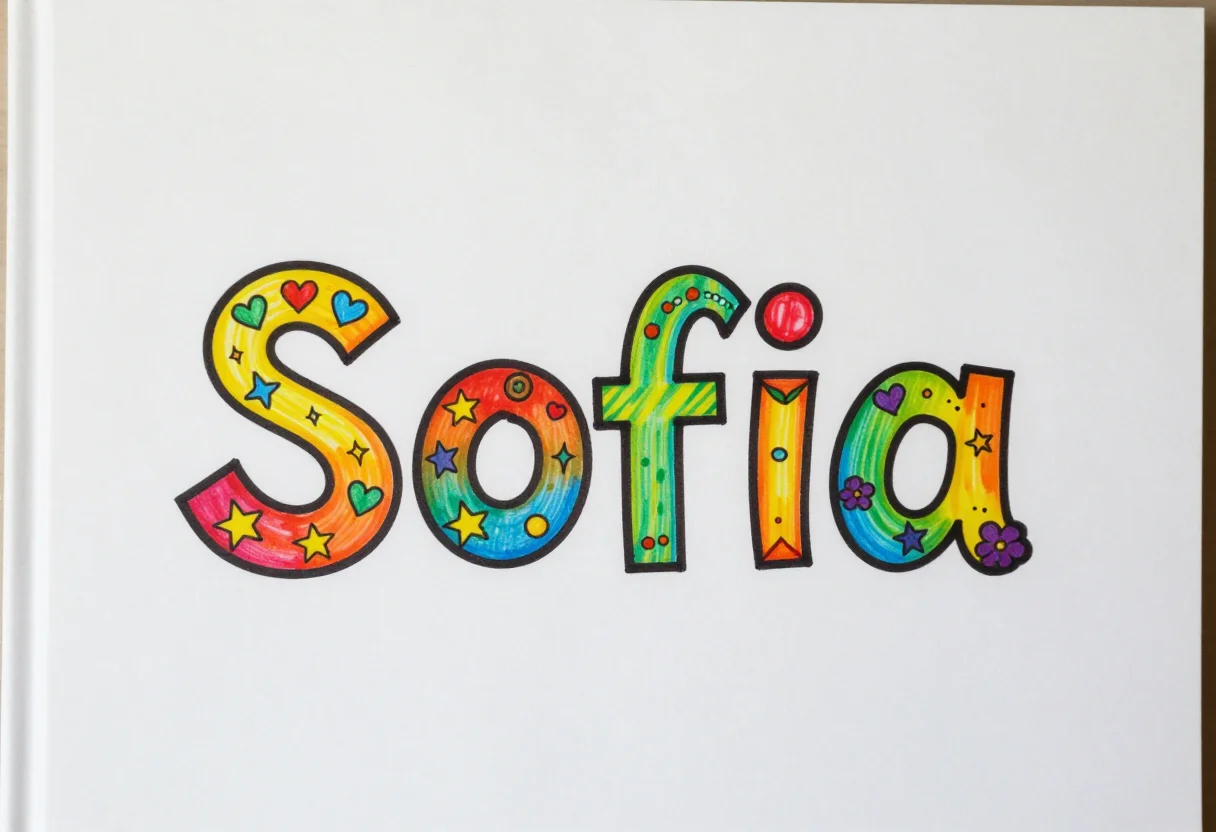
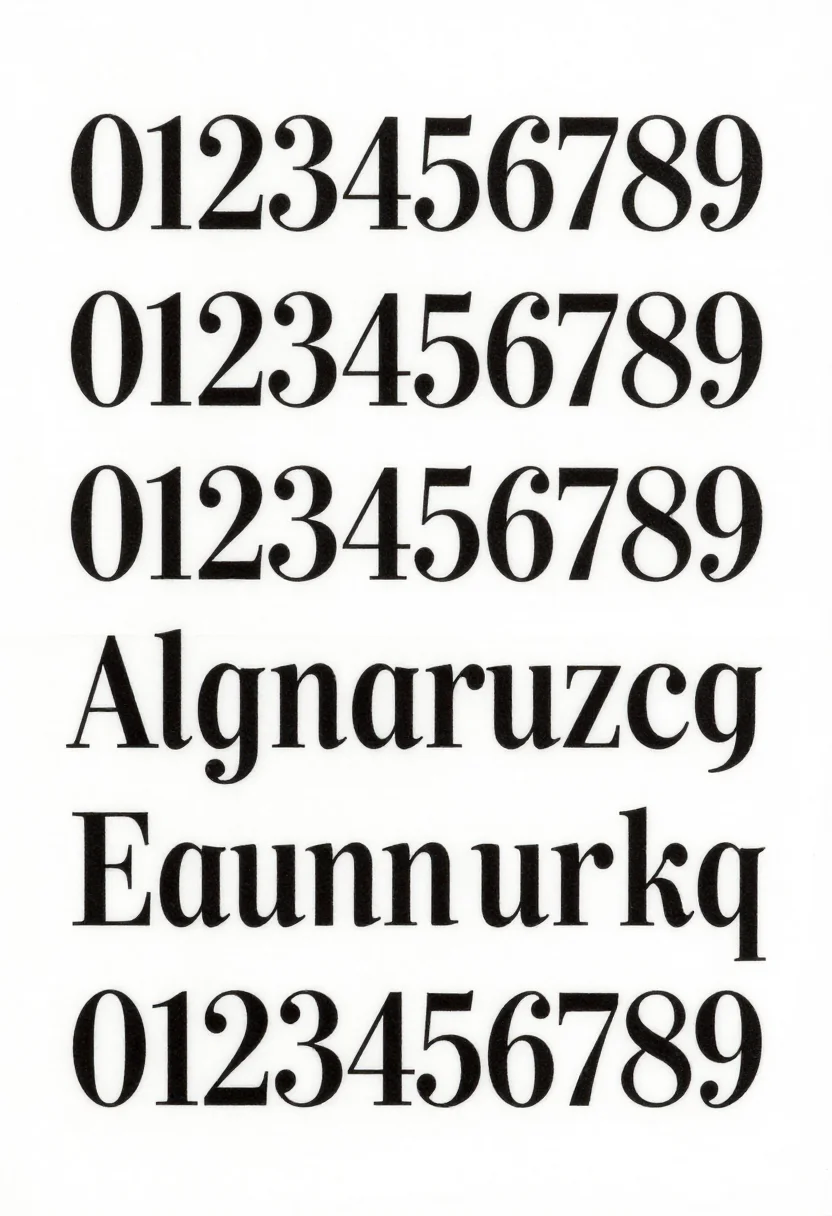
every sample — three subjects, three styles ↓
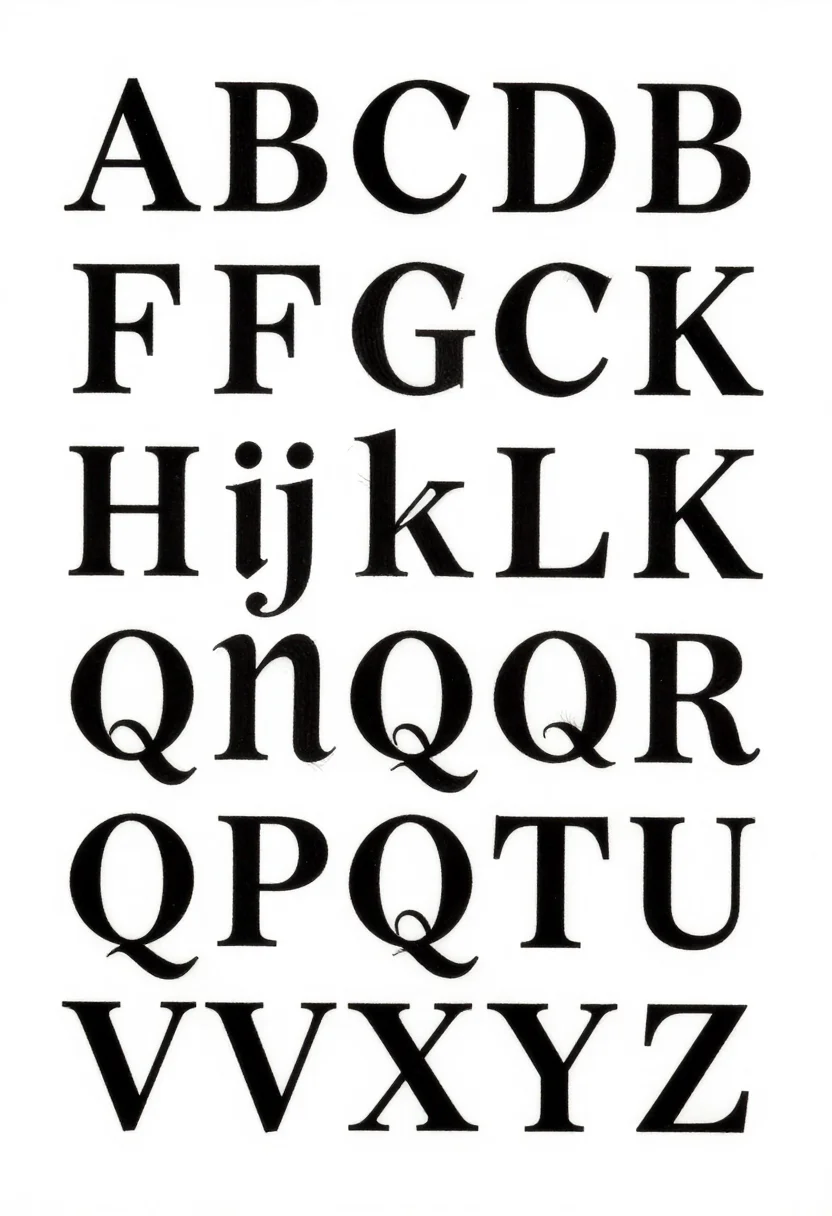
Calligraphy practice sheets are printable worksheets for learning calligraphy with a broad-edge or pointed pen. The nine sheets give guidelines at the right height and slant, a model letter at the start of each row, and blank rows to repeat it. There are italic, Copperplate and warm-up drill pages, each in classic black, blue guides or cream parchment. Ask for left-handed practice, a gothic hand or sheets for kids and the guides are set for that use.
- a worksheet for a new calligrapher
- a warm-up before writing cards or envelopes
- a classroom lesson on slant
- a printed guide to keep by the desk
Frequently asked questions
- Which pen are these for?
- They are made for a broad-edge or pointed pen.
- What is the difference between the three paper styles?
- Classic black has black guidelines and pale grey model letters. Blue guides uses pale blue guidelines. Cream parchment has sepia guidelines and brown model letters on warm paper.
- What are the warm-up drills?
- Rows of straight downstrokes, ovals, under-turns and over-turns, each row starting with one drill and blank space after its model.
- Can I print them at home?
- Yes. The sheets are set up as printable pages with a clear margin on every side.
About toile
This page is a showcase and a starting point: nine samples already rendered, three readings of the pack crossed with three styles, each shown at the size and ratio it was made for. Take any of them further on the wall with a few words, or ask for all nine again under your own direction; a sign-in keeps what you make, and it is free while Toile is new. The recipe behind each sample — the subject, the style, the palette, the framing — travels with the image rather than staying private to the render: it is in the alt text of every sample and in the page's own structured data, so a search engine reads the same handles a person would.