/carnival-face-paint-designs · season
Carnival face paint designs: painted mask, butterfly, harlequin
Make your ownCarnival face paint designs
Describe yours. We'll remake the whole pack your way.
More like this
the whole catalog →
every sample — three subjects, three styles ↓
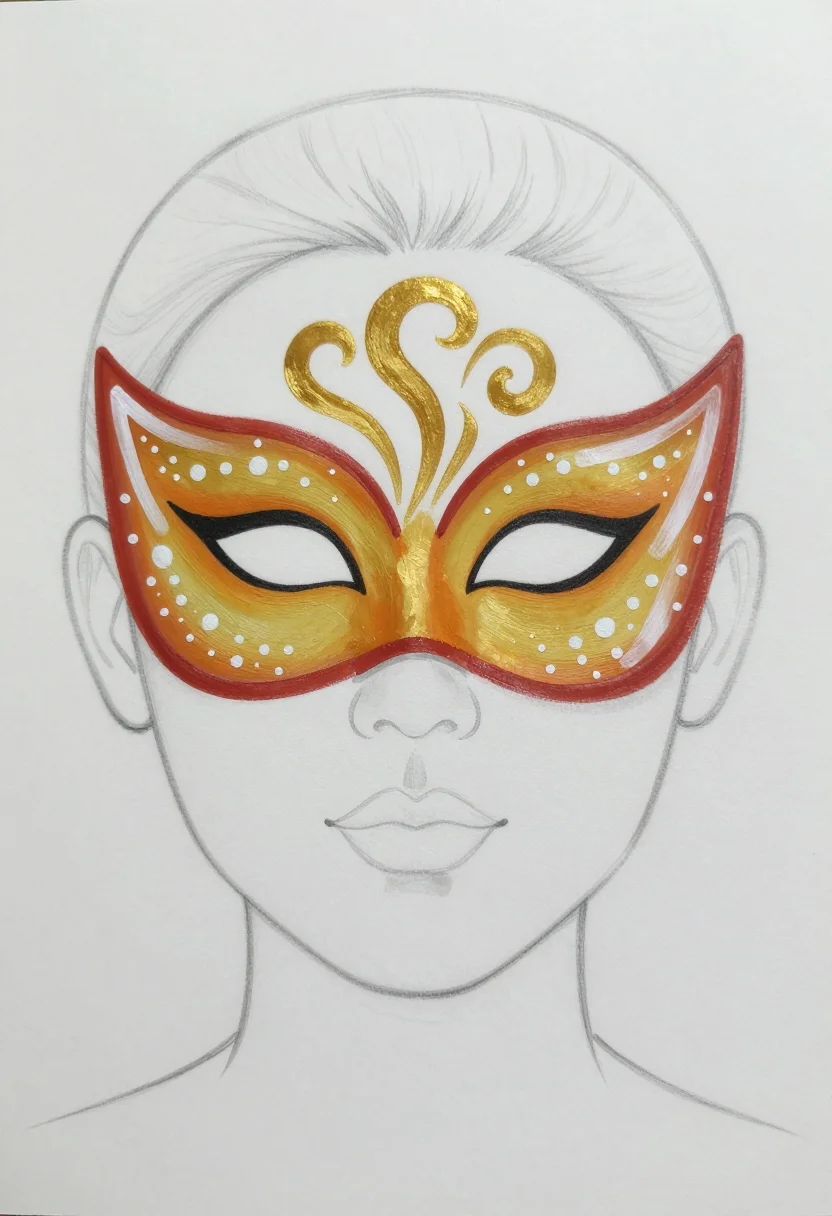
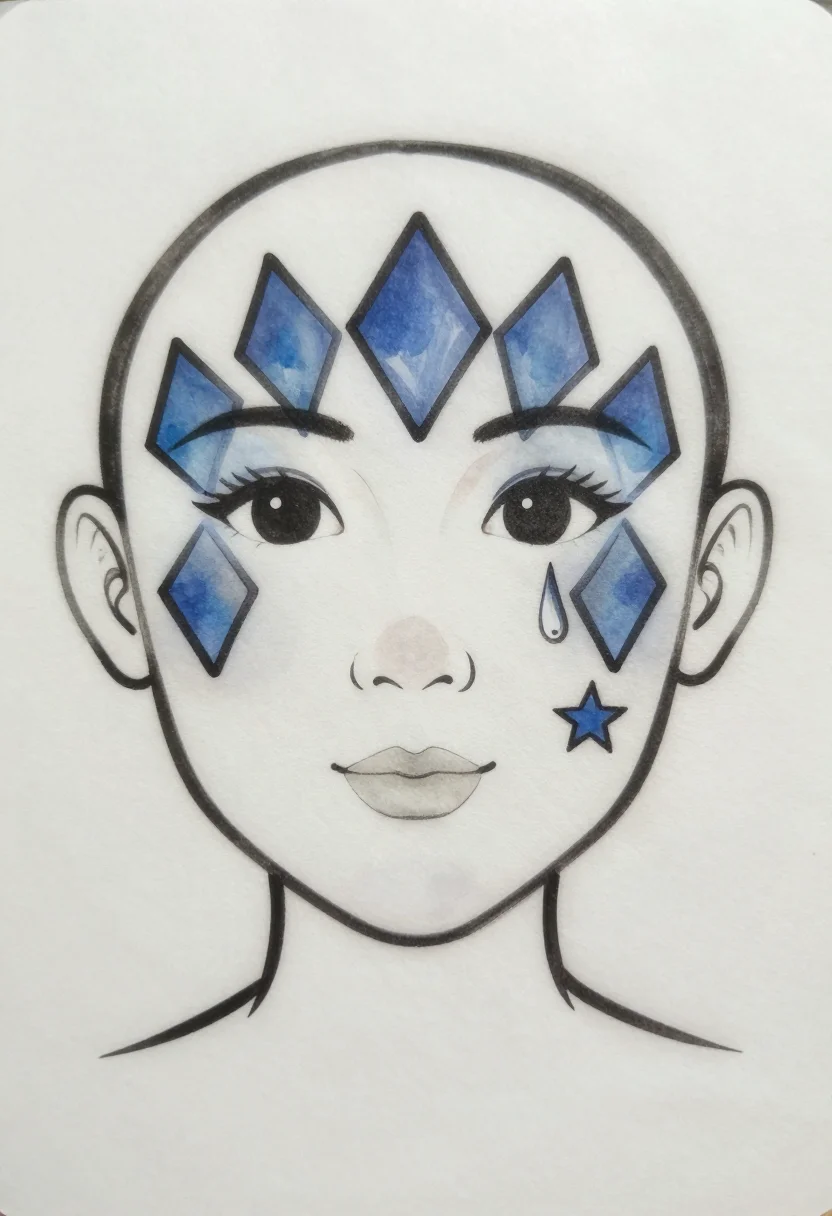
Face charts for Carnival, Fasching or a school parade: a drawn face with the design painted on, so the lines can be followed stroke by stroke. The painted mask has gold swirls on the forehead, the butterfly spreads across the eyes and nose, the harlequin puts diamonds over one eye. The colour chart shows the finished look and the stroke guide the outlines alone. Type a design, such as a tiger face, and the chart is drawn with it.
- a face painter's reference at a party
- a parent copying a design for a child
- a school parade face paint
- a Fasching costume look
Frequently asked questions
- Can I follow the stroke guide with paint?
- Yes. The stroke guide shows every outline in black on a white face, so you can trace the shapes on a practice sheet first.
- Is this a photograph of a painted face?
- No. It is a drawn face chart, not a photograph of real skin or make-up.
- What is the difference between the three styles?
- Colour chart shows the design in bright face-paint colours on a grey pencil face. Stroke guide is black outline only. Watercolour adds soft transparent washes to the outline.
- Is a design safe for skin?
- The chart does not cover paint safety. Use face paint made for skin, test a small patch first, and follow the maker's instructions.
About toile
This page is a showcase and a starting point: nine samples already rendered, three readings of the pack crossed with three styles, each shown at the size and ratio it was made for. Take any of them further on the wall with a few words, or ask for all nine again under your own direction; a sign-in keeps what you make, and it is free while Toile is new. The recipe behind each sample — the subject, the style, the palette, the framing — travels with the image rather than staying private to the render: it is in the alt text of every sample and in the page's own structured data, so a search engine reads the same handles a person would.