/chintz · pattern
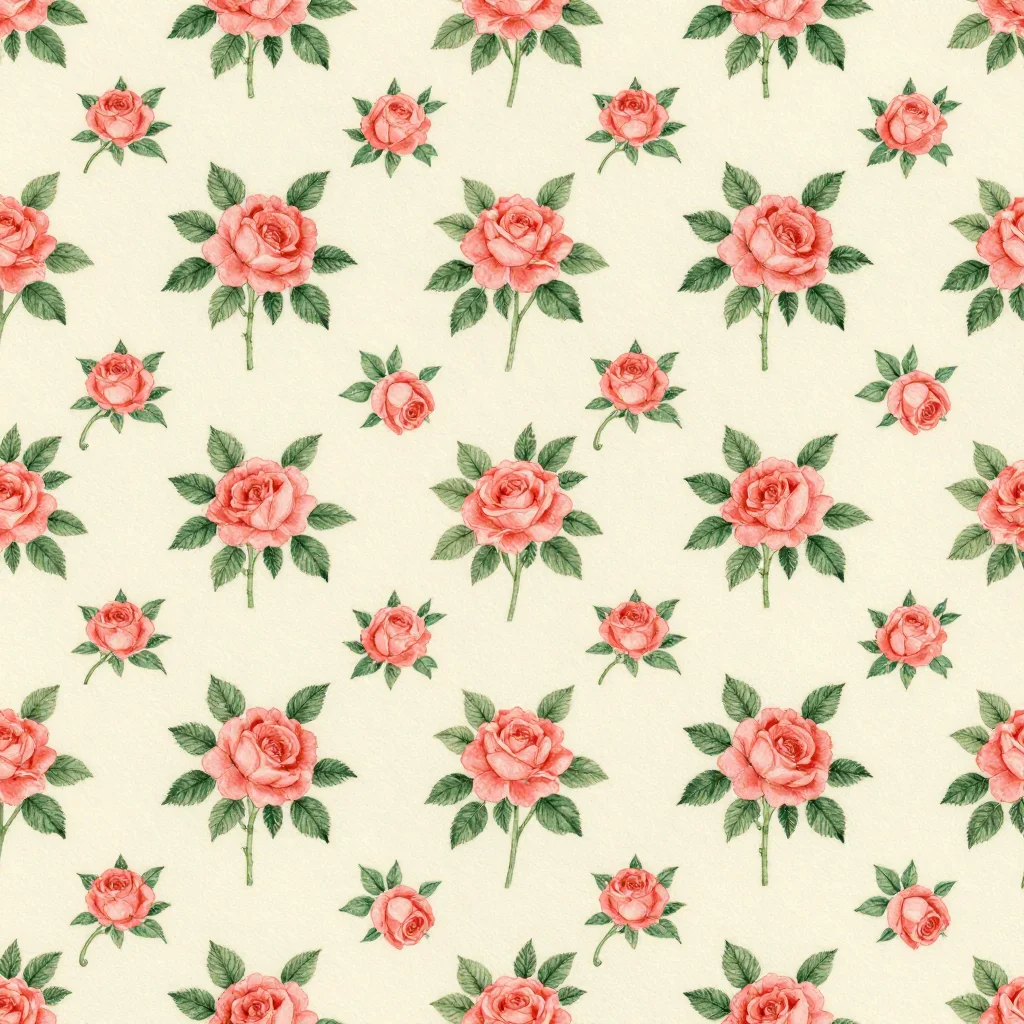
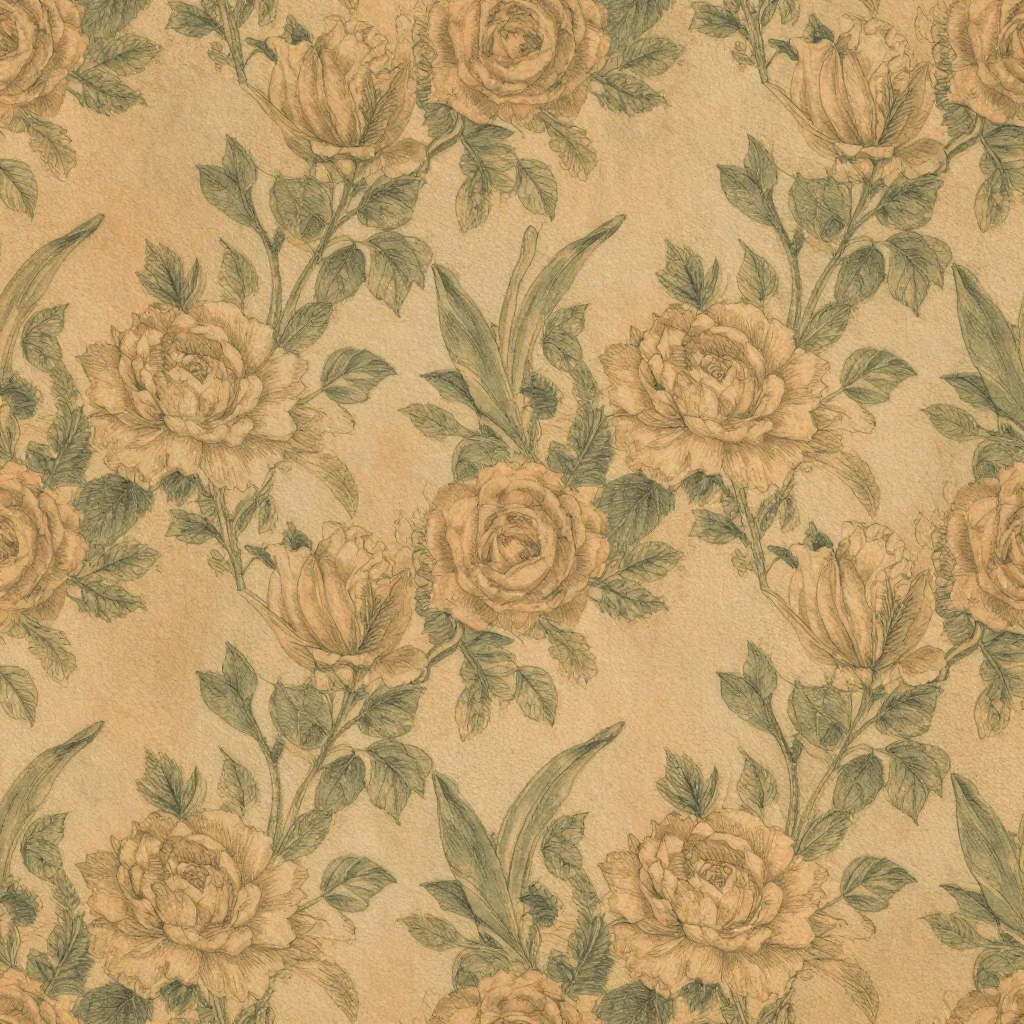
Chintz print: rose, peony-and-bird, trailing stem
Make your ownChintz
Describe yours. We'll remake the whole pack your way.
More like this
the whole catalog →
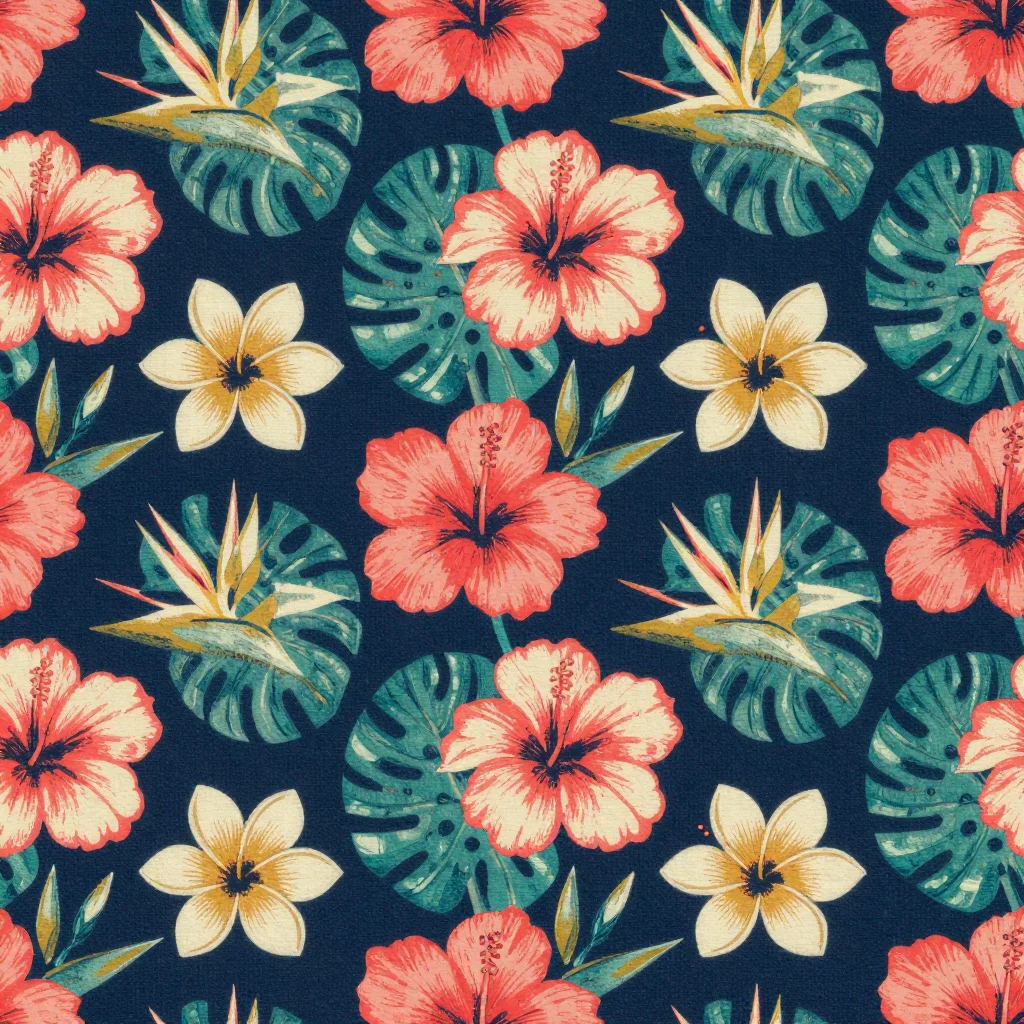

every sample — three subjects, three styles ↓
Chintz is the glazed cotton the India trade brought west: blown roses and peonies filling nearly every inch of a light ground, birds and trailing stems closing the last gaps. These nine render rose, peony-and-bird and trailing-stem chintz across blush, indigo and document-brown grounds. Ask for a different bloom, like a magnolia, and the same three groundings carry it.
- a curtain or upholstery fabric print
- a cushion cover print
- a wallpaper panel
- a gift wrap sheet
- a fabric swatch for reupholstery reference
Frequently asked questions
- What size and format do these print at?
- Each pattern is a seamless square tile at even resolution, so it repeats cleanly on fabric yardage or a wallpaper roll at any scale.
- Can I get a different flower, like a magnolia?
- Yes — the direction field takes any bloom, and the same three groundings render it.
- What's the difference between the three motifs?
- Rose is a single blowsy bloom repeated densely; peony-and-bird adds a perched bird among the stems; trailing stem interlaces the stems into a continuous vine that closes every gap.
- Is this a real chintz or a made-up style?
- Chintz is a real historic category of glazed printed cotton, tracing to the India trade. This set draws on its density and shine as a style reference for a generated print, not a copy of any specific historic mill's design.
About toile
This page is a showcase and a starting point: nine samples already rendered, three readings of the pack crossed with three styles, each shown at the size and ratio it was made for. Take any of them further on the wall with a few words, or ask for all nine again under your own direction; a sign-in keeps what you make, and it is free while Toile is new. The recipe behind each sample — the subject, the style, the palette, the framing — travels with the image rather than staying private to the render: it is in the alt text of every sample and in the page's own structured data, so a search engine reads the same handles a person would.