/clipper-number-charts · beauty
Clipper number charts: guards #0 to #8 in inches and millimetres
Make your ownClipper number charts
Describe yours. We'll remake the whole pack your way.
More like this
the whole catalog →
every sample — three subjects, three styles ↓
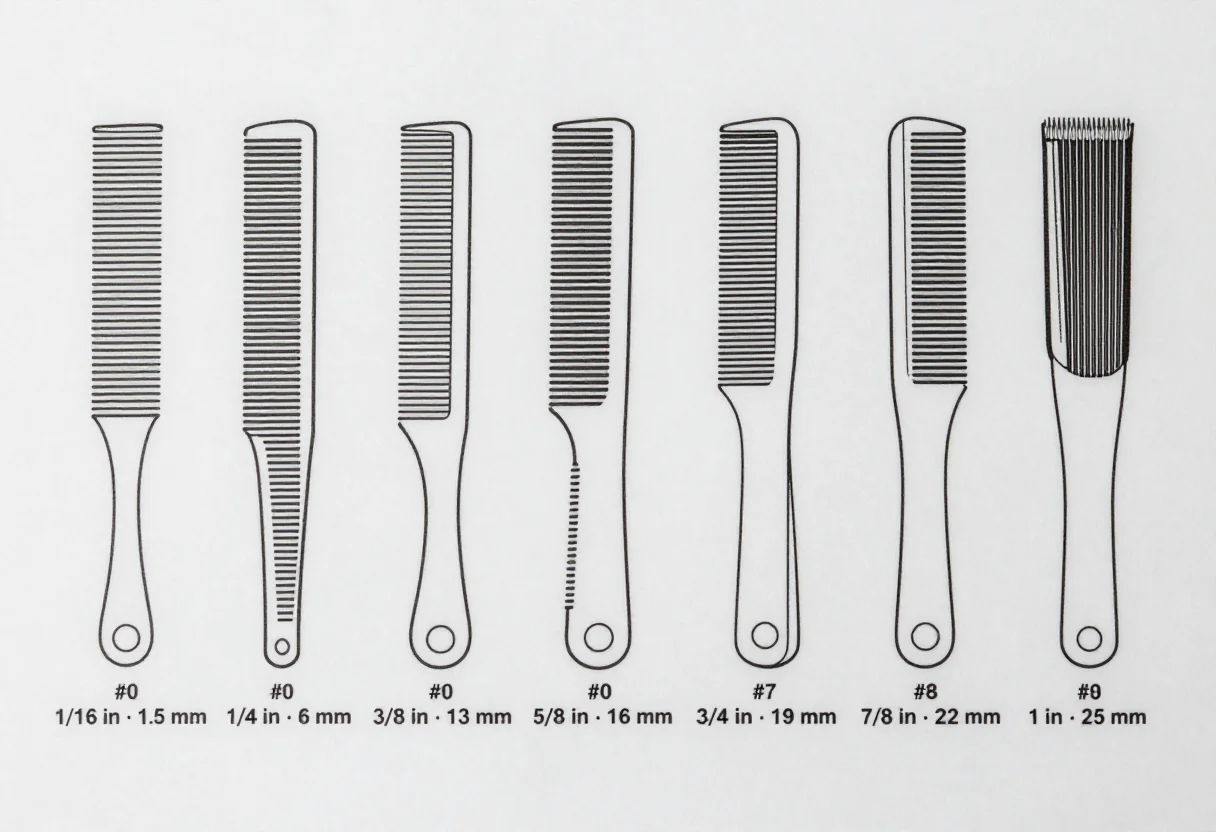
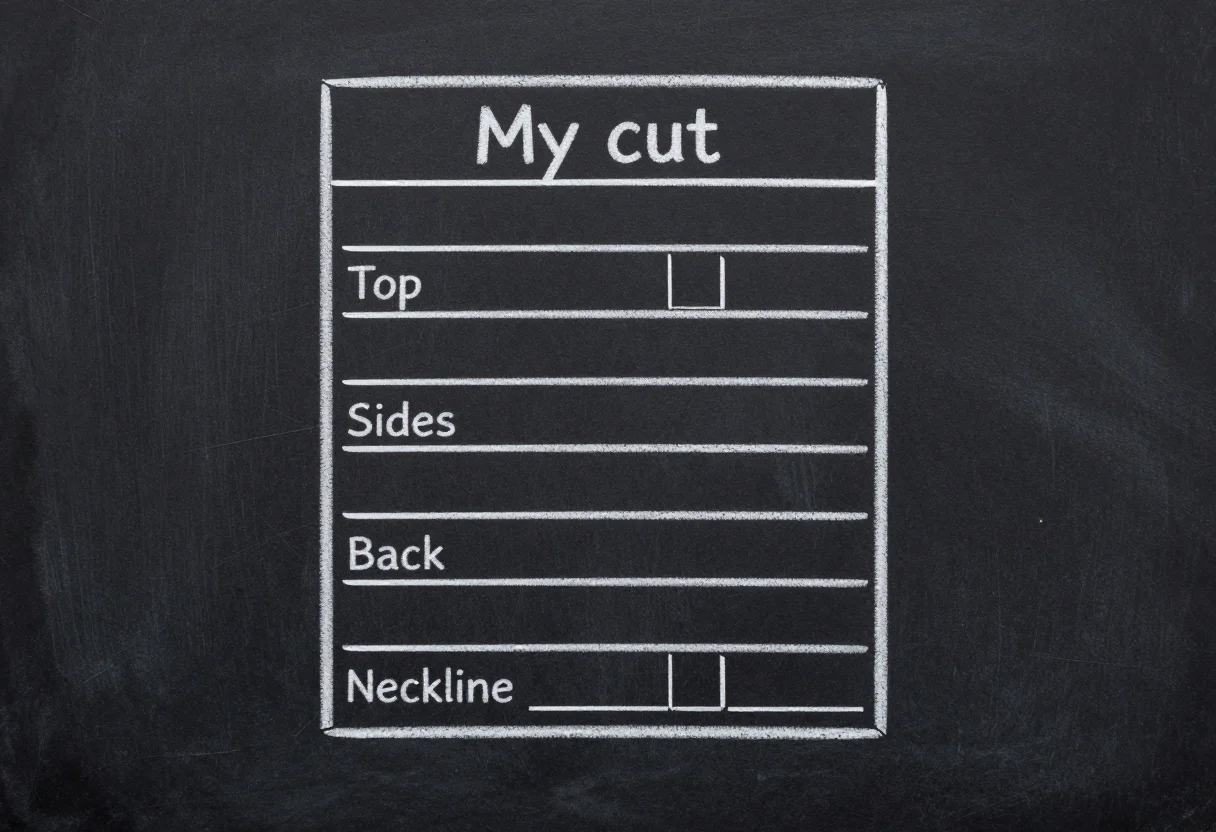
A clipper number chart shows how long each guard leaves the hair. One row lists guards #0 to #8 with each length in inches and millimetres. Another draws the hair each guard leaves as a bar against a millimetre ruler. A cut card with boxes for Top, Sides, Back and Neckline comes last. Use it at home or hand it to a barber. Type a use, such as kids cuts, and the chart is drawn for it.
- cutting hair at home with a guard
- telling a barber a guard number
- a note of your cut for next time
- comparing guard lengths in millimetres
Frequently asked questions
- Does a higher number mean longer hair?
- On this chart the number rises with the length, so #8 leaves the longest hair of the nine, at 1 inch or 25 millimetres. Guard makers differ, so check the length printed on your own guard.
- Why are there two units?
- Some guards are sold by inches and others by millimetres. Each length is written in both, so either works.
- Can I type a different use?
- Yes. Type the use you want, and the chart is drawn for it in place of the guards shown.
- What do the three styles look like?
- The line chart is technical black line art, the barbershop version is a navy and red poster, and the chalkboard version is white chalk on dark slate.
About toile
This page is a showcase and a starting point: nine samples already rendered, three readings of the pack crossed with three styles, each shown at the size and ratio it was made for. Take any of them further on the wall with a few words, or ask for all nine again under your own direction; a sign-in keeps what you make, and it is free while Toile is new. The recipe behind each sample — the subject, the style, the palette, the framing — travels with the image rather than staying private to the render: it is in the alt text of every sample and in the page's own structured data, so a search engine reads the same handles a person would.