/concealer-placement-charts · beauty
Concealer placement charts: under-eye triangle, brightening points, four steps
Make your ownConcealer placement charts
Describe yours. We'll remake the whole pack your way.
More like this
the whole catalog →

every sample — three subjects, three styles ↓
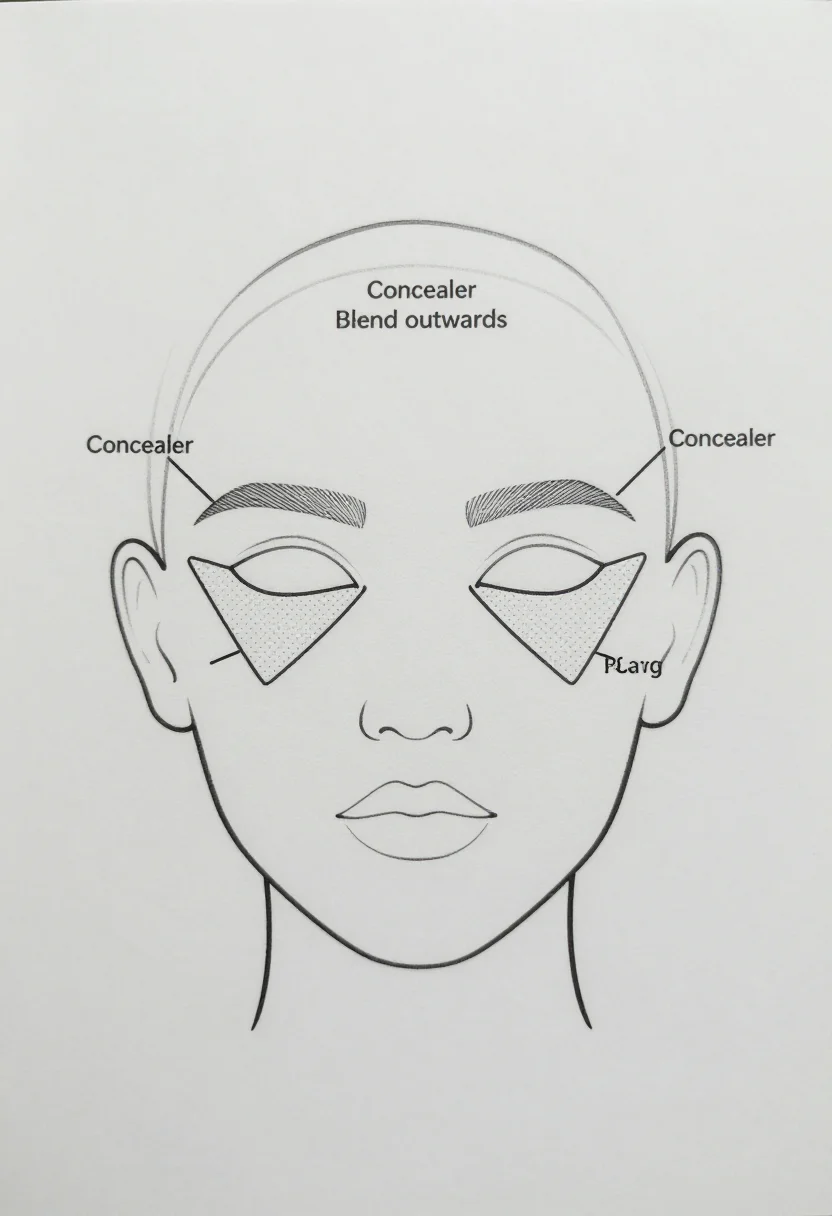
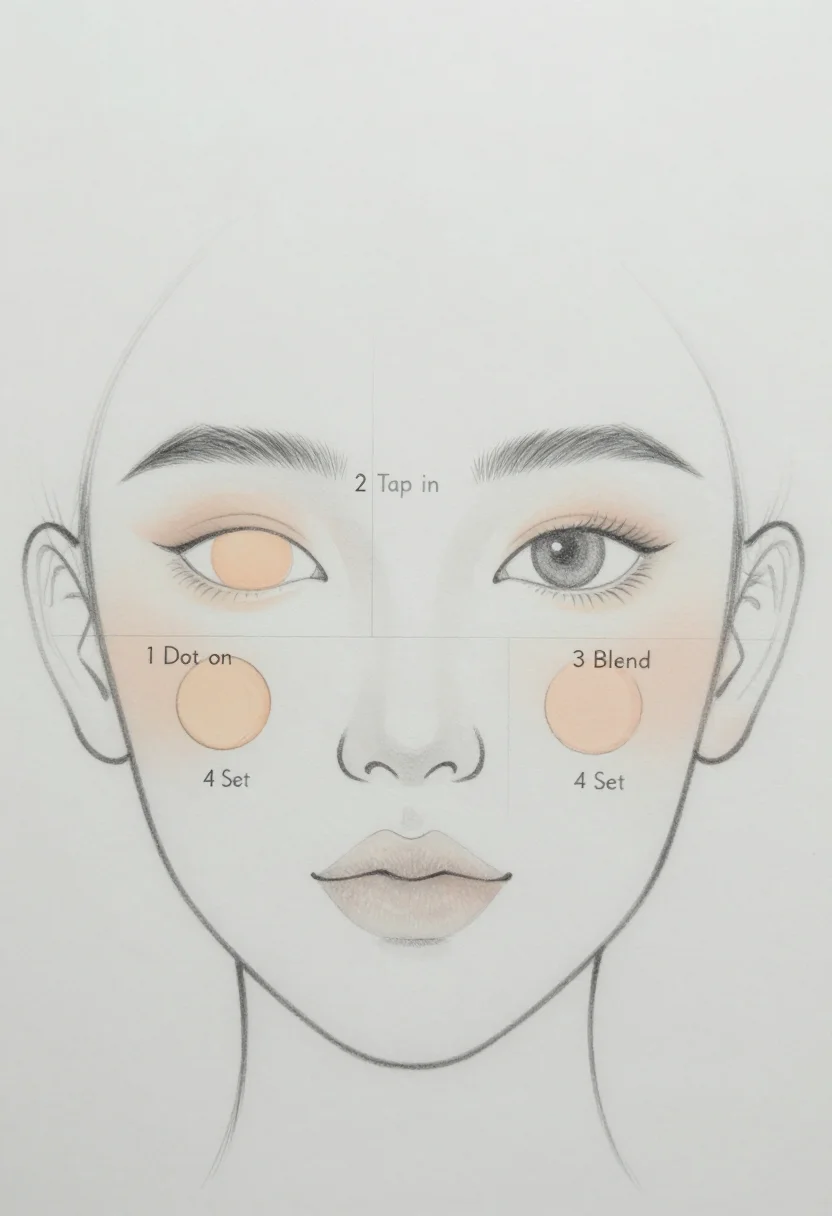
A concealer placement chart shows where concealer goes and how much to use. One picture draws an inverted triangle under each eye, with the concealer and the blend outwards labelled. Another marks brightening points on the forehead, beside the nose, on the chin and at the mouth corners. A third walks through four steps for one eye area: Dot on, Tap in, Blend and Set. Type a concern, such as dark circles, and the chart is drawn for it.
- learning where concealer goes
- a makeup class handout
- checking placement before an event
- a quick reference for a daily routine
Frequently asked questions
- How much concealer should I use?
- Start with a small dot and tap in more only where it is needed. The steps show the order: dot on, tap in, blend, then set.
- Where do the brightening points go?
- The chart marks the centre of the forehead, the side of the nose, the chin and the mouth corners as small dots.
- Can I type a different concern?
- Yes. Type the concern you want, such as deep skin, and the chart is drawn for it in place of the one shown.
- What do the three styles show differently?
- The line chart fills the areas with fine dots, the soft tint washes them in pale peach beige, and the artist's chart blends the concealer in ivory like cream.
About toile
This page is a showcase and a starting point: nine samples already rendered, three readings of the pack crossed with three styles, each shown at the size and ratio it was made for. Take any of them further on the wall with a few words, or ask for all nine again under your own direction; a sign-in keeps what you make, and it is free while Toile is new. The recipe behind each sample — the subject, the style, the palette, the framing — travels with the image rather than staying private to the render: it is in the alt text of every sample and in the page's own structured data, so a search engine reads the same handles a person would.