/consumer-awareness-posters · classroom
Consumer awareness posters: checking a label, consumer rights, asking for a bill

Make your ownConsumer awareness posters
Describe yours. We'll remake the whole pack your way.
More like this
the whole catalog →

every sample — three subjects, three styles ↓
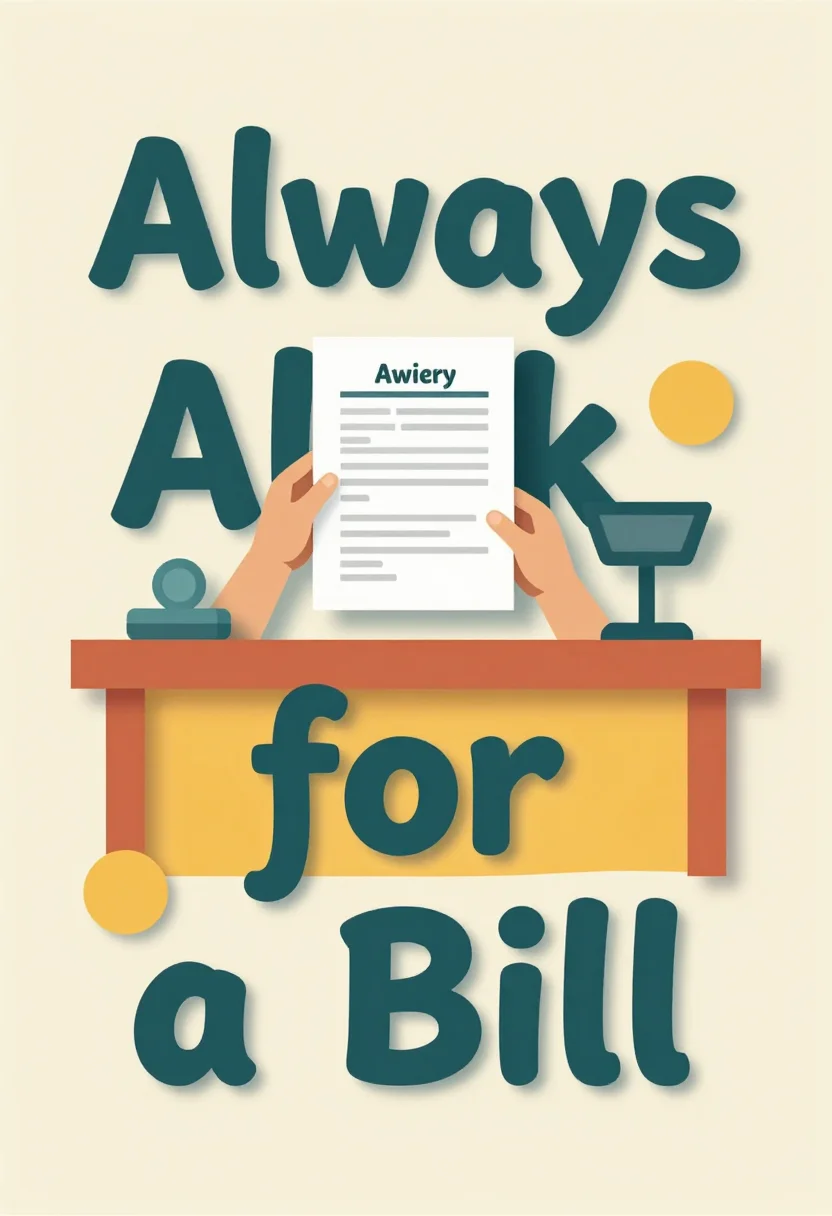
Consumer awareness posters for social science projects and National Consumer Day on 24 December. The nine pictures show a shopper with a magnifying glass checking a packet, a poster titled Consumer Rights with six icon tiles, and a customer holding up a printed bill at a shop counter. Each idea comes in three styles. Type a twist with your request, such as a Hindi title or blue tones.
- a social science project
- a National Consumer Day display
- a market or shop notice board
- a classroom civics chart
Frequently asked questions
- What do the nine pictures show?
- Three ideas in three styles: a shopper checking a product label, a poster of six consumer rights in icons, and a customer asking for a bill.
- Which consumer rights are on the icon poster?
- The poster titled Consumer Rights has six icon tiles captioned Safety, Information, Choice, Be Heard, Redressal and Education.
- Can I ask for a different twist?
- Yes, add it to your request, such as a Hindi title or blue tones; the sample shows one version of that request.
- Are the slogans exact?
- The slogans are set as quoted, with no other lettering in the picture; check every word against your own text before you print.
About toile
This page is a showcase and a starting point: nine samples already rendered, three readings of the pack crossed with three styles, each shown at the size and ratio it was made for. Take any of them further on the wall with a few words, or ask for all nine again under your own direction; a sign-in keeps what you make, and it is free while Toile is new. The recipe behind each sample — the subject, the style, the palette, the framing — travels with the image rather than staying private to the render: it is in the alt text of every sample and in the page's own structured data, so a search engine reads the same handles a person would.