/cover-up-tattoos · tattoo
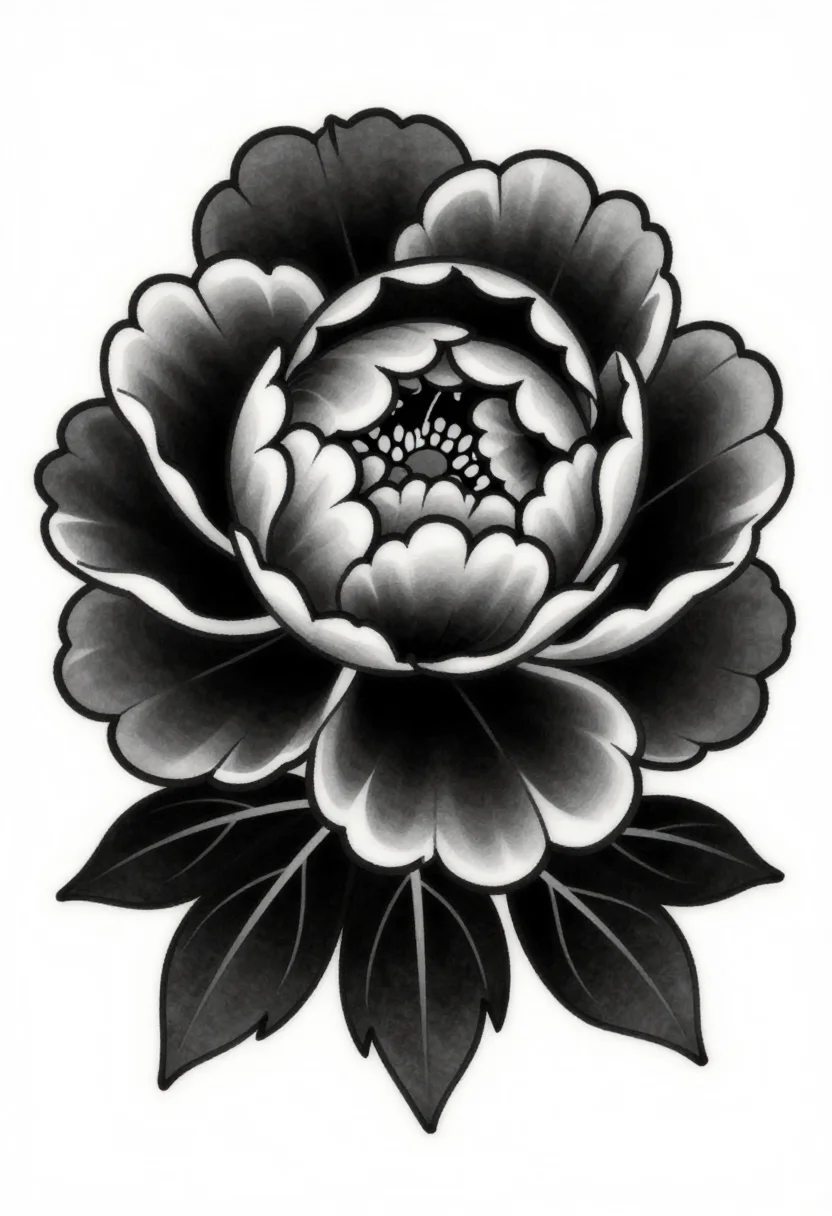
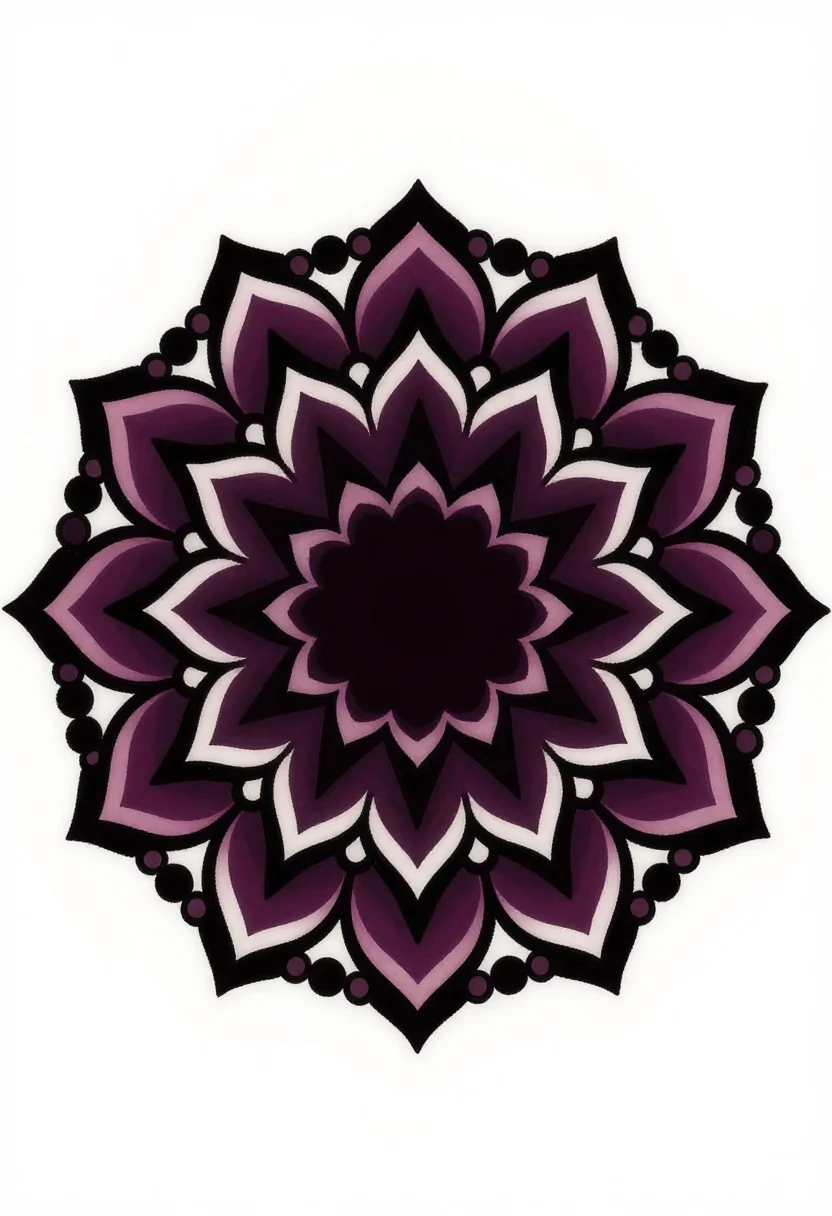
Cover up tattoo designs: a heavy peony, a raven and a mandala in three finishes
Make your ownCover-up tattoo designs
Describe yours. We'll remake the whole pack your way.
More like this
the whole catalog →
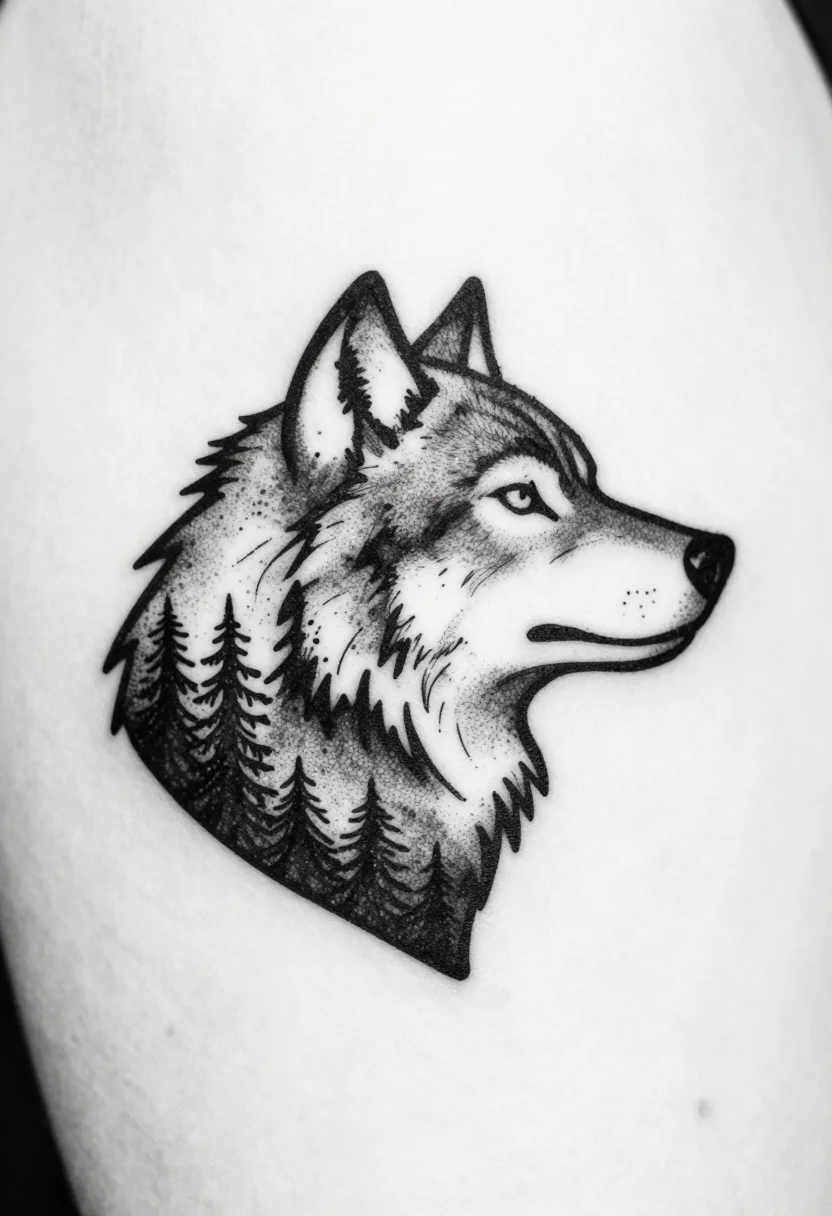
every sample — three subjects, three styles ↓
A cover-up has to be dense enough to swallow old ink, the darkest mass planned where the old piece sits. These nine are a full-bloom peony, a spread-wing raven and a dark-cored mandala, each drawn as solid blackwork, black-and-grey, and neo-traditional color. Ask for a different motif in the same three finishes, sized for the area being covered.
- a reference sheet for a cover-up consultation
- a design to compare against an old piece's size
- a print for planning coverage placement
- a starting point for a forearm-sized cover-up
Frequently asked questions
- What size do these print at?
- Portrait A4 proportions with a white margin; scale and placement are things to work out with the artist covering the specific old piece.
- Will this definitely cover my old tattoo?
- It's a design reference, not a guarantee — an artist needs to see the old piece to confirm size, ink color and placement before any design can reliably cover it.
- Can I get a bigger version for a forearm?
- Yes — that's what the direction field is for. Ask for it sized bigger and the design redraws with denser coverage.
- What makes a design work as a cover-up?
- Dense dark mass placed exactly where the old ink sits — these three finishes (blackwork, black-and-grey, neo-traditional color) are three ways shops build that coverage.
About toile
This page is a showcase and a starting point: nine samples already rendered, three readings of the pack crossed with three styles, each shown at the size and ratio it was made for. Take any of them further on the wall with a few words, or ask for all nine again under your own direction; a sign-in keeps what you make, and it is free while Toile is new. The recipe behind each sample — the subject, the style, the palette, the framing — travels with the image rather than staying private to the render: it is in the alt text of every sample and in the page's own structured data, so a search engine reads the same handles a person would.