/crochet-patterns · craft
Crochet patterns: granny square, doily and filet grid
Make your ownCrochet pattern charts
Describe yours. We'll remake the whole pack your way.
More like this
the whole catalog →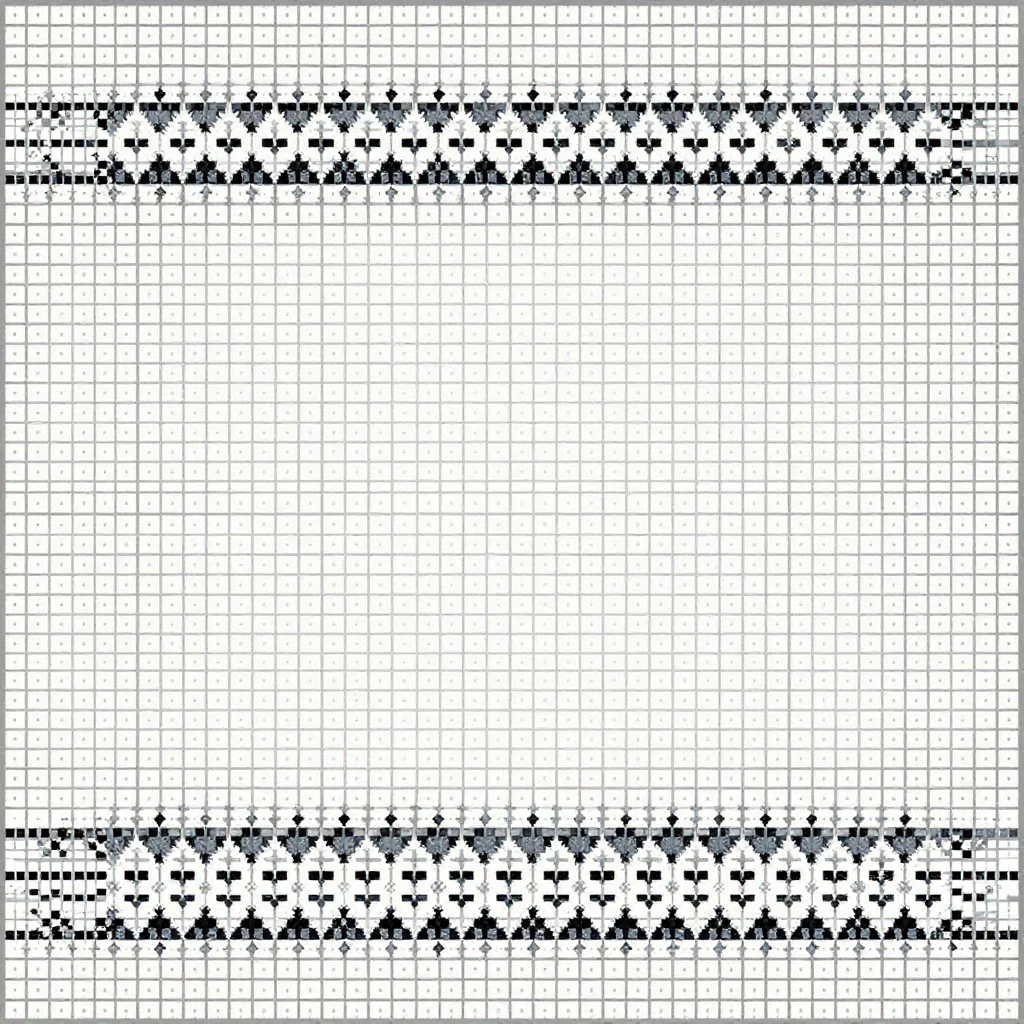
every sample — three subjects, three styles ↓
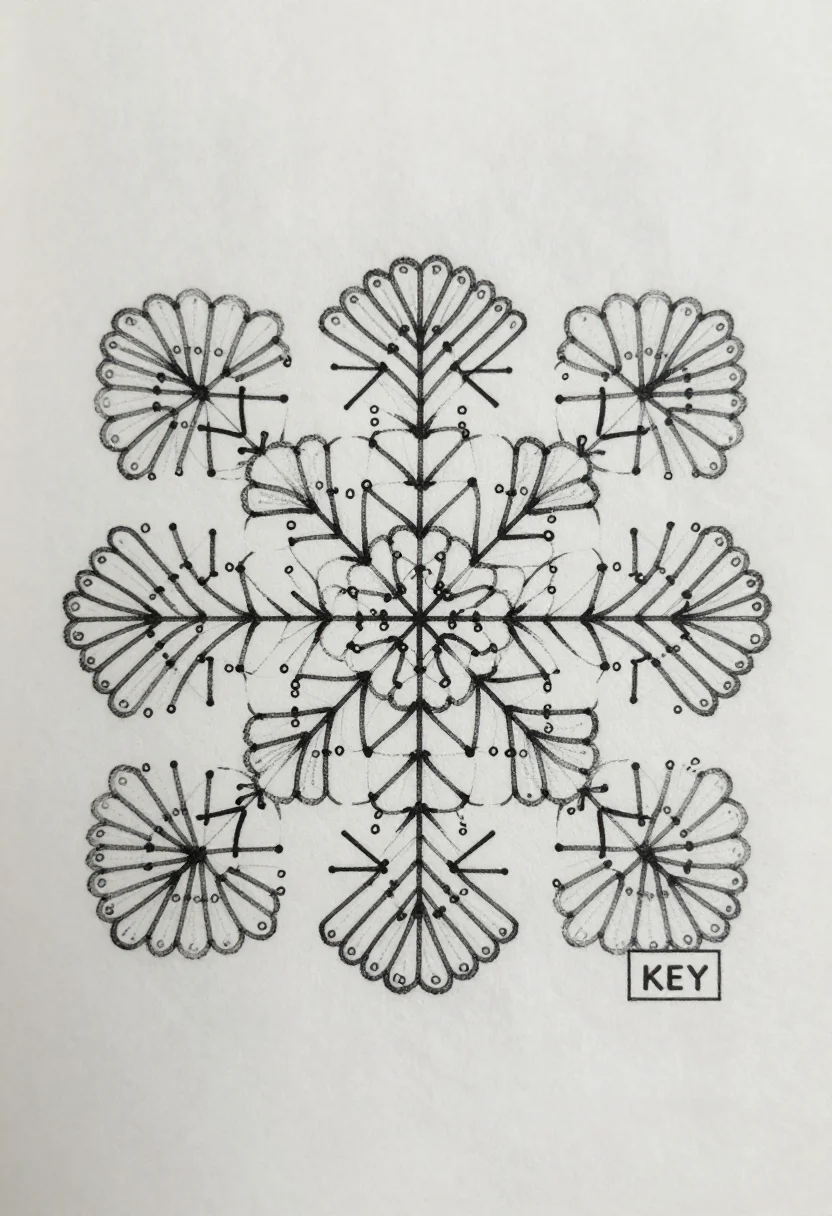
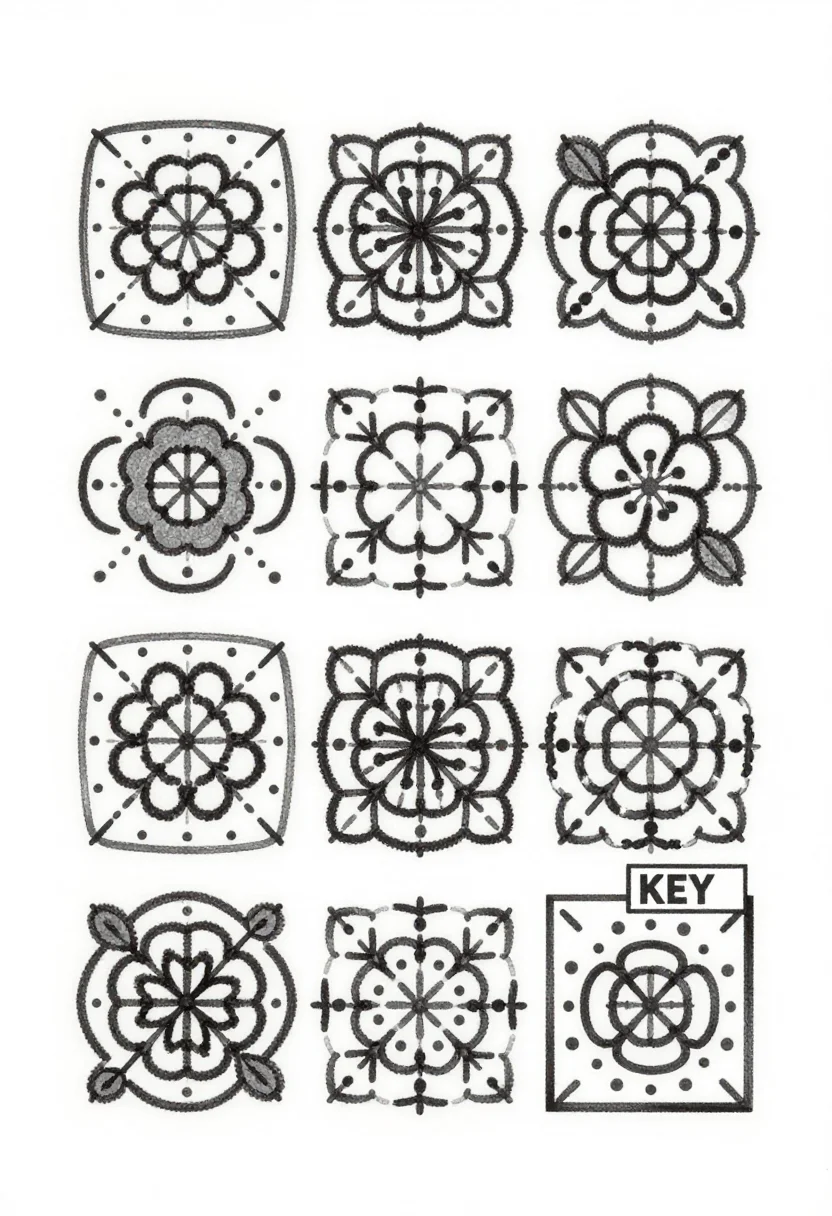
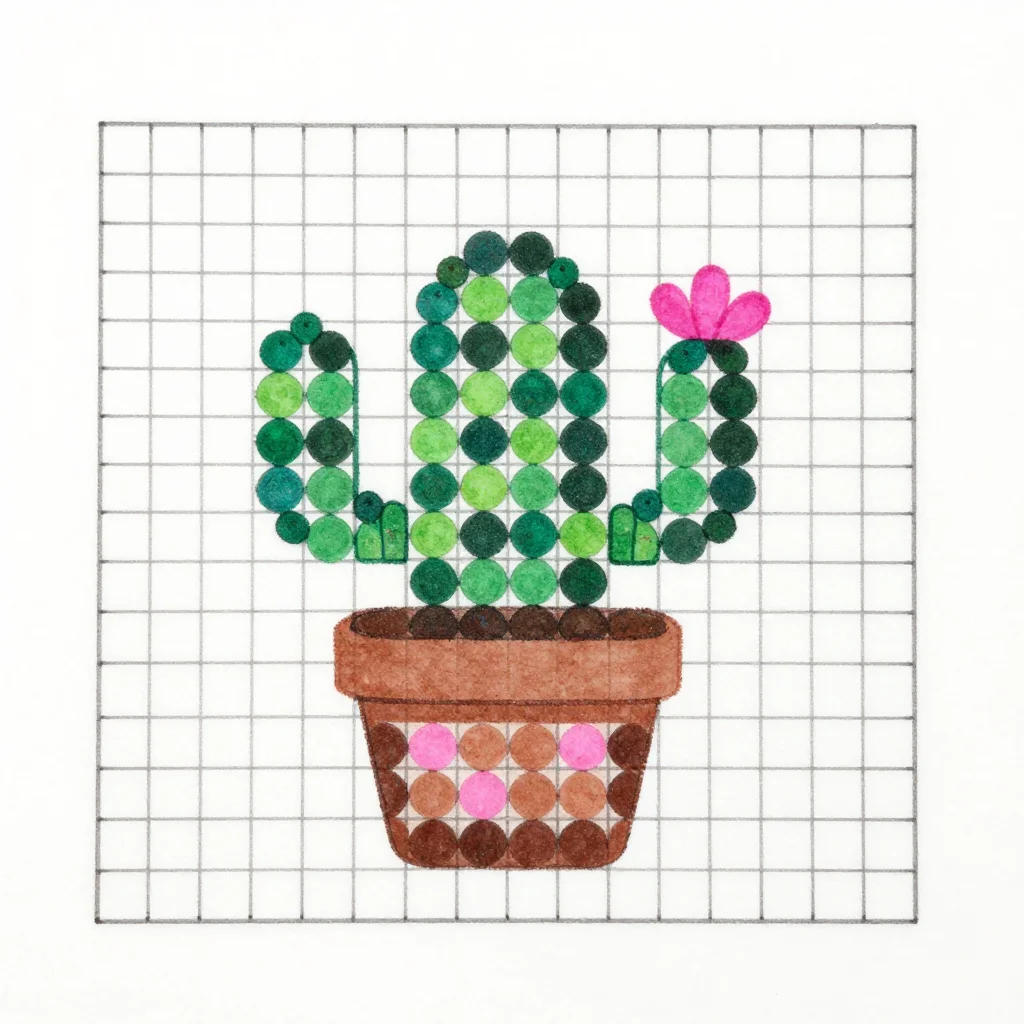
A crochet chart is what a stitcher actually works from: symbols, not sentences. These nine chart a granny square, a round lace doily and a filet-crochet grid, each drawn three ways — the standard symbol notation, a bold wide-spaced beginner sheet, and a chart where every round changes line style. Print the sheet, or type a different motif and it charts again.
- a beginner's first granny square
- a printable page for a pattern binder
- a chart to follow without a video
- a card insert for a new crocheter
Frequently asked questions
- What size does the chart print at?
- Portrait A4 proportions with a clean margin, so it prints straight from a home printer or scales into a binder sleeve.
- Is this a photo of the finished piece or a chart to follow?
- A chart: symbols, rounds and a key box, the way a pattern book prints it — not a picture of finished stitching.
- Can I get the same motif charted a different way?
- Yes — that's the direction field on the page. Type a different motif or shape and the chart is drawn again in the same three notations.
About toile
This page is a showcase and a starting point: nine samples already rendered, three readings of the pack crossed with three styles, each shown at the size and ratio it was made for. Take any of them further on the wall with a few words, or ask for all nine again under your own direction; a sign-in keeps what you make, and it is free while Toile is new. The recipe behind each sample — the subject, the style, the palette, the framing — travels with the image rather than staying private to the render: it is in the alt text of every sample and in the page's own structured data, so a search engine reads the same handles a person would.