/crochet-stitch-charts · craft
Crochet stitch charts: symbols, stitch heights and fancy stitches
Make your ownCrochet stitch charts
Describe yours. We'll remake the whole pack your way.
More like this
the whole catalog →
every sample — three subjects, three styles ↓
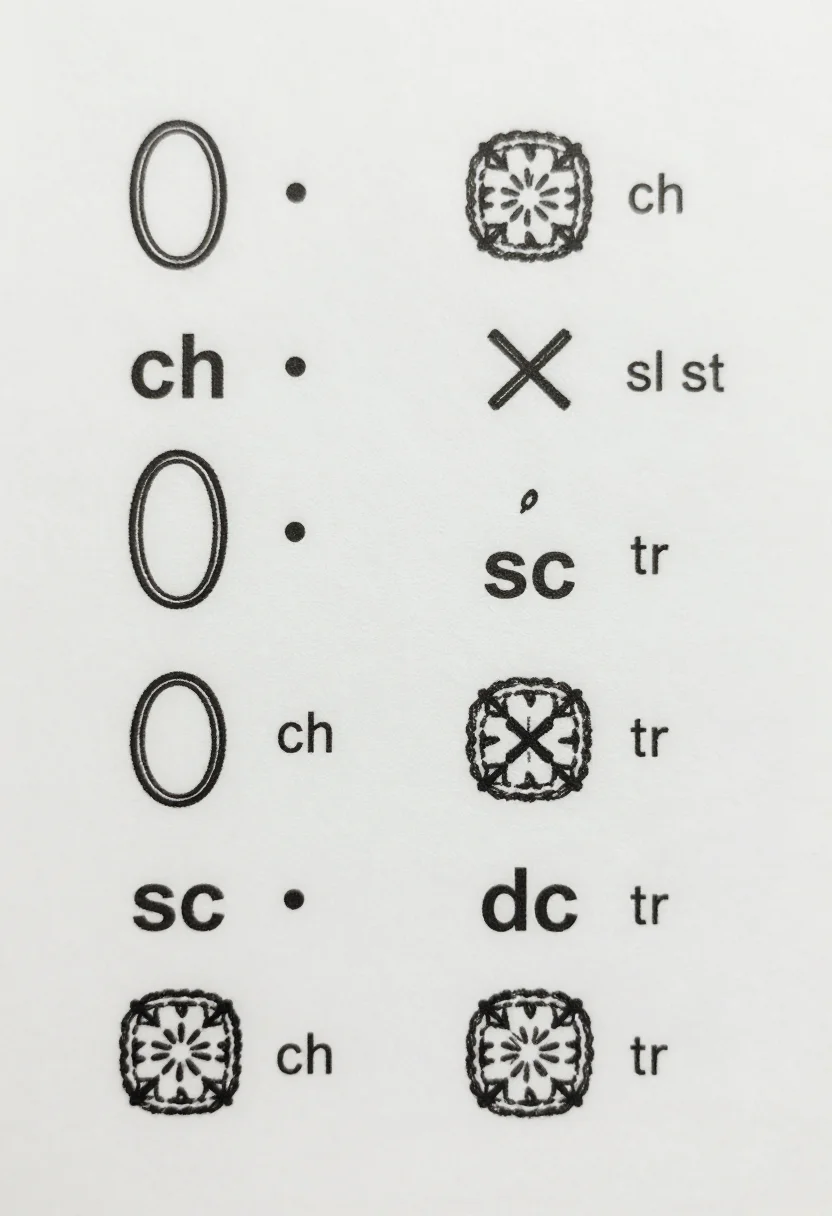
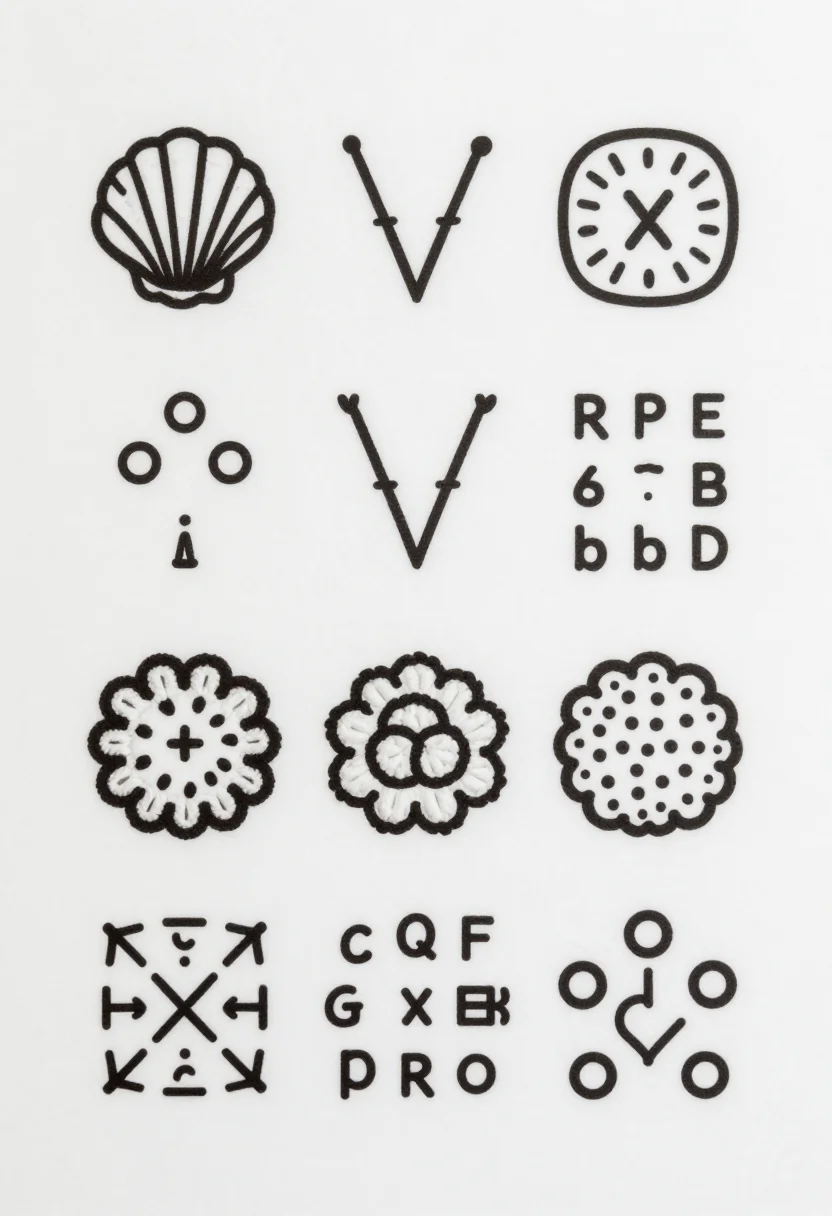
A stitch chart sits beside the hook while you learn. It shows the symbol for each stitch beside its abbreviation, and how the basic stitches compare in height. These nine cover a symbol key, a height chart and six fancy stitches such as shell, puff and popcorn. Each comes as a clean sheet, a worksheet with ruled boxes, or a wall poster. Type a different focus and it carries over.
- a beginner's desk reference
- a classroom wall chart
- a printed insert for a crochet kit
- a cheat sheet for reading patterns
Frequently asked questions
- Are these the US terms?
- Yes. The abbreviations are US crochet names, such as sc for single crochet and dc for double crochet.
- Will the symbols match my pattern?
- Symbols follow standard crochet charts, but some designers draw their own key. Check the key in your pattern.
- Which layout works on a wall?
- The poster, with thick symbols that read from across a room.
About toile
This page is a showcase and a starting point: nine samples already rendered, three readings of the pack crossed with three styles, each shown at the size and ratio it was made for. Take any of them further on the wall with a few words, or ask for all nine again under your own direction; a sign-in keeps what you make, and it is free while Toile is new. The recipe behind each sample — the subject, the style, the palette, the framing — travels with the image rather than staying private to the render: it is in the alt text of every sample and in the page's own structured data, so a search engine reads the same handles a person would.