/crockery-unit-designs · home
Crockery unit designs: glass-front, corner and bar
Make your ownCrockery unit designs
Describe yours. We'll remake the whole pack your way.
More like this
the whole catalog →
every sample — three subjects, three styles ↓
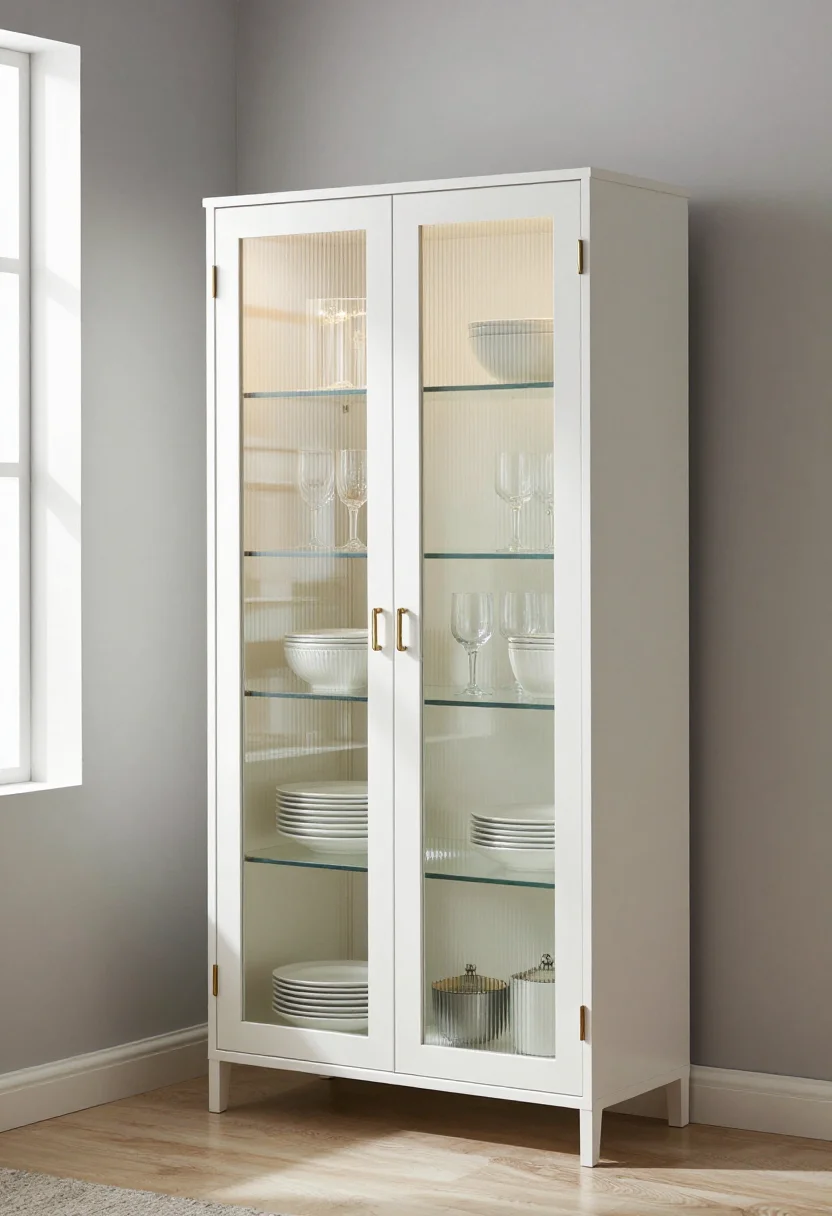
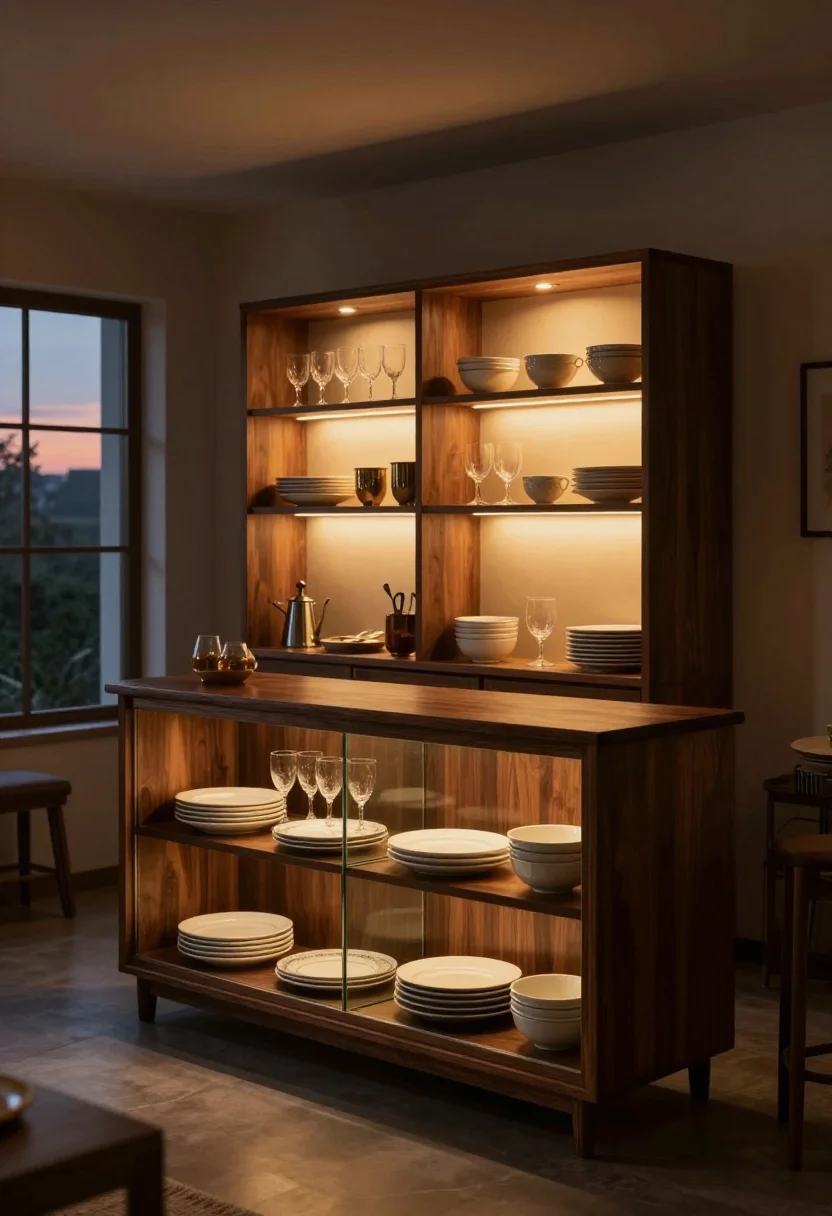
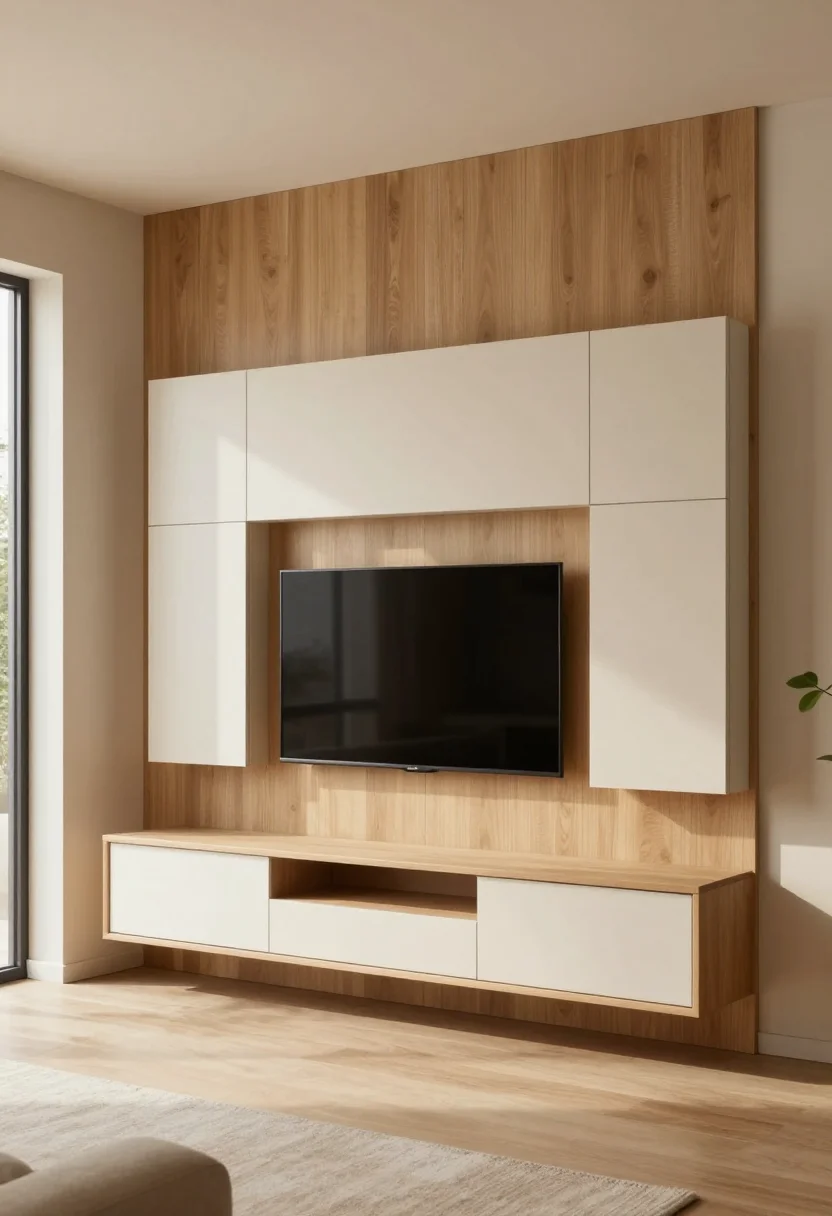
Three crockery units for a dining room: a tall unit with glass doors and inner lights, a corner unit, and a unit with a bar counter. Each is shown in a modern room with matte laminate and fluted glass, in a classic room in polished teak with marble, and in an evening room with a warm glow inside the shelves. Type a different layout, such as a small dining unit, and you get a variation on the same three units.
- Briefing a carpenter on a dining crockery unit
- A corner unit for a small dining room
- A bar counter built into a crockery unit
- A glass-front unit for display
Frequently asked questions
- Do the pictures show the depth or height of the unit?
- No. They show the look of each unit, with no dimensions or drawings. Measure your wall and check the fit with your carpenter.
- What is the difference between the three finishes?
- Modern uses matte laminate and fluted glass in white, oak and soft grey. Classic uses polished teak, brass handles and a marble top. Evening uses walnut and smoked glass with a warm glow inside.
- Are these real units?
- No. They are generated images styled to look like photographs of Indian dining rooms.
- Can I ask for a unit with a mandir?
- Yes. Type it as a direction. The result is a variation on the same three units, not a guaranteed match.
About toile
This page is a showcase and a starting point: nine samples already rendered, three readings of the pack crossed with three styles, each shown at the size and ratio it was made for. Take any of them further on the wall with a few words, or ask for all nine again under your own direction; a sign-in keeps what you make, and it is free while Toile is new. The recipe behind each sample — the subject, the style, the palette, the framing — travels with the image rather than staying private to the render: it is in the alt text of every sample and in the page's own structured data, so a search engine reads the same handles a person would.