/cv-templates · office
CV template: academic, European style, modern
Make your ownCV templates
Describe yours. We'll remake the whole pack your way.
More like this
the whole catalog →
every sample — three subjects, three styles ↓
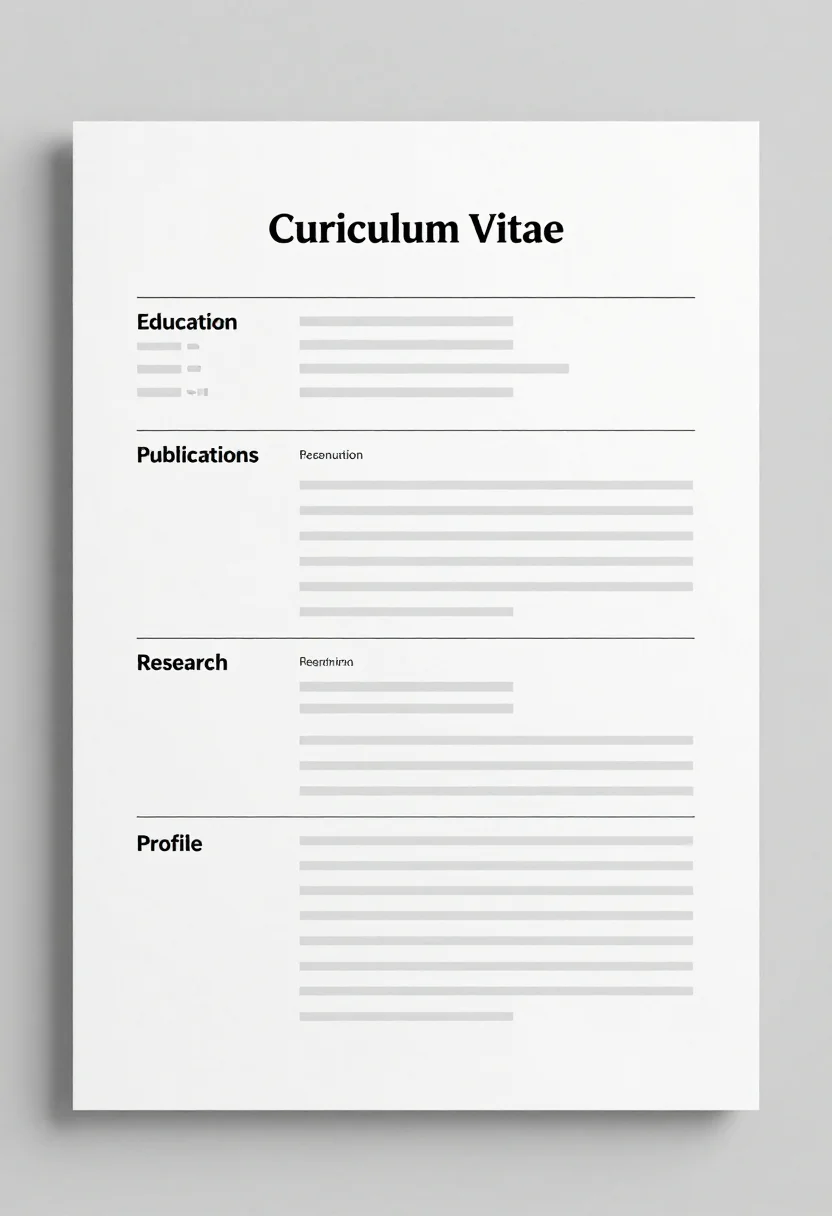
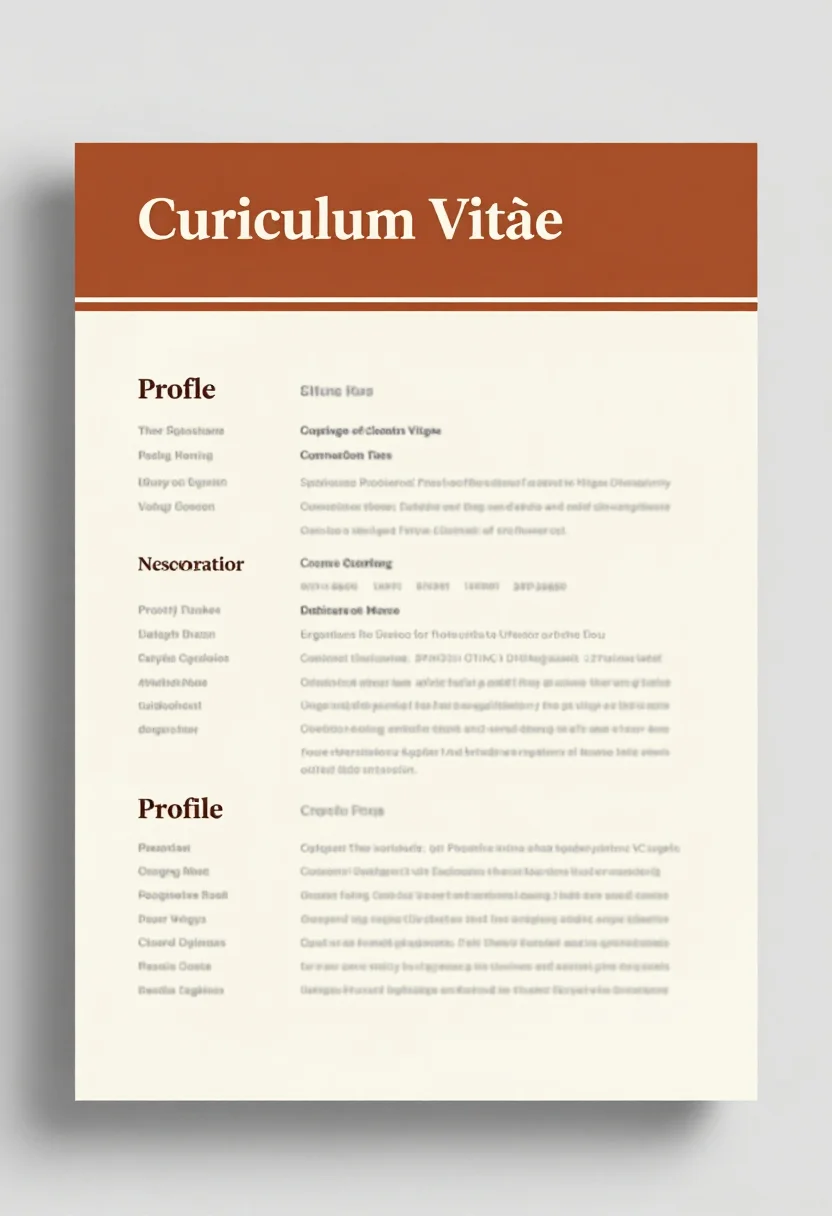
A CV template is the layout a curriculum vitae is built on. These nine show an academic CV with sections for education, publications and research, a European-style CV with a label column, and a modern CV with a colour header band. Each comes in a plain, charcoal or cream style. Only the headings are lettered; grey lines mark your own entries. Type a twist, such as navy accent, and it is a request, not a promised colour.
- an academic or research job application
- a job application where a European-style CV is expected
- a modern CV with a colour header
- a first CV to fill in and print
Frequently asked questions
- What is the difference between a CV and a resume?
- A CV is usually longer and lists education, publications and research. It is the common term outside the United States. These templates are layouts, so the sections are shown, not written.
- Are the sections filled in?
- No. Only the headings are lettered. The grey lines show where your entries go.
- What does the modern CV look like?
- A colour header band runs across the top of the page, and the rest of the page is grey lines for your content.
- Can I change the accent colour?
- Type it as a twist, such as navy accent. It is a request for that colour, not a promised result.
About toile
This page is a showcase and a starting point: nine samples already rendered, three readings of the pack crossed with three styles, each shown at the size and ratio it was made for. Take any of them further on the wall with a few words, or ask for all nine again under your own direction; a sign-in keeps what you make, and it is free while Toile is new. The recipe behind each sample — the subject, the style, the palette, the framing — travels with the image rather than staying private to the render: it is in the alt text of every sample and in the page's own structured data, so a search engine reads the same handles a person would.