/deforestation-posters · classroom
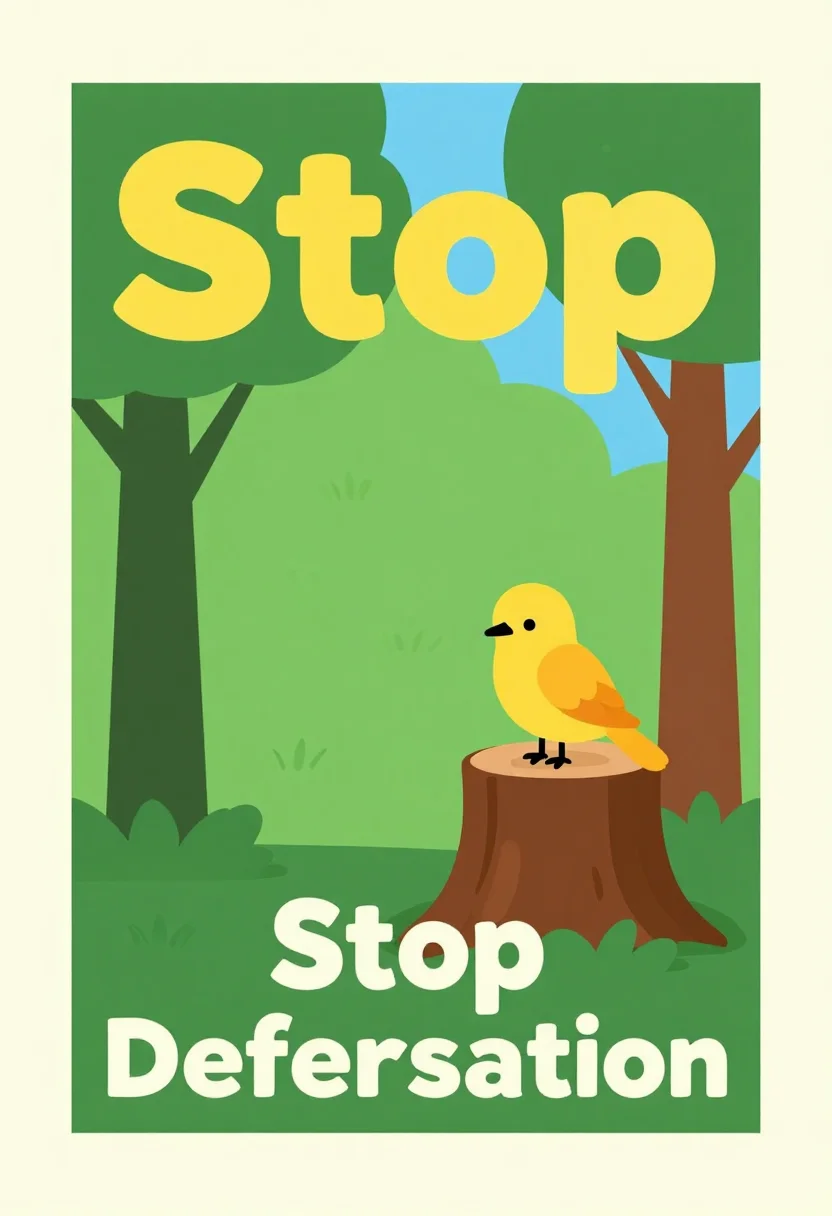
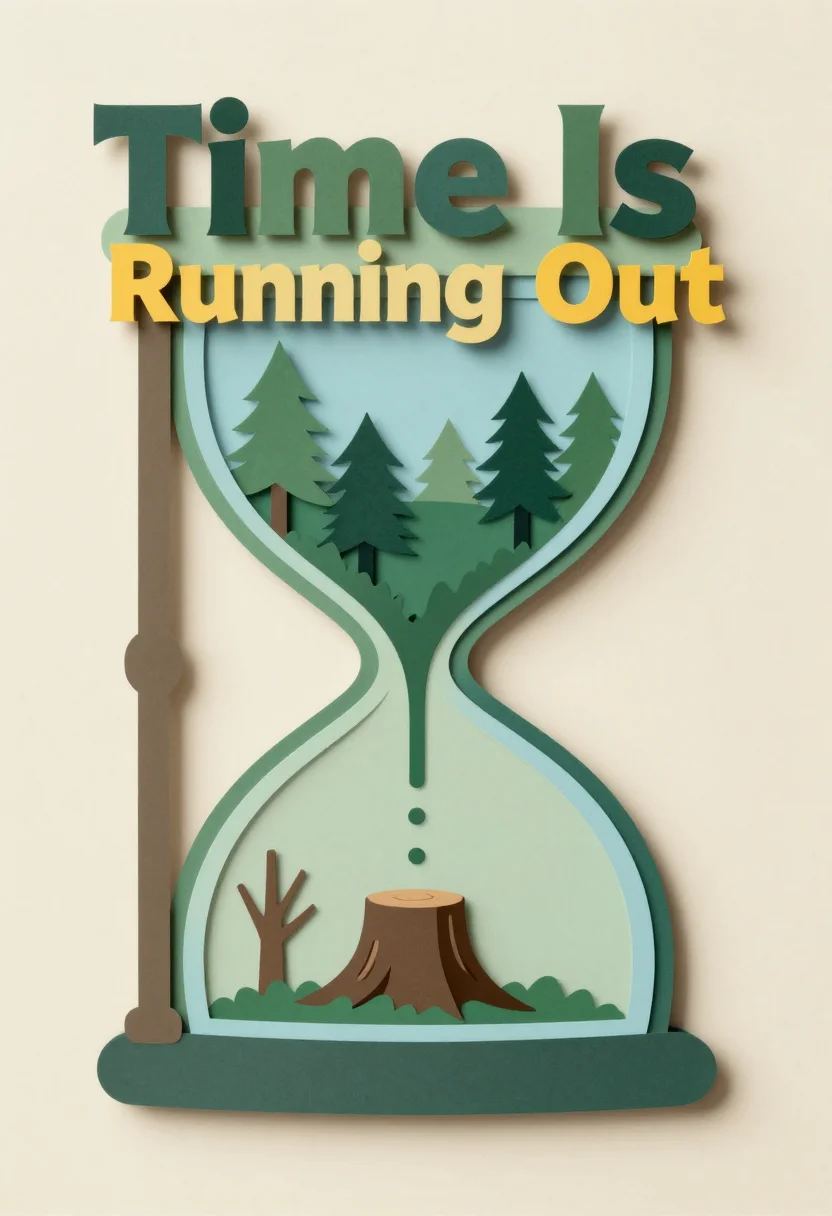
Deforestation posters: a forest cut to stumps, animals facing a bulldozer, an hourglass
Make your ownDeforestation posters
Describe yours. We'll remake the whole pack your way.
More like this
the whole catalog →
every sample — three subjects, three styles ↓
Deforestation posters for a geography project or a school competition. Three designs: a forest half green and half cut to stumps, a tiger, an elephant and a monkey watching a bulldozer cut down their forest, and an hourglass with a green forest in the top half draining into bare stumps. Each comes in flat vector, crayon and paper cut. Type a direction, such as with deer, to ask for a change; it is a request, not a guaranteed result.
- a geography project display
- a school competition entry
- a classroom chart on forest loss
- an eco club notice board
Frequently asked questions
- What is the title of the half-forest design?
- Stop Deforestation. A sad bird sits on one of the stumps.
- What do the bulldozer design's letters say?
- Where Will We Live? is lettered above the tiger, elephant and monkey watching the bulldozer.
- How do the three styles differ?
- Flat vector uses bold shapes with no outlines. Crayon looks hand-drawn in wax with uneven fills. Paper cut is layered paper with crisp edges and soft shadows between the layers.
About toile
This page is a showcase and a starting point: nine samples already rendered, three readings of the pack crossed with three styles, each shown at the size and ratio it was made for. Take any of them further on the wall with a few words, or ask for all nine again under your own direction; a sign-in keeps what you make, and it is free while Toile is new. The recipe behind each sample — the subject, the style, the palette, the framing — travels with the image rather than staying private to the render: it is in the alt text of every sample and in the page's own structured data, so a search engine reads the same handles a person would.