/dia-de-las-madres-cards · season
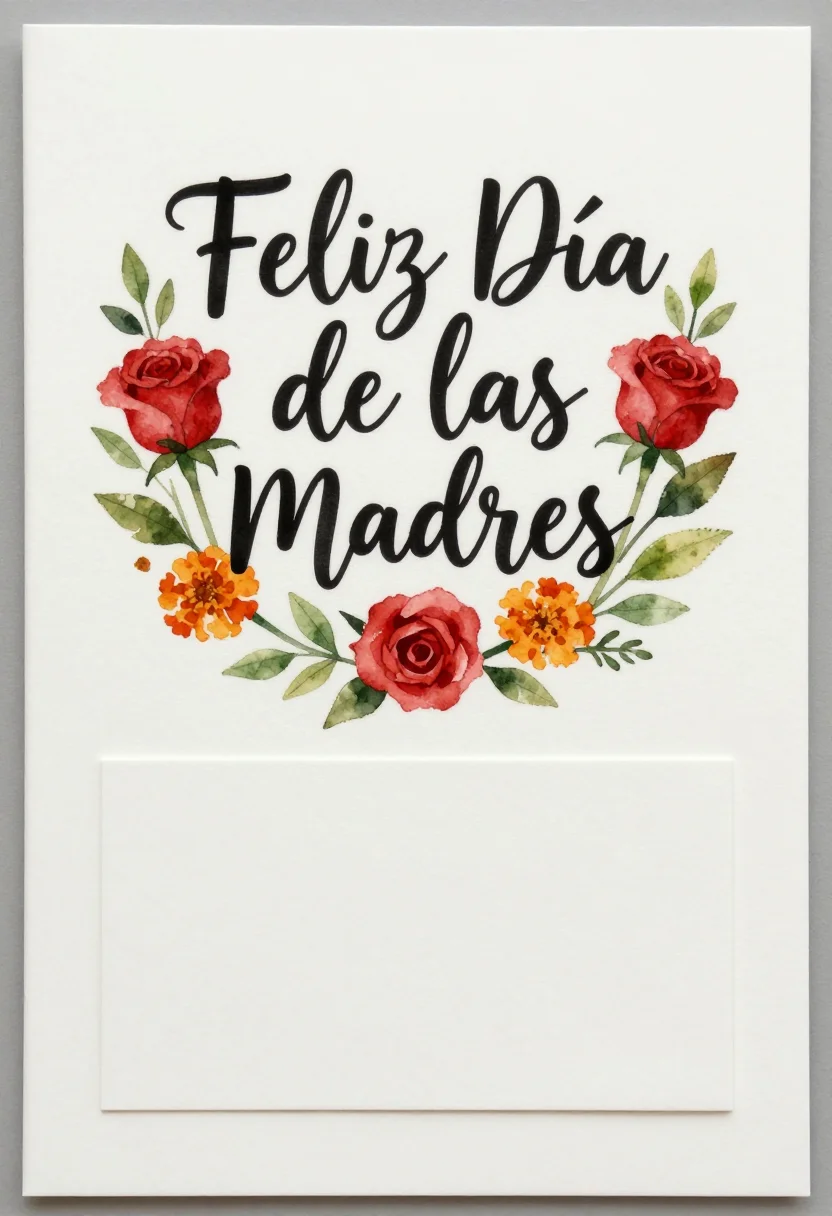
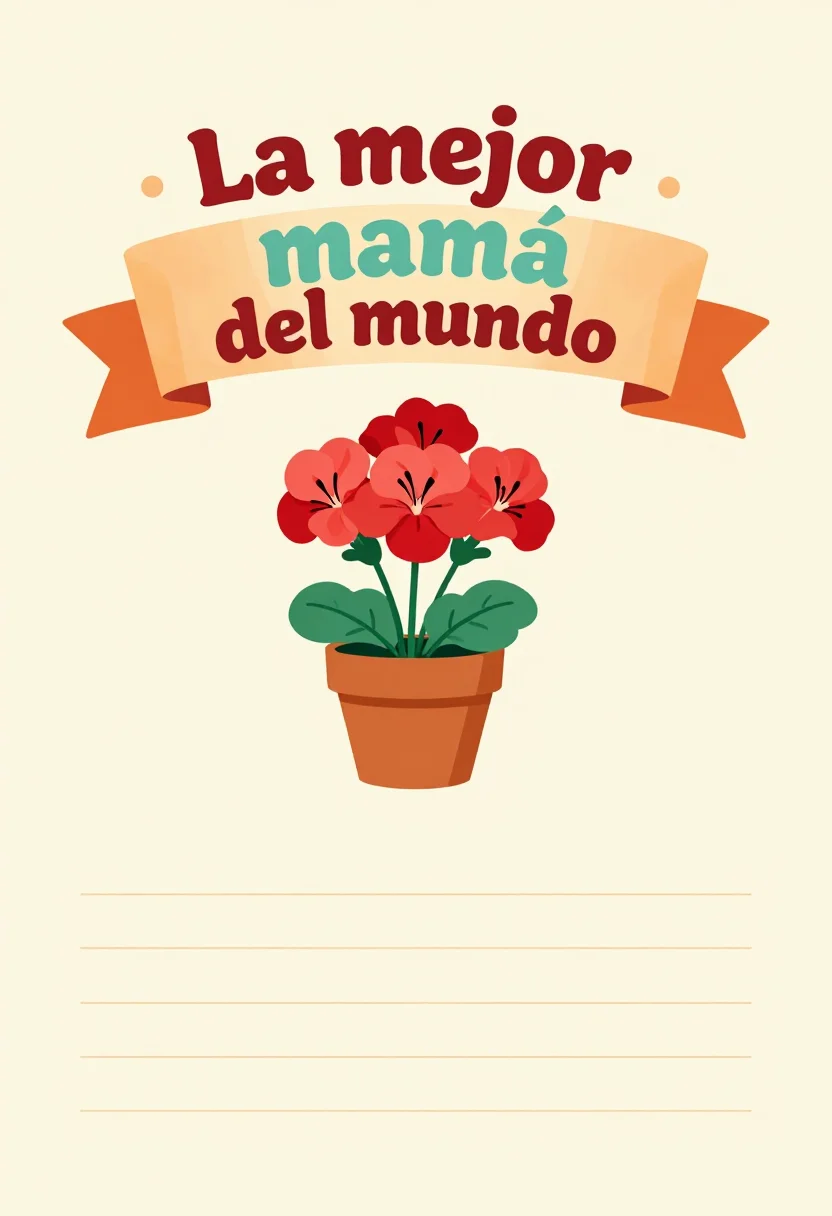
Día de las Madres cards: Feliz Día, Te quiero, La mejor mamá
Make your ownDía de las Madres cards
Describe yours. We'll remake the whole pack your way.
More like this
the whole catalog →
every sample — three subjects, three styles ↓
Printable Spanish cards for Día de las Madres, kept on 10 May in Mexico and on other dates across Latin America and Spain. Each card carries a greeting such as Feliz Día de las Madres, Te quiero, mamá or La mejor mamá del mundo, with roses, marigolds or a heart. The message panel stays blank for the writer. Watercolor, papel picado and flat color styles. Type a different greeting, and the same card layout carries it.
- a card for a mother or grandmother on Día de las Madres
- a card for a school celebration
- a card to send to family abroad
- a card a child colors and signs
Frequently asked questions
- Is the greeting spelled correctly?
- Yes. The greeting and its accents are lettered exactly as written on each card.
- What is the papel picado style?
- Bright cut-tissue flags with fine patterns are strung across the top of the card, in hot pink, turquoise, marigold and lime.
- Can I change the greeting?
- Yes. Type a different greeting, and the same card layout carries it.
About toile
This page is a showcase and a starting point: nine samples already rendered, three readings of the pack crossed with three styles, each shown at the size and ratio it was made for. Take any of them further on the wall with a few words, or ask for all nine again under your own direction; a sign-in keeps what you make, and it is free while Toile is new. The recipe behind each sample — the subject, the style, the palette, the framing — travels with the image rather than staying private to the render: it is in the alt text of every sample and in the page's own structured data, so a search engine reads the same handles a person would.