/diwali-drawings · coloring
Diwali drawings: diyas and rangoli, lit house, children with sparklers
Make your ownDiwali drawings
Describe yours. We'll remake the whole pack your way.
More like this
the whole catalog →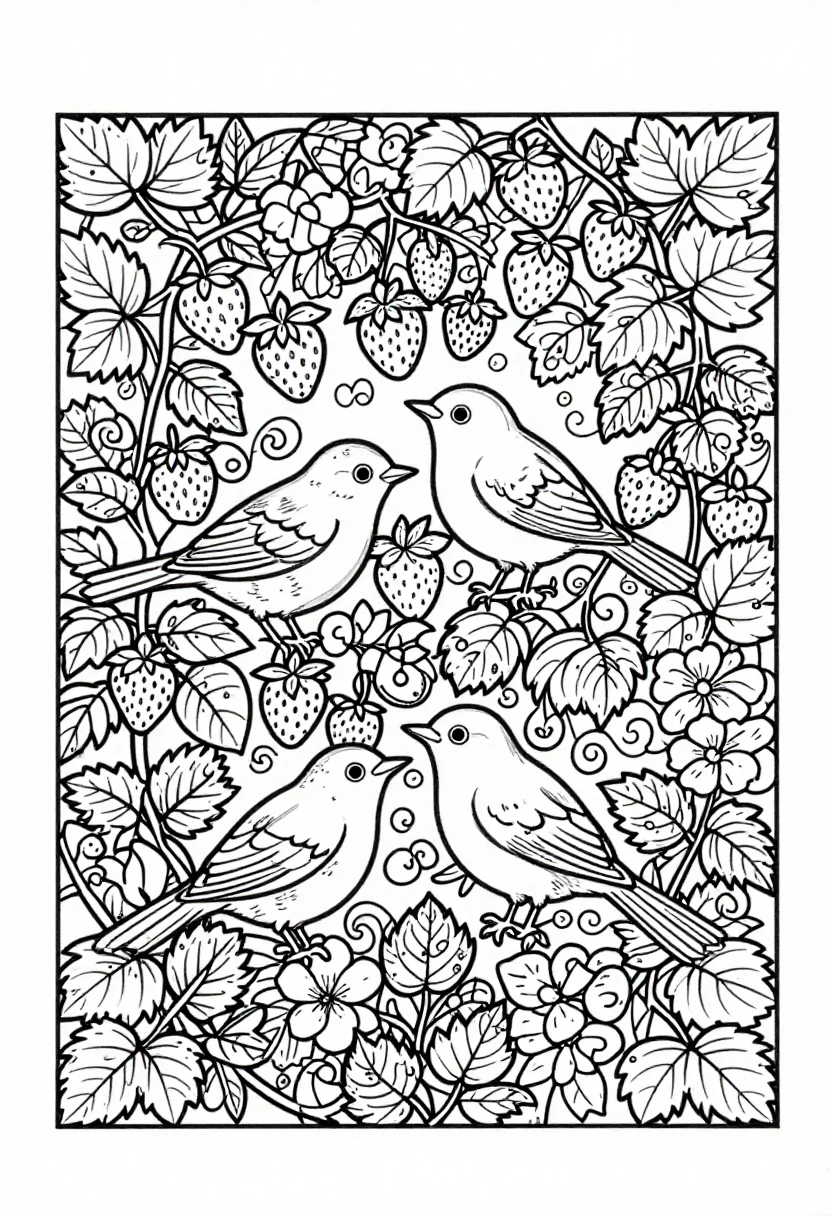

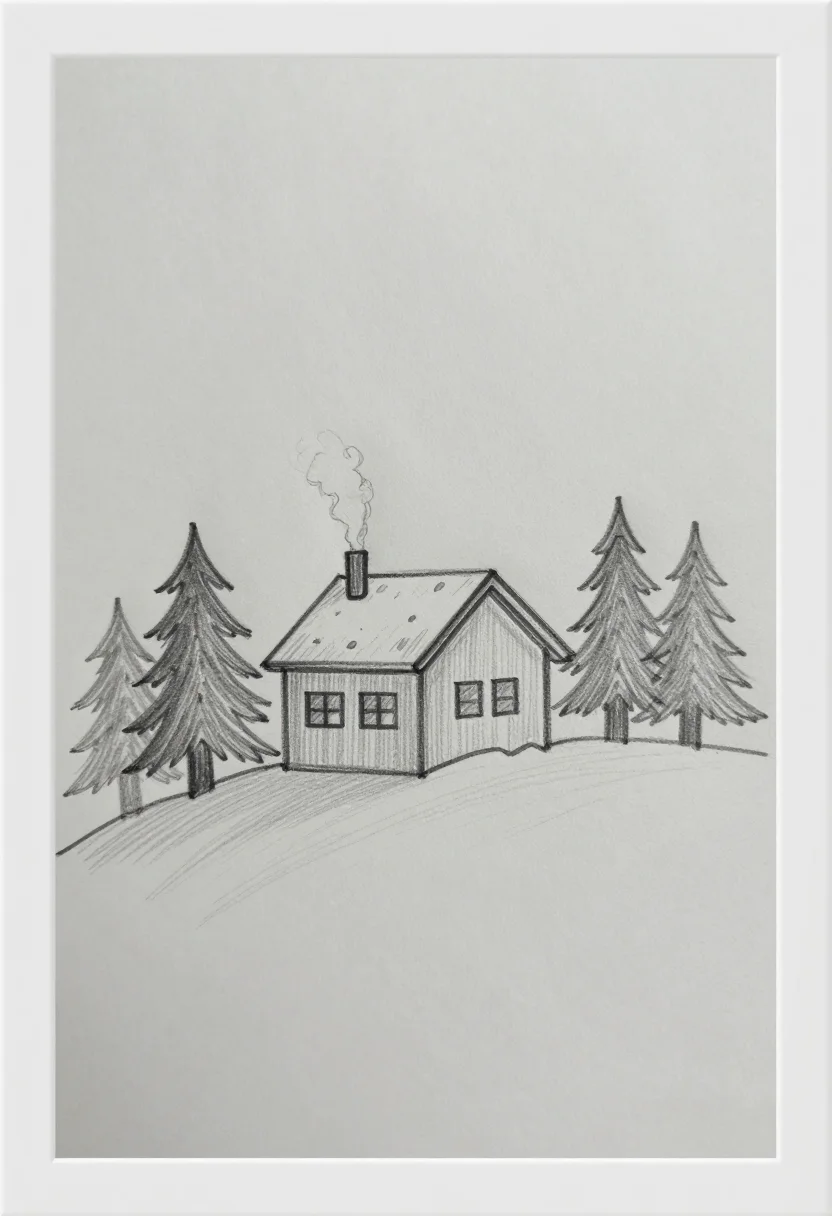
every sample — three subjects, three styles ↓
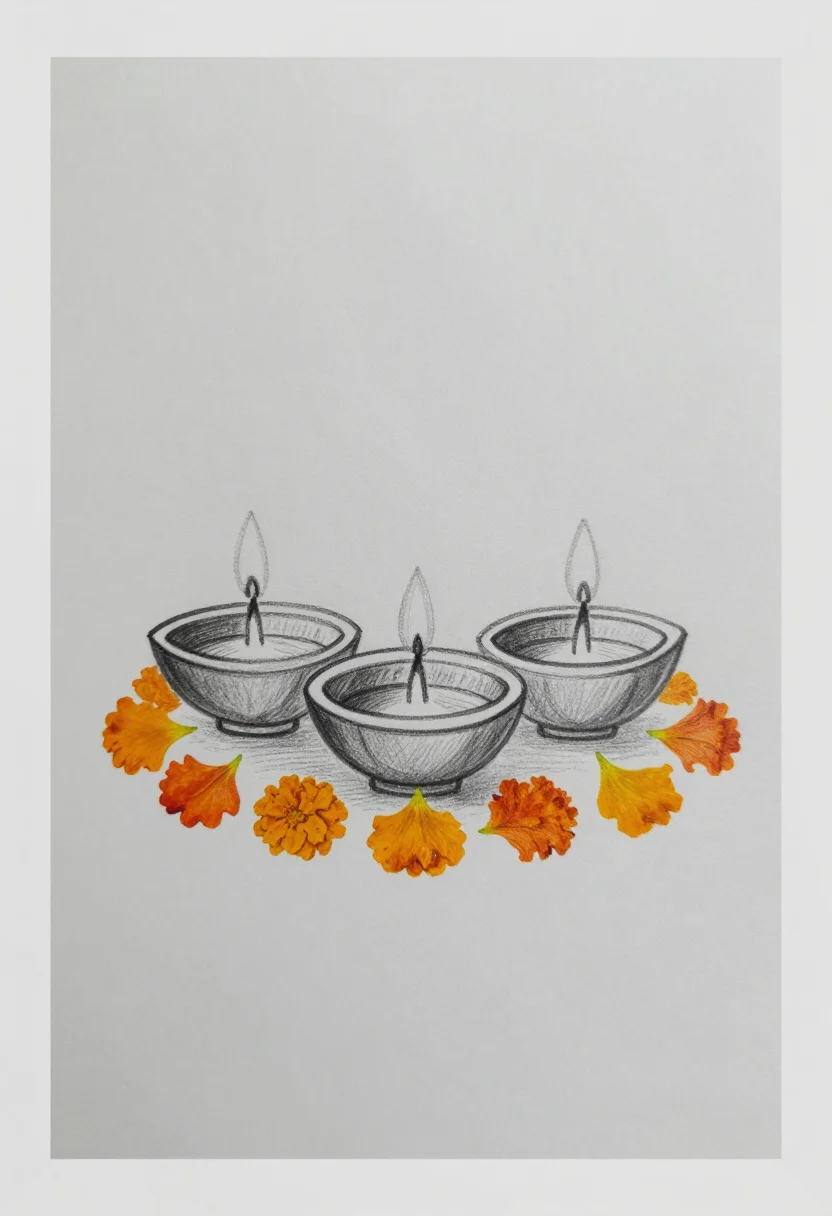
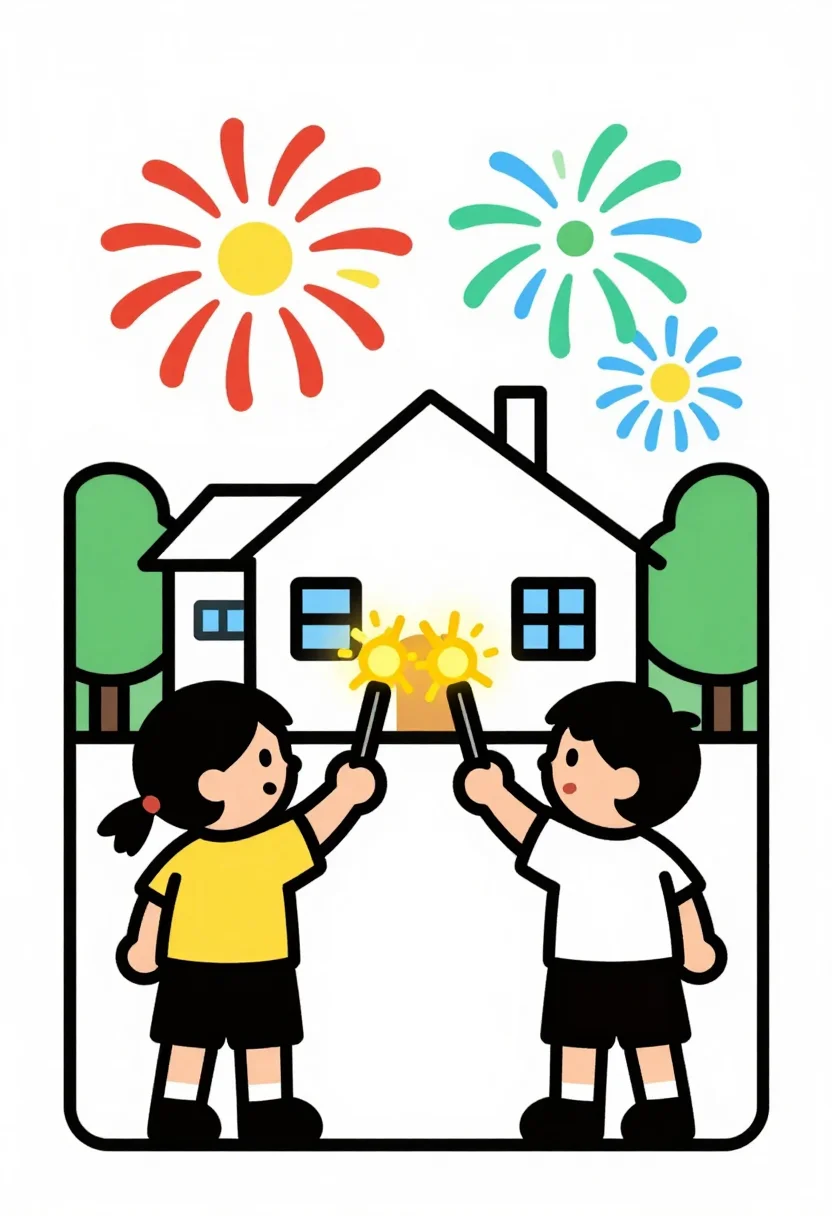
Diwali drawings for a school competition, a festival chart or a card. The set shows three lit diyas on a rangoli with marigold petals, a house with lamps in every window and a lantern at the door, and two children holding sparklers with fireworks above. Each comes in three styles: pencil, colour pencil and outline to colour. Type a change in the direction field, such as a lantern, sweets or a night sky.
- a Diwali poster for a competition
- a festival chart for a class
- a card for the festival of lights
- a classroom display for Diwali
Frequently asked questions
- Can I print these for a school competition?
- Yes. Each picture is a plain drawing on a white background, so it prints on ordinary paper.
- What is the difference between the three styles?
- Pencil sketch is grey shading with no colour. Colour pencil is bright crayon colour. Outline to colour is a bold black line drawing with flat colour inside each shape, easy to fill in.
- Which picture is easiest for a young child?
- The diyas on the rangoli has the fewest parts, with three lamps and simple petal shapes.
- Can I ask for a different picture?
- Yes. Type the change in the direction field. It is a request, so the result may differ from the nine shown.
About toile
This page is a showcase and a starting point: nine samples already rendered, three readings of the pack crossed with three styles, each shown at the size and ratio it was made for. Take any of them further on the wall with a few words, or ask for all nine again under your own direction; a sign-in keeps what you make, and it is free while Toile is new. The recipe behind each sample — the subject, the style, the palette, the framing — travels with the image rather than staying private to the render: it is in the alt text of every sample and in the page's own structured data, so a search engine reads the same handles a person would.