/easter-worksheets · season
Easter worksheets: counting, tracing, writing prompt
Make your ownEaster worksheets
Describe yours. We'll remake the whole pack your way.
More like this
the whole catalog →


every sample — three subjects, three styles ↓
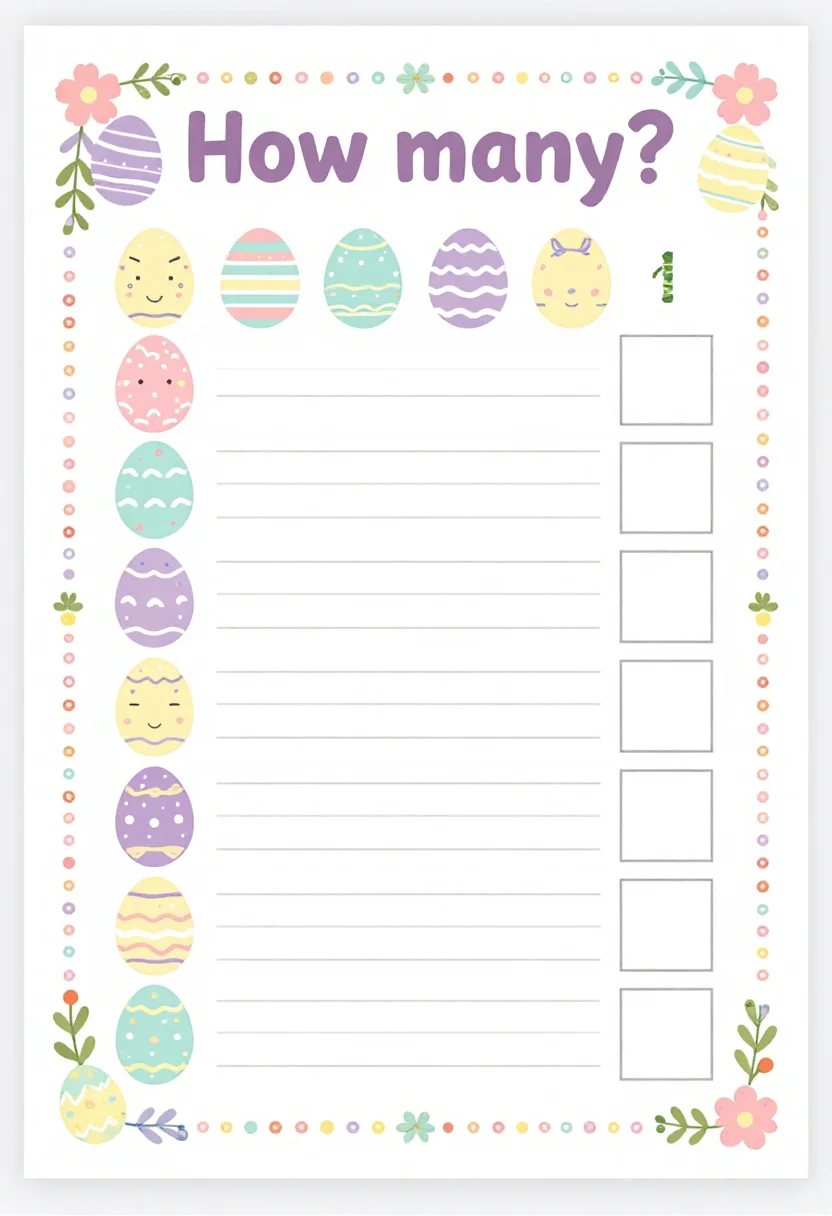
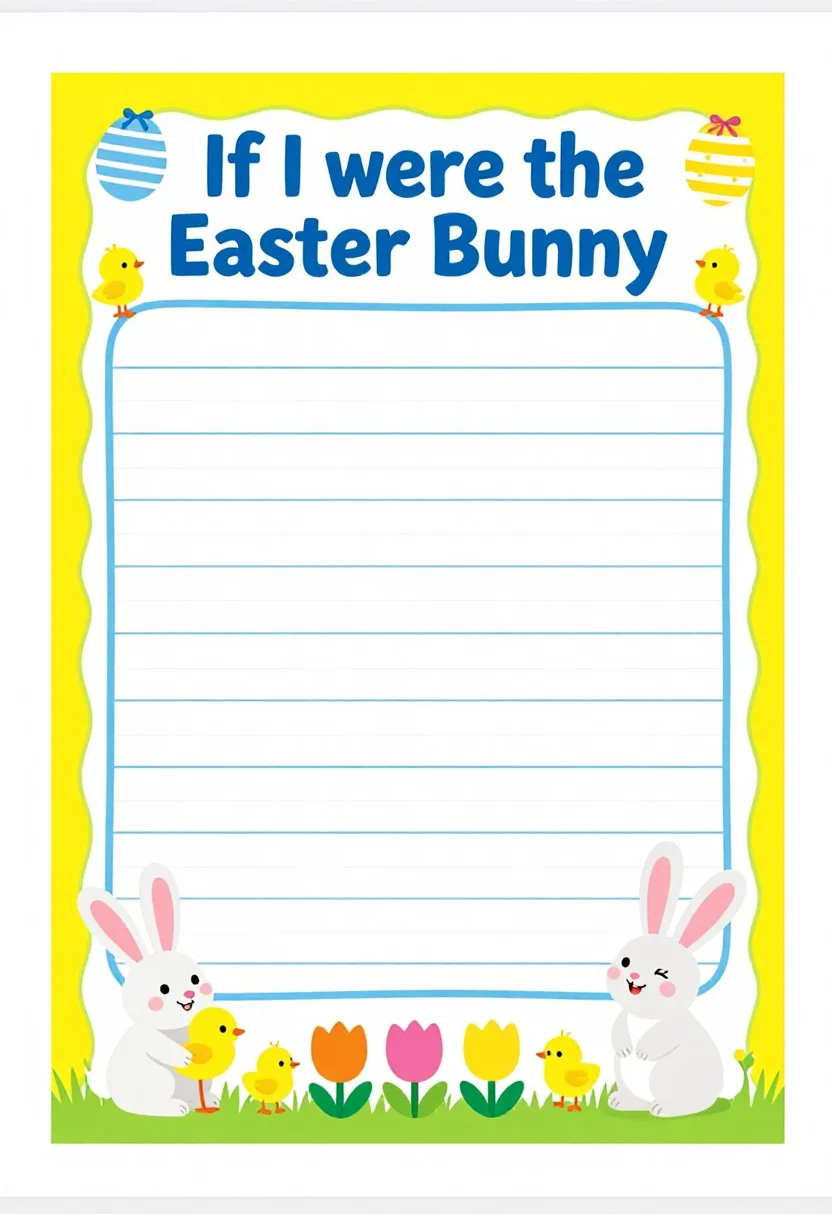
Three Easter worksheets for the classroom or the kitchen table: a counting page, a word-tracing page, and a writing prompt about the Easter Bunny — each rendered in pastel, vintage, and kids' cartoon styles. Every instruction prints exactly as lettered; every practice line stays blank for a pencil. Ask for a farm-animal counting version, cursive tracing lines, or a two-page spread, and the same worksheet grammar carries it.
- a classroom Easter activity
- a homeschool spring unit
- a rainy-day printable for kids
- a Sunday school handout
Frequently asked questions
- What size do these print at?
- Each worksheet is composed as a single vertical page, close to US letter or A4 proportions — print at 100% and check your printer's paper-size setting.
- Are these fillable digital forms, or pages I print and write on?
- They're printed pages: the practice lines and boxes are left blank in the image for a pencil, not editable text fields.
- Can I get a different theme, like farm animals or cursive lines?
- Yes — the direction field takes any variation, including a farm-animal counting version or cursive tracing lines.
- What are the three styles?
- Pastel (soft pink and mint with floral borders), vintage (engraved borders and serif lettering), and kids' (bright cartoon bunnies and chicks).
About toile
This page is a showcase and a starting point: nine samples already rendered, three readings of the pack crossed with three styles, each shown at the size and ratio it was made for. Take any of them further on the wall with a few words, or ask for all nine again under your own direction; a sign-in keeps what you make, and it is free while Toile is new. The recipe behind each sample — the subject, the style, the palette, the framing — travels with the image rather than staying private to the render: it is in the alt text of every sample and in the page's own structured data, so a search engine reads the same handles a person would.