/ebook-covers · screens
Ebook cover design: thriller, romance, non-fiction templates
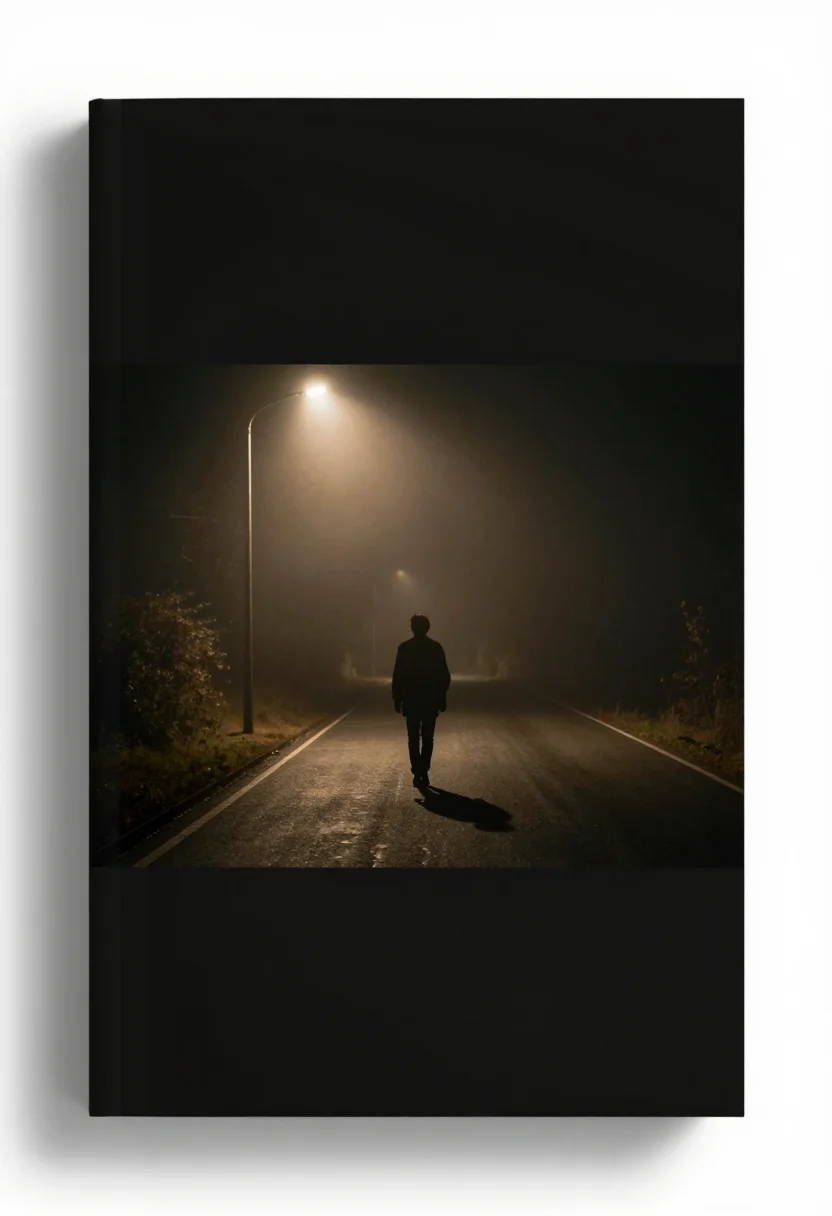
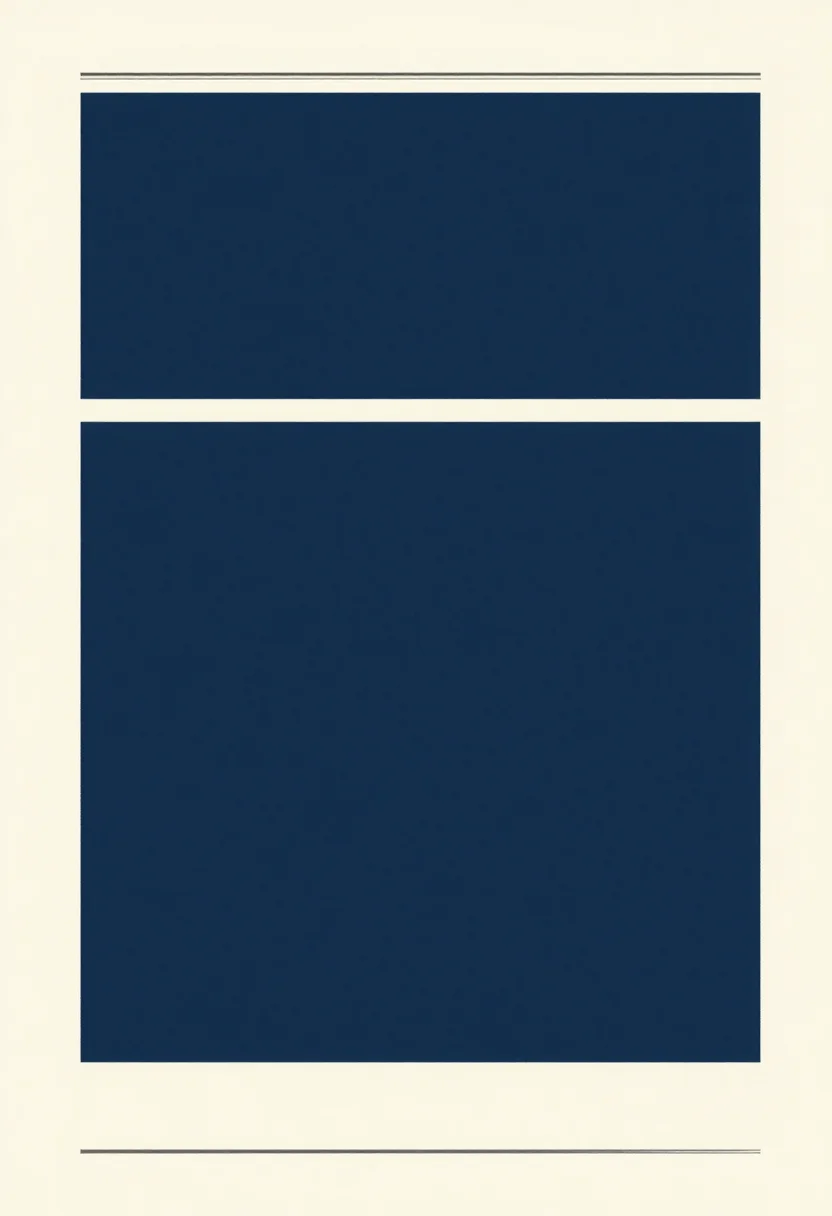
Make your ownE-book covers
Describe yours. We'll remake the whole pack your way.
More like this
the whole catalog →

every sample — three subjects, three styles ↓
An ebook cover is seen mostly as a thumbnail, so it has to read at a glance and carry no words of its own. These nine set a moody thriller scene, a bright romance beach scene, and a minimal non-fiction layout, each as photo, illustrated and typographic-flat, with blank title and author bands left for your own type. Ask for a different genre and the same blank bands carry it.
- a self-published Kindle or ebook cover
- a book cover mockup for a genre novel
- a print-on-demand paperback cover base
- a cover concept to hand to a designer
Frequently asked questions
- Do these come with the title and author name already on them?
- No — every cover leaves a blank title band and a smaller blank author band; add your own type in Canva, Photoshop or your publishing platform's cover tool.
- Will this work as a Kindle Direct Publishing cover?
- The design is a strong starting layout at cover proportions — check KDP's current size and bleed requirements before final upload, since those specs are set by Amazon, not by us.
- Can I request a different genre, like fantasy or self-help?
- Yes — the direction field takes any genre, and the same three styles — photo, illustrated, typographic-flat — render it.
- What's the difference between the three styles?
- Photo is a cinematic photographic cover with color grade; illustrated is bold flat shapes in a bright palette; typographic-flat is a minimal cover built around one shape and clean type blocks.
About toile
This page is a showcase and a starting point: nine samples already rendered, three readings of the pack crossed with three styles, each shown at the size and ratio it was made for. Take any of them further on the wall with a few words, or ask for all nine again under your own direction; a sign-in keeps what you make, and it is free while Toile is new. The recipe behind each sample — the subject, the style, the palette, the framing — travels with the image rather than staying private to the render: it is in the alt text of every sample and in the page's own structured data, so a search engine reads the same handles a person would.