/embroidery-files · cutfiles
Embroidery designs: floral-corner, monogram-frame and patch stitch-outs
Make your ownEmbroidery files
Describe yours. We'll remake the whole pack your way.
More like this
the whole catalog →
every sample — three subjects, three styles ↓
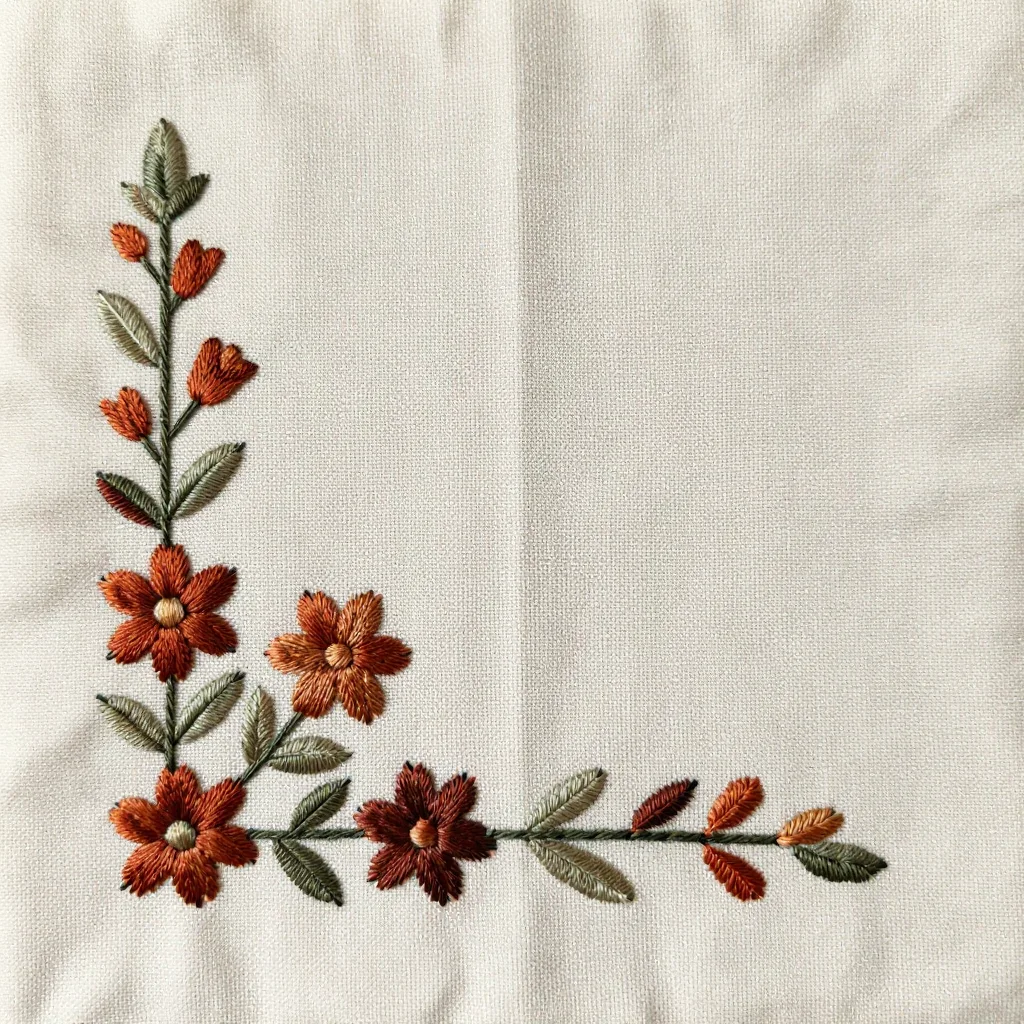
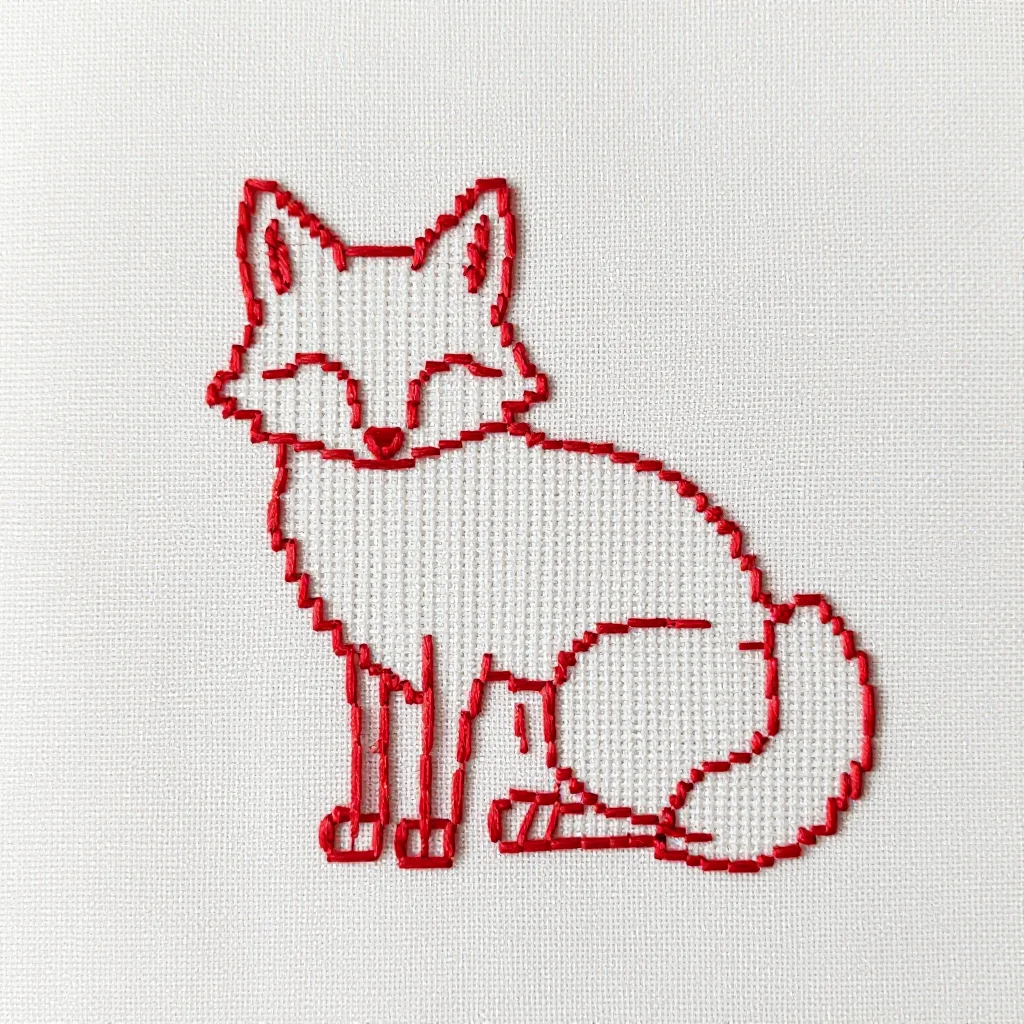
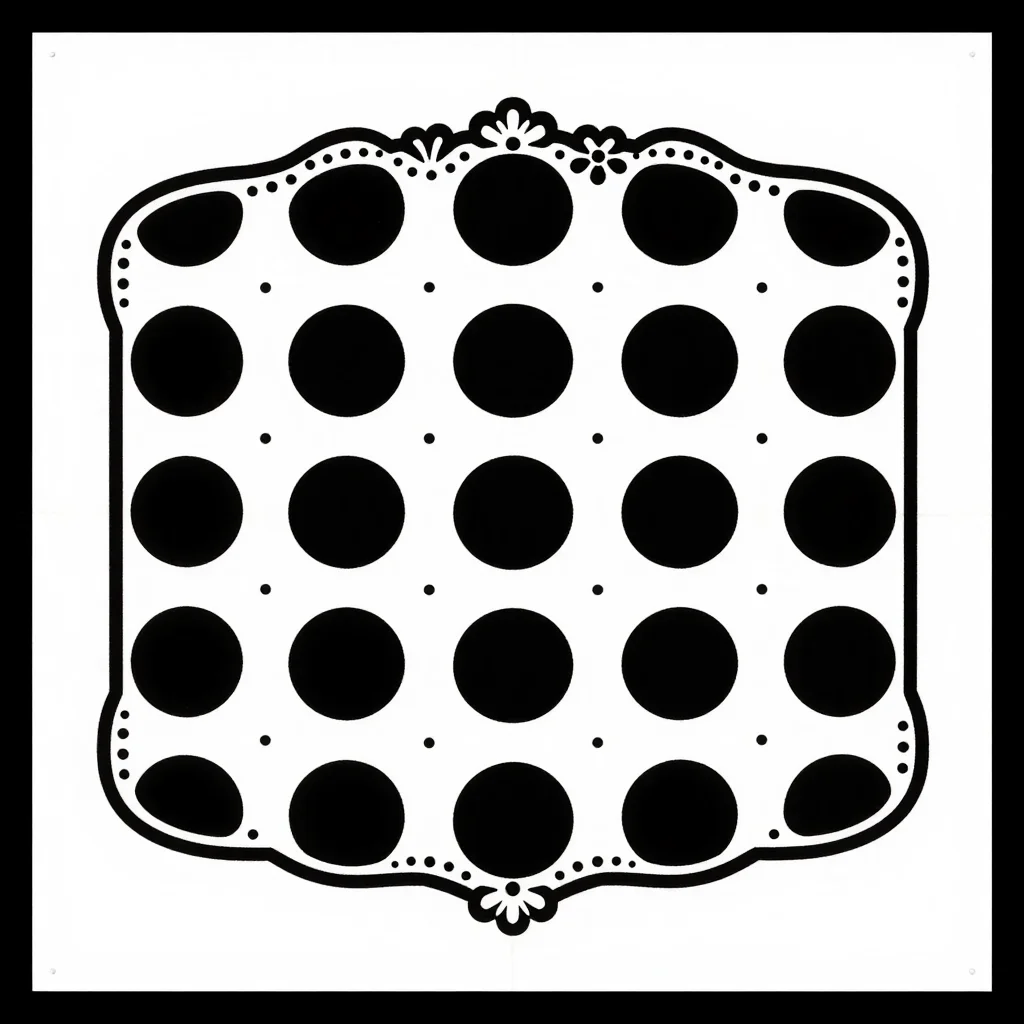
An embroidery design is read by its stitch direction as much as its shape — satin fill catches light one way, cross-hatch fill another. These nine cover a floral corner for a napkin, a monogram frame with a blank centre, and a small animal patch, each shown as a satin-stitch, fill-stitch and redwork stitch-out. Plan the texture, or type a different subject and it draws again.
- a monogrammed napkin or towel set
- a custom patch design
- a linen corner motif
- a redwork sampler piece
- a gift embroidery reference
Frequently asked questions
- Are these embroidery machine files I can stitch from?
- They're stitch-out references — visual guides to a design's shape and stitch texture, useful for planning, not embroidery machine files (.pes/.dst) themselves.
- Does the monogram frame include a letter?
- It ships with a blank centre sized for a monogram — add the initial in your embroidery software before stitching.
- What's redwork?
- A single-colour outline-stitch style, traditionally red thread on white fabric — the third column shows that thinner, linear texture against the fuller satin and fill versions.
- Can I get a different subject in the same three stitch types?
- Yes — type a different subject and the set draws again as satin, fill and redwork.
About toile
This page is a showcase and a starting point: nine samples already rendered, three readings of the pack crossed with three styles, each shown at the size and ratio it was made for. Take any of them further on the wall with a few words, or ask for all nine again under your own direction; a sign-in keeps what you make, and it is free while Toile is new. The recipe behind each sample — the subject, the style, the palette, the framing — travels with the image rather than staying private to the render: it is in the alt text of every sample and in the page's own structured data, so a search engine reads the same handles a person would.