/envelope-templates · craft
Envelope templates: card, money gift, square pocket
Make your ownEnvelope templates
Describe yours. We'll remake the whole pack your way.
More like this
the whole catalog →
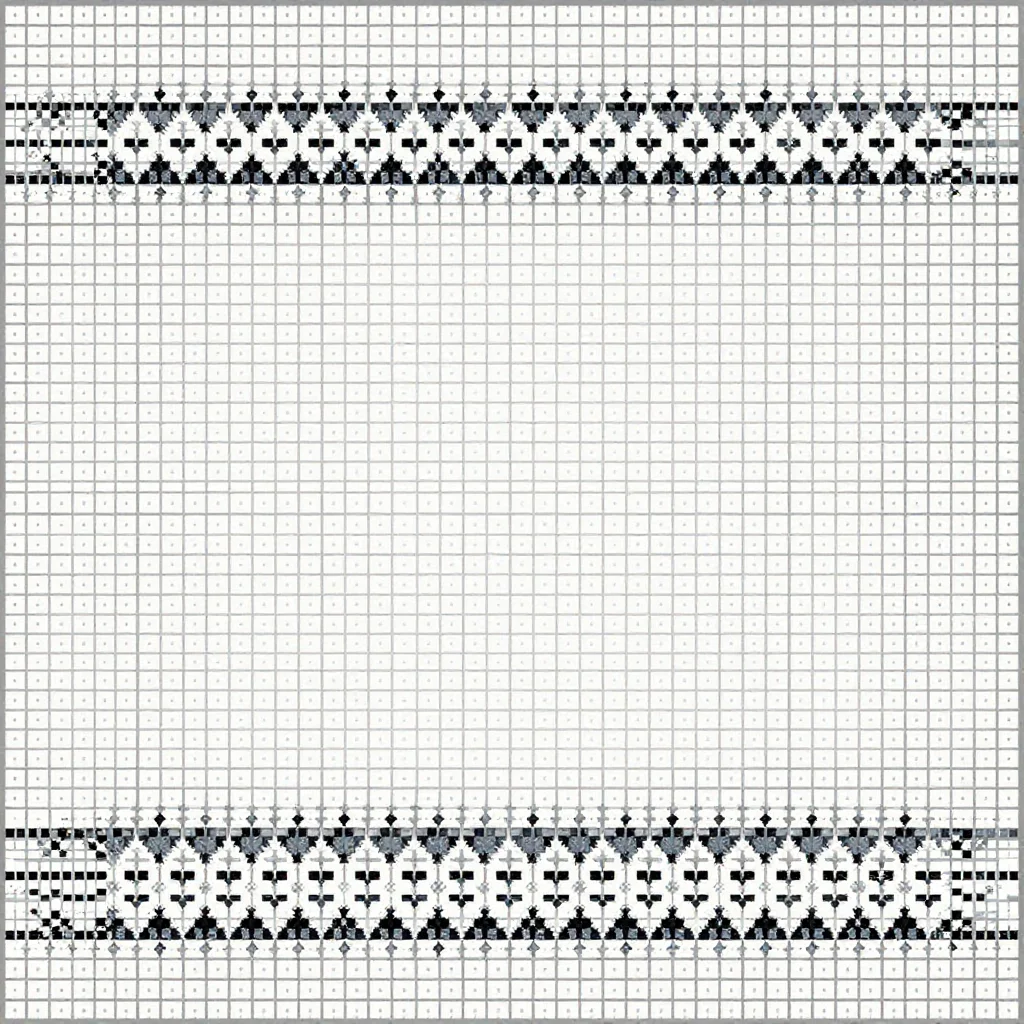
every sample — three subjects, three styles ↓
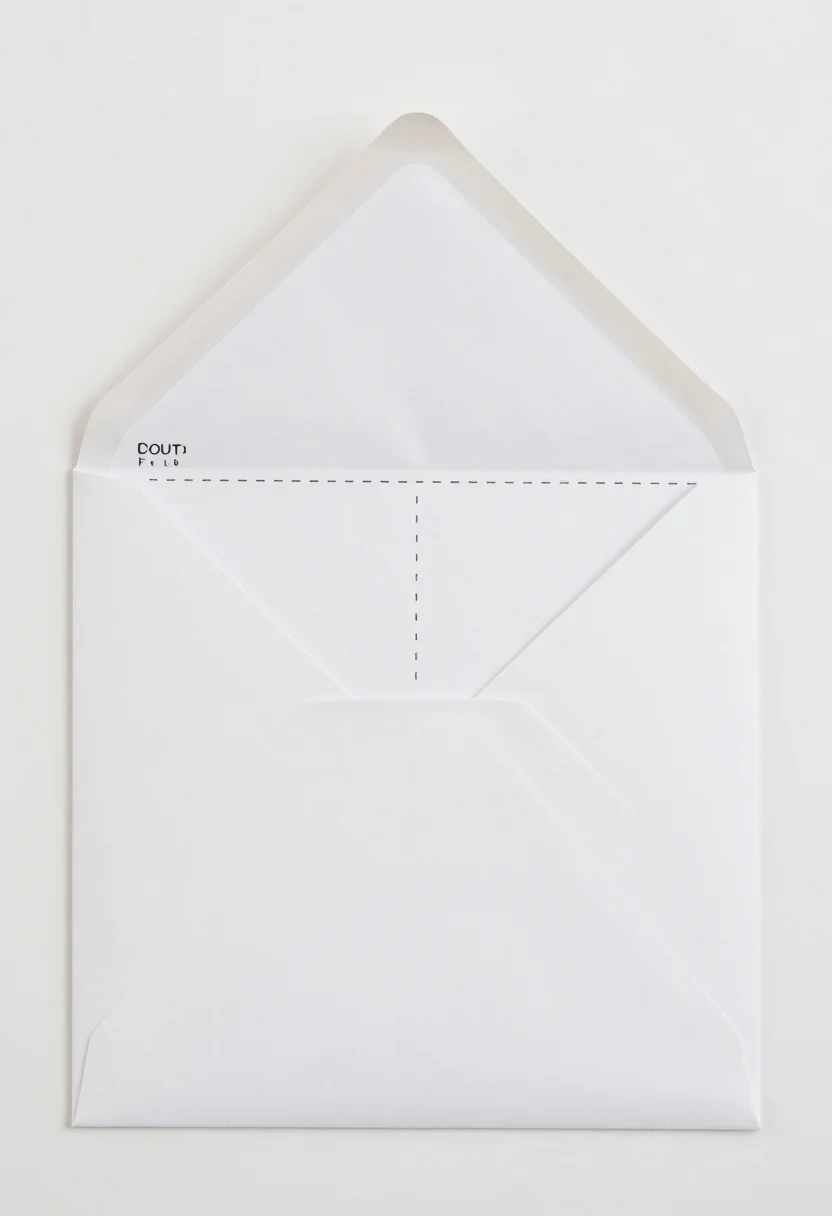
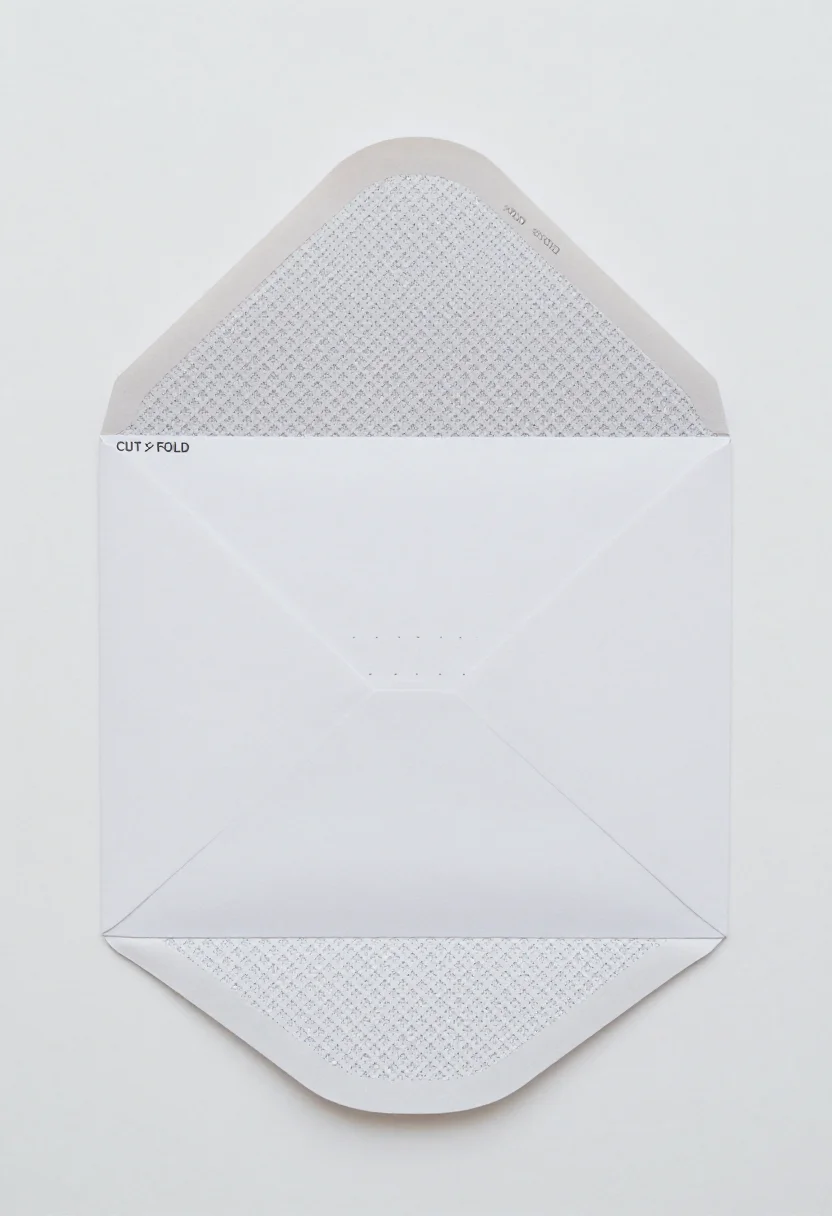
Printable envelope templates for a greeting card, a folded banknote and a small square card. The card envelope is a diamond-shaped net with four flaps. The money envelope is a slim rectangle with a pointed top flap, sized for a folded note. The square pocket tucks its four petal flaps into each other, with no glue. Solid lines are cuts and dashed lines are folds. A different shape you type is a request for the same net style.
- a handmade card with a letter
- a money gift for a birthday or wedding
- a small present tucked inside a card
- a classroom post box activity
Frequently asked questions
- Does the square pocket need glue?
- No. Its four petal flaps fold in and tuck into each other.
- How do I know where the glue goes?
- The card and money envelopes shade the glue edges or the back flaps, so you can see where to add glue.
- What do the three styles change?
- The line version is black outline. The colour-coded version marks cuts in red and folds in blue. The patterned liner prints a small repeat on the inside of the flaps, with the outside left plain white.
About toile
This page is a showcase and a starting point: nine samples already rendered, three readings of the pack crossed with three styles, each shown at the size and ratio it was made for. Take any of them further on the wall with a few words, or ask for all nine again under your own direction; a sign-in keeps what you make, and it is free while Toile is new. The recipe behind each sample — the subject, the style, the palette, the framing — travels with the image rather than staying private to the render: it is in the alt text of every sample and in the page's own structured data, so a search engine reads the same handles a person would.