/environment-day-posters · classroom
World Environment Day posters: a green earth, a child planting a sapling, a school event
Make your ownEnvironment Day posters
Describe yours. We'll remake the whole pack your way.
More like this
the whole catalog →
every sample — three subjects, three styles ↓
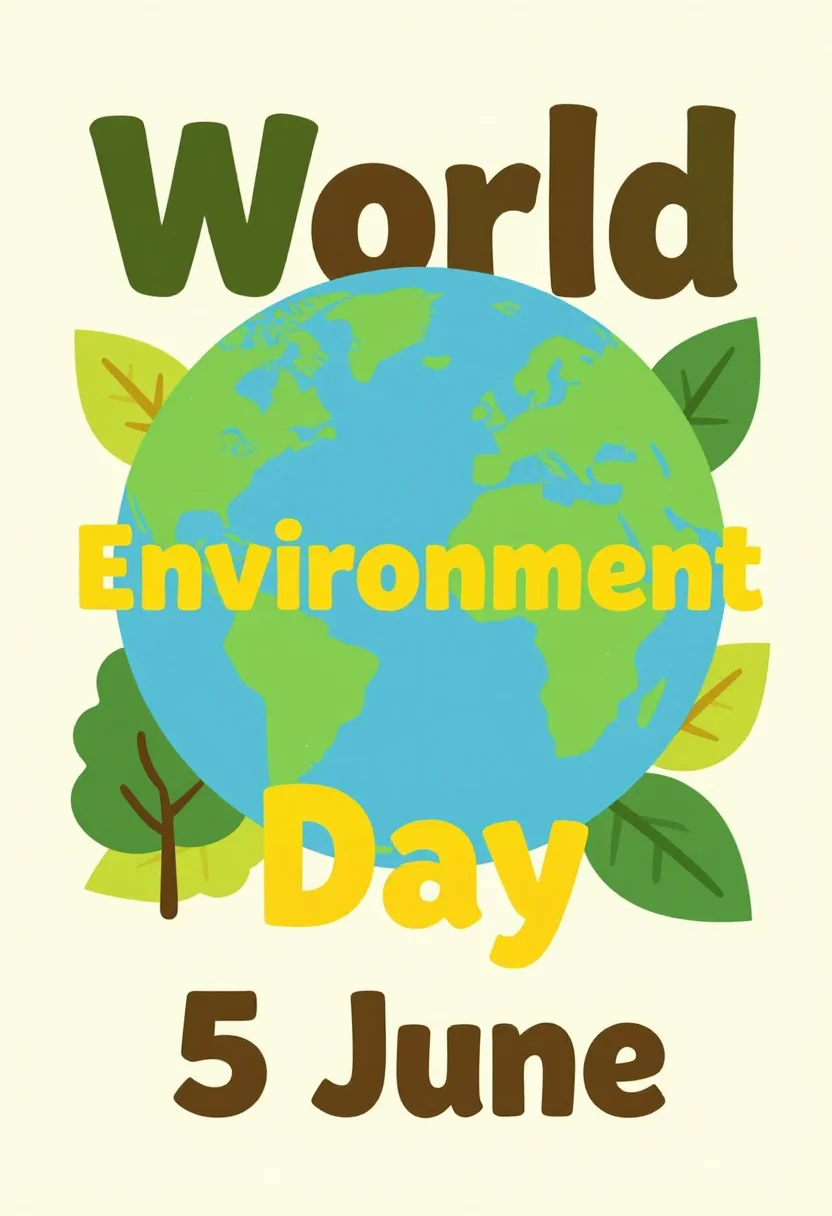
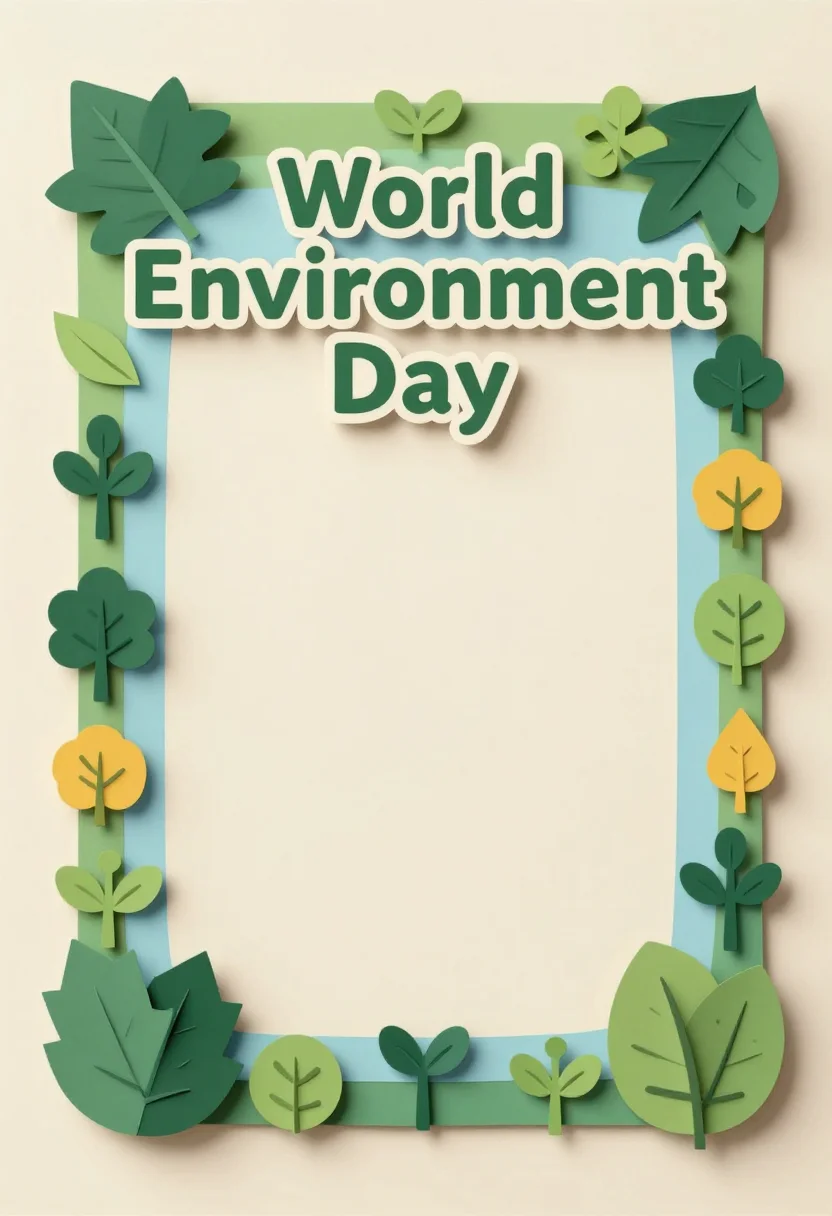
World Environment Day posters for the 5 June assembly or competition, and for schools announcing a plantation drive. Three designs: a green earth with World Environment Day and 5 June lettered on it, a child planting a sapling with the earth behind, and a school event poster with a large blank panel for the details. Each comes in flat vector, crayon and paper cut. Type a direction to ask for a change; it is a request, not a guaranteed result.
- a 5 June assembly
- a plantation drive notice
- a school competition entry
- a classroom board for World Environment Day
Frequently asked questions
- Is the date on the greeting design?
- Yes. 5 June is lettered beneath World Environment Day on the green earth.
- Is the event poster filled in?
- No. Its panel is left blank for the date and the details.
- How do the three styles differ?
- Flat vector uses bold shapes with no outlines. Crayon looks hand-drawn in wax with uneven fills. Paper cut is layered paper with crisp edges and soft shadows between the layers.
About toile
This page is a showcase and a starting point: nine samples already rendered, three readings of the pack crossed with three styles, each shown at the size and ratio it was made for. Take any of them further on the wall with a few words, or ask for all nine again under your own direction; a sign-in keeps what you make, and it is free while Toile is new. The recipe behind each sample — the subject, the style, the palette, the framing — travels with the image rather than staying private to the render: it is in the alt text of every sample and in the page's own structured data, so a search engine reads the same handles a person would.