/evil-eye-tattoos · tattoo
Evil eye tattoo designs: a nazar bead, an open eye, an eye in a moon
Make your ownEvil eye tattoos
Describe yours. We'll remake the whole pack your way.
More like this
the whole catalog →
every sample — three subjects, three styles ↓
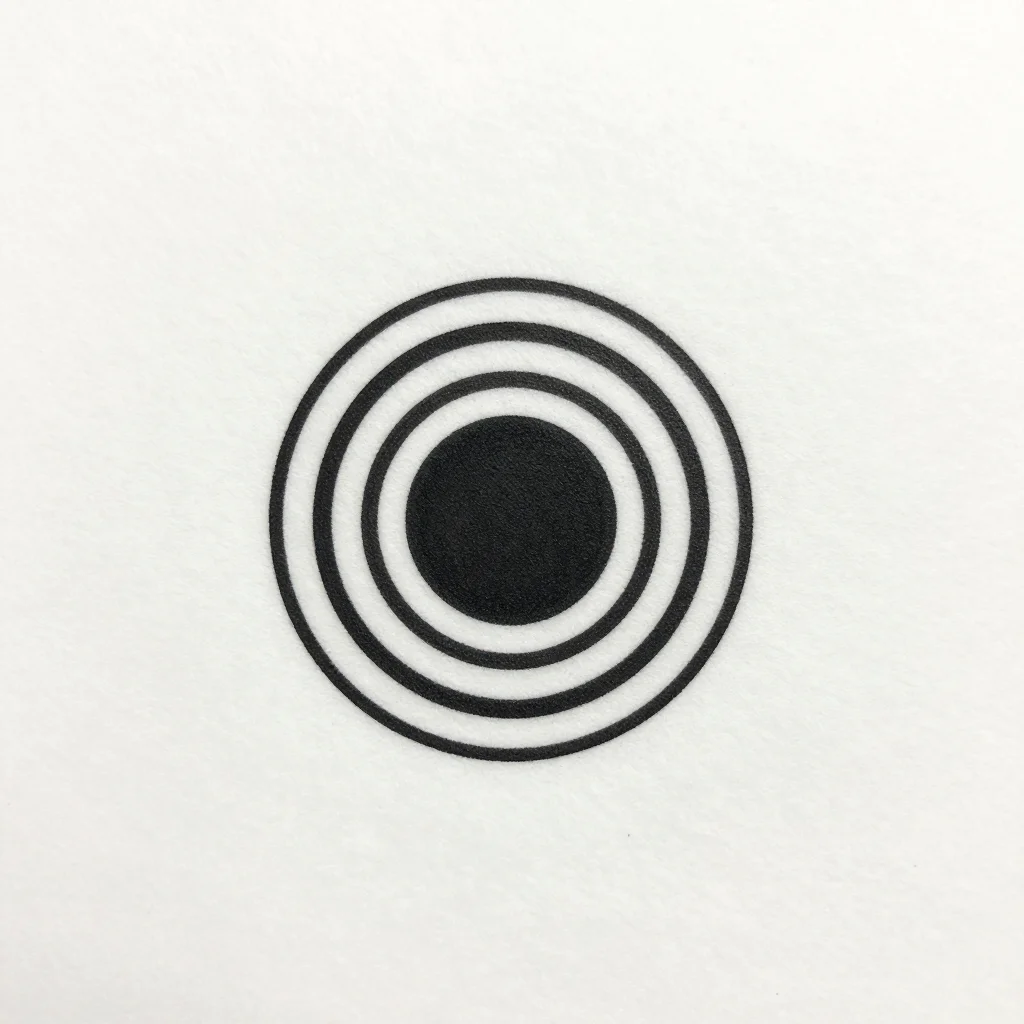
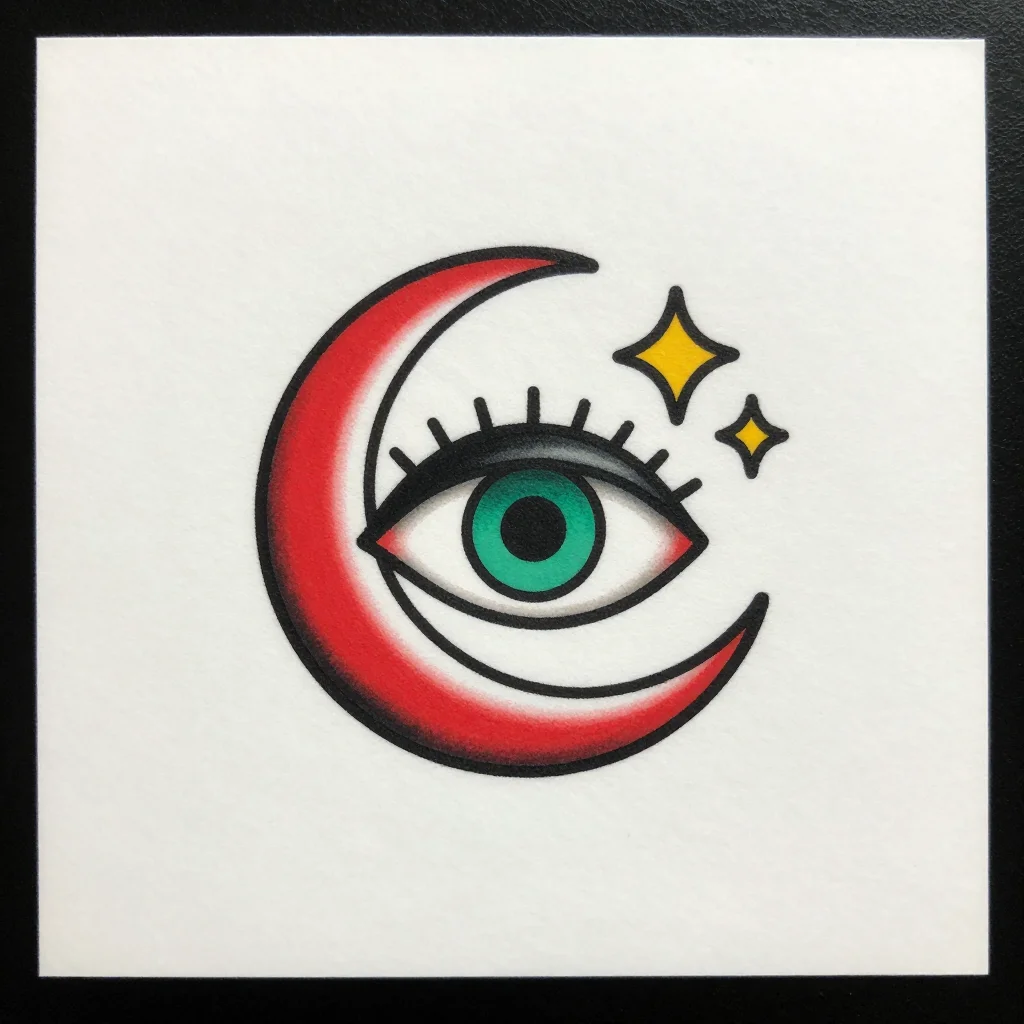
The evil eye, the Turkish and Greek nazar, is worn to turn away envy and harm, often small on the wrist, behind the ear or on the finger. These nine show a round nazar bead, an open eye with long lashes, and a small eye inside a crescent moon. Each is drawn as fine line, dotwork or American traditional. Type a different design or a twist, such as a hamsa beside the bead, and the three styles carry the request.
- a small wrist, ear or finger design to take to an artist
- a charm drawing for a keyring or pendant
- a sticker for a laptop
- a gift card for someone who is starting a new job
Frequently asked questions
- What is in the nine designs?
- A round nazar bead, an open eye with long lashes and rays, and a small eye inside a crescent moon. Each one is drawn in three styles.
- Can I print these?
- Each design sits on a plain white background in dark line work, so it reads clearly on paper.
- What is the difference between the three styles?
- Fine line is one hairline stroke with almost no shading. Dotwork builds its shading from dots. American traditional has bold black outlines, heavy shading and flat red, yellow and green.
- Can I ask for a different subject?
- Yes. Type the subject or twist you want, such as a hamsa beside the bead. The nine shown are samples, and a request is not a promised result.
About toile
This page is a showcase and a starting point: nine samples already rendered, three readings of the pack crossed with three styles, each shown at the size and ratio it was made for. Take any of them further on the wall with a few words, or ask for all nine again under your own direction; a sign-in keeps what you make, and it is free while Toile is new. The recipe behind each sample — the subject, the style, the palette, the framing — travels with the image rather than staying private to the render: it is in the alt text of every sample and in the page's own structured data, so a search engine reads the same handles a person would.