/face-charts · beauty
Face chart: front-facing, three-quarter and contour-map templates
Make your ownFace charts
Describe yours. We'll remake the whole pack your way.
More like this
the whole catalog →
every sample — three subjects, three styles ↓
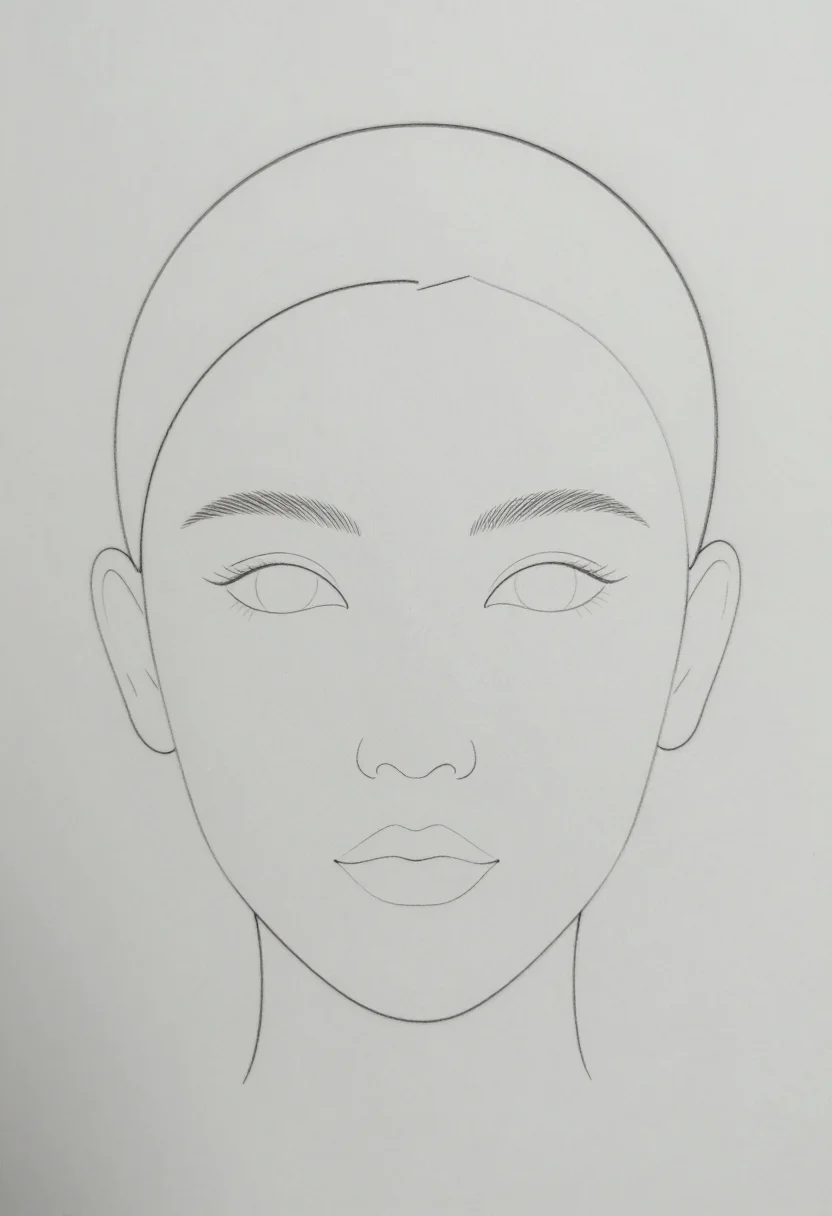
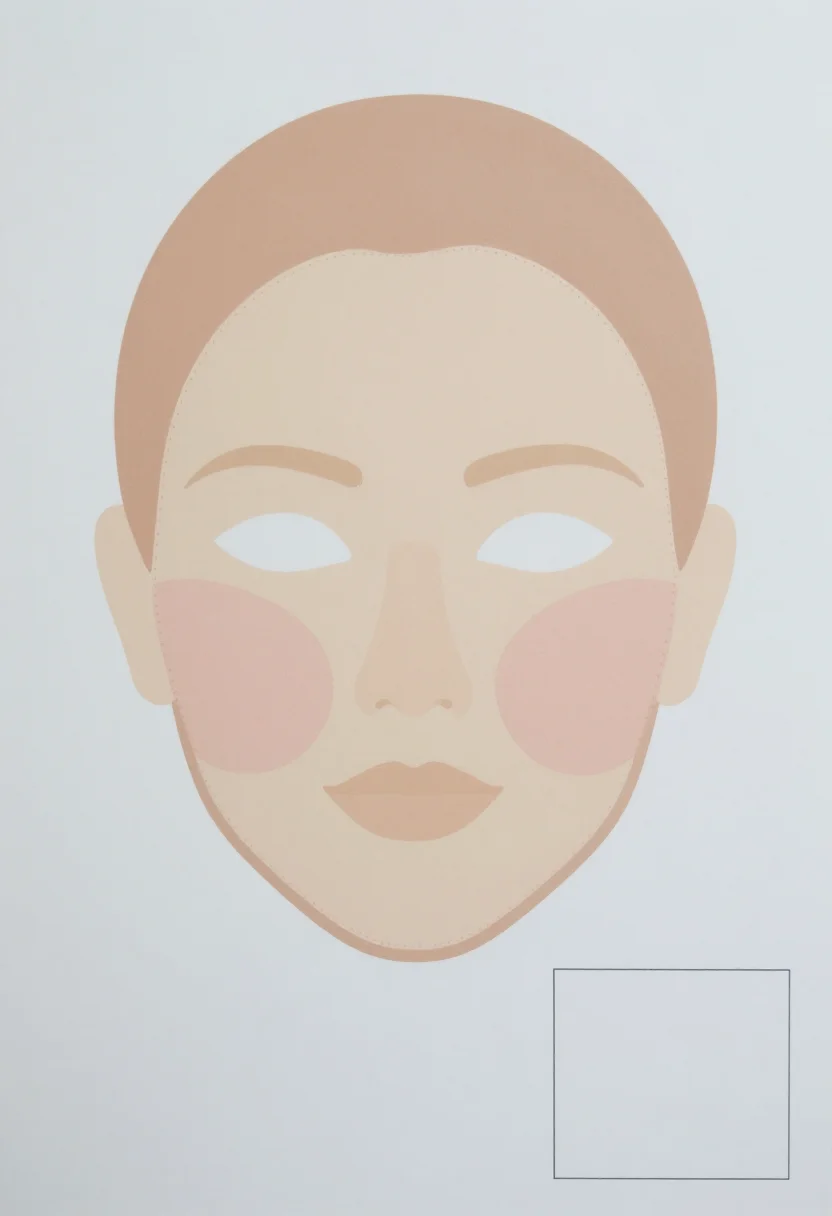
The makeup artist's blank face: a front-facing chart with brows, eyes and lips outlined and the rest left empty, a three-quarter chart, a contour-map chart with zones marked. Each renders in line, soft shaded and pastel, a genuine trade printable of the kind sold in pads for practising a design before it goes on skin. Ask for a different feature emphasis and the same three angles carry it.
- a makeup artist's design-planning template
- a beauty student's practice printable
- a contour placement reference sheet
- a makeup portfolio sketch template
- a study handout for a makeup certification course
Frequently asked questions
- What size do these print at?
- Square proportions (1024 by 1024), sized to print clean on a standard page or card.
- Can I get a different face chart layout?
- Yes — the direction field takes any layout emphasis, and the same three angles — front, three-quarter, contour map — render it.
- Is the chart blank enough to draw a design on?
- Yes — the features are outlined only, leaving the face open for sketching or digitally marking a planned makeup look.
- What's the difference between the three drawing styles?
- Line is a plain vector outline, soft shaded adds gentle tonal shading for depth, and pastel fills the outline with a light colour wash.
About toile
This page is a showcase and a starting point: nine samples already rendered, three readings of the pack crossed with three styles, each shown at the size and ratio it was made for. Take any of them further on the wall with a few words, or ask for all nine again under your own direction; a sign-in keeps what you make, and it is free while Toile is new. The recipe behind each sample — the subject, the style, the palette, the framing — travels with the image rather than staying private to the render: it is in the alt text of every sample and in the page's own structured data, so a search engine reads the same handles a person would.