/fit-india-posters · classroom
Fit India posters: children running, family yoga, a child cycling
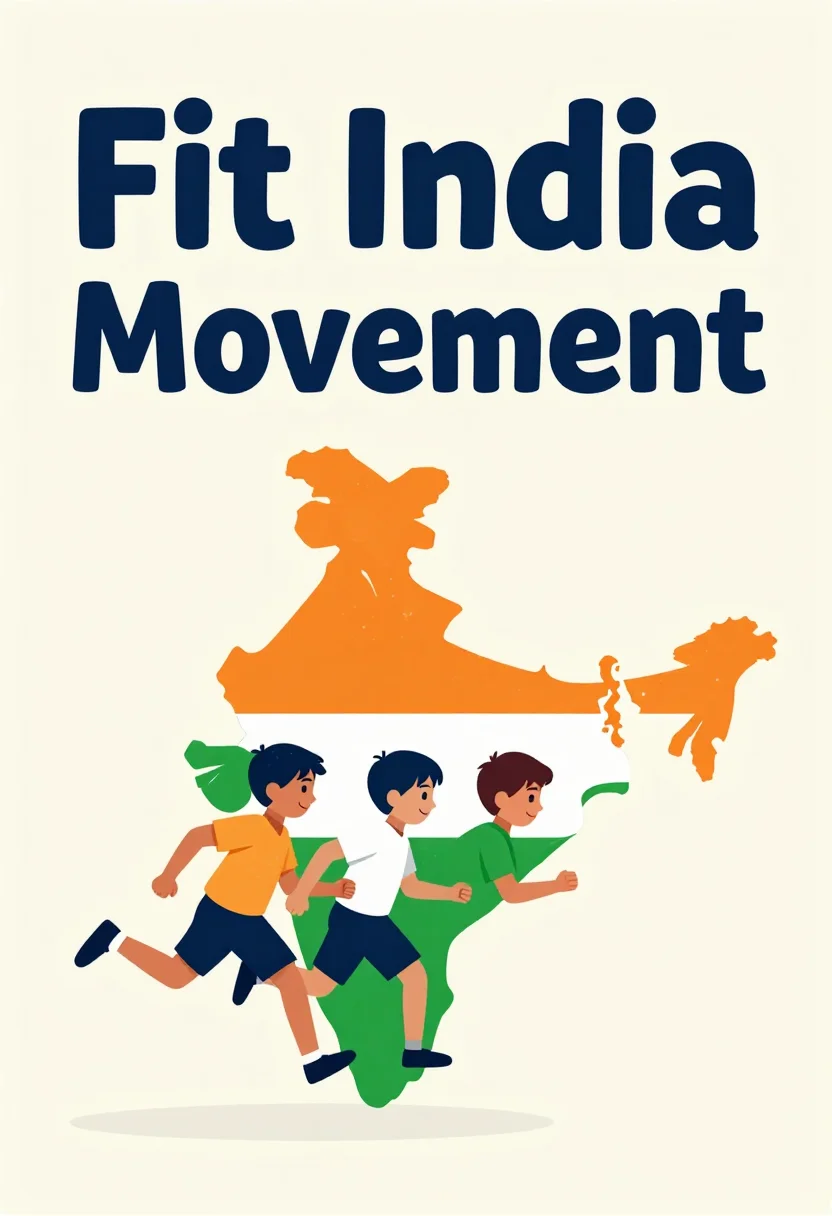

Make your ownFit India posters
Describe yours. We'll remake the whole pack your way.
More like this
the whole catalog →
every sample — three subjects, three styles ↓
Posters for the Fit India Movement, sports day and school competitions. The three scenes are children running together across an outline map of India in tricolour, a family doing yoga on mats in a park at sunrise, and a child on a bicycle with a stopwatch and a water bottle. A direction such as school sports or kabaddi asks for a different activity; the result is a request, not a promised picture.
- a sports day or school fitness poster
- a Fit India Movement classroom display
- a park or society notice board
- a physical education project
Frequently asked questions
- What do the slogans say?
- Fit India Movement runs across the top of the running poster. The yoga poster reads Fitness Ka Dose, Aadha Ghanta Roz, meaning half an hour every day. The cycling poster reads Stay Fit, Stay Healthy.
- How do the three styles differ?
- Flat vector uses bold clean shapes. Crayon looks like a student drawing with uneven strokes on white paper. Cut paper is a layered collage on coloured paper.
- Can I ask for a different activity?
- Yes. A direction such as school sports, kabaddi or for seniors asks for a different activity. It is a request, so the result may differ from the samples.
- Are the slogans spelled correctly?
- Each slogan is lettered as quoted in the pack. Check the spelling on the sample you choose before you print it.
About toile
This page is a showcase and a starting point: nine samples already rendered, three readings of the pack crossed with three styles, each shown at the size and ratio it was made for. Take any of them further on the wall with a few words, or ask for all nine again under your own direction; a sign-in keeps what you make, and it is free while Toile is new. The recipe behind each sample — the subject, the style, the palette, the framing — travels with the image rather than staying private to the render: it is in the alt text of every sample and in the page's own structured data, so a search engine reads the same handles a person would.