/flower-cross-stitch-patterns · craft
Flower cross stitch patterns: a wildflower wreath, a rose, a vase of tulips
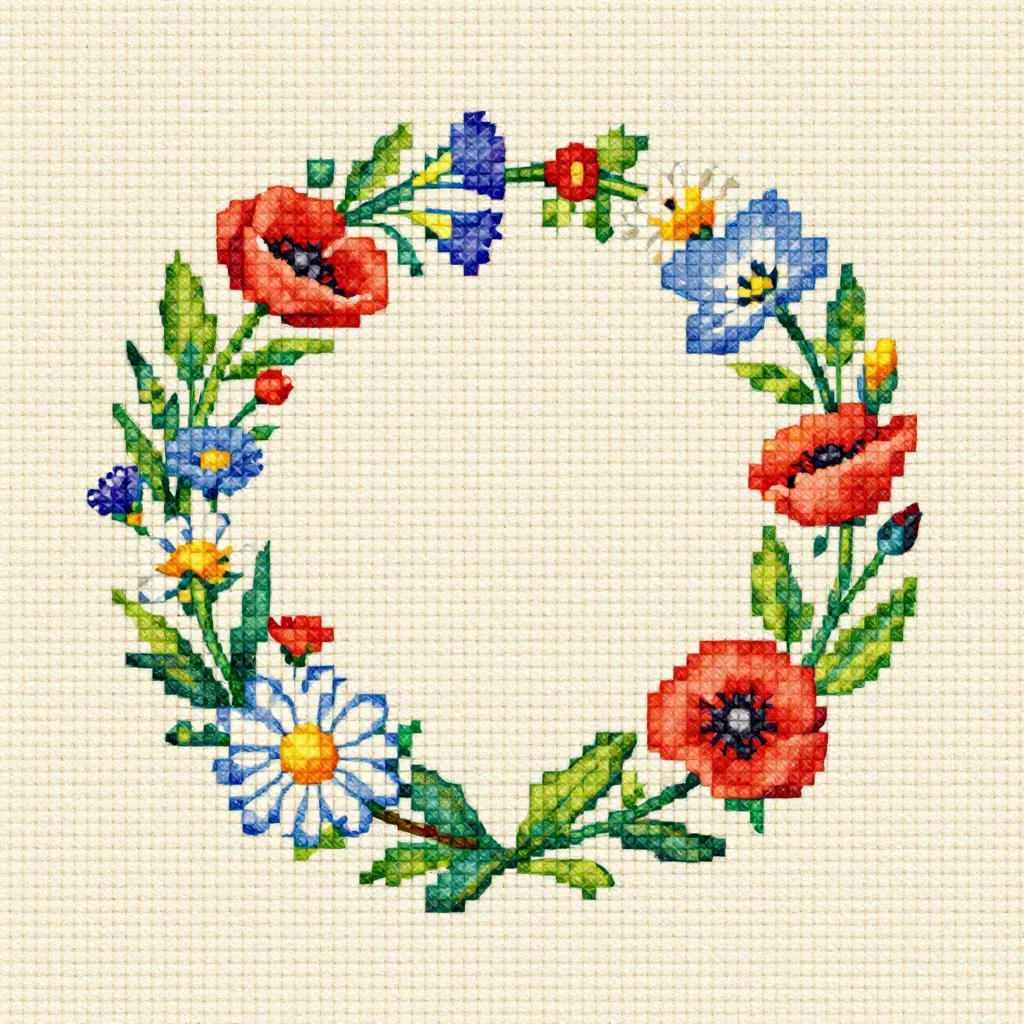

Make your ownFlower cross stitch patterns
Describe yours. We'll remake the whole pack your way.
More like this
the whole catalog →
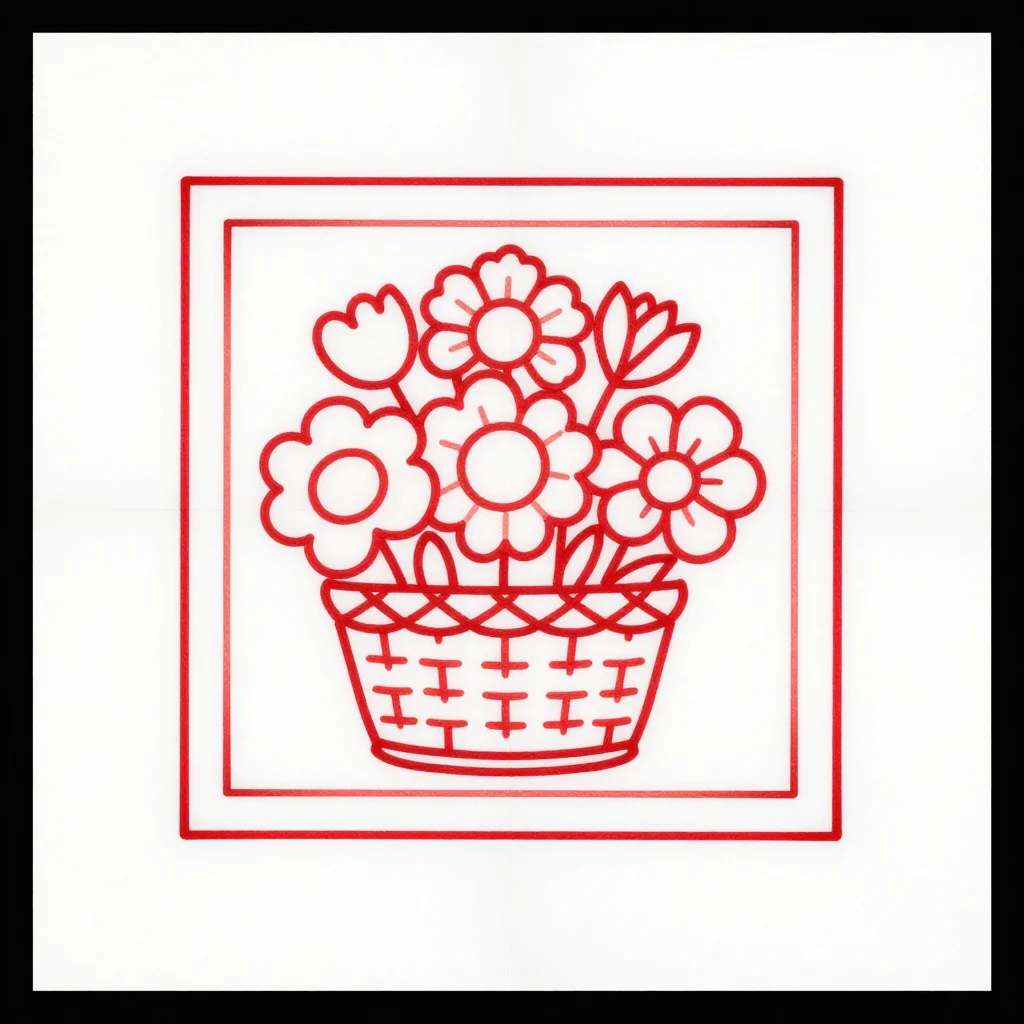
every sample — three subjects, three styles ↓
Flowers are what most stitchers make first, for a hoop, a cushion or a gift. This pack has three charts: a round wildflower wreath, a single red rose in four shades, and a vase of tulips. Each comes as a classic counted chart on cream fabric, an antique sampler inside a stitched border, and a bold modern version. Type a different flower or a twist, such as a fox or blue and gold, and the same three styles carry it.
- a hoop for a living room wall
- a cushion cover
- a gift for a gardener or a new home
- a frame for a bedroom or hallway
Frequently asked questions
- What are the nine pictures?
- Three flower subjects, each in three styles: a wildflower wreath, a single rose and a vase of tulips, as classic charts, antique samplers and bold modern charts.
- What is the difference between the three styles?
- The classic chart uses small X stitches on a visible grid in eight to twelve thread colours. The antique sampler uses muted thread colours inside a stitched border. The bold modern version uses saturated flat colours and simplified shapes.
- Can I ask for a different flower?
- Yes. Type a subject or a twist in the direction field and the three styles are applied to it. What you type is a request, so the picture may differ from the samples.
About toile
This page is a showcase and a starting point: nine samples already rendered, three readings of the pack crossed with three styles, each shown at the size and ratio it was made for. Take any of them further on the wall with a few words, or ask for all nine again under your own direction; a sign-in keeps what you make, and it is free while Toile is new. The recipe behind each sample — the subject, the style, the palette, the framing — travels with the image rather than staying private to the render: it is in the alt text of every sample and in the page's own structured data, so a search engine reads the same handles a person would.