/folk-art · style
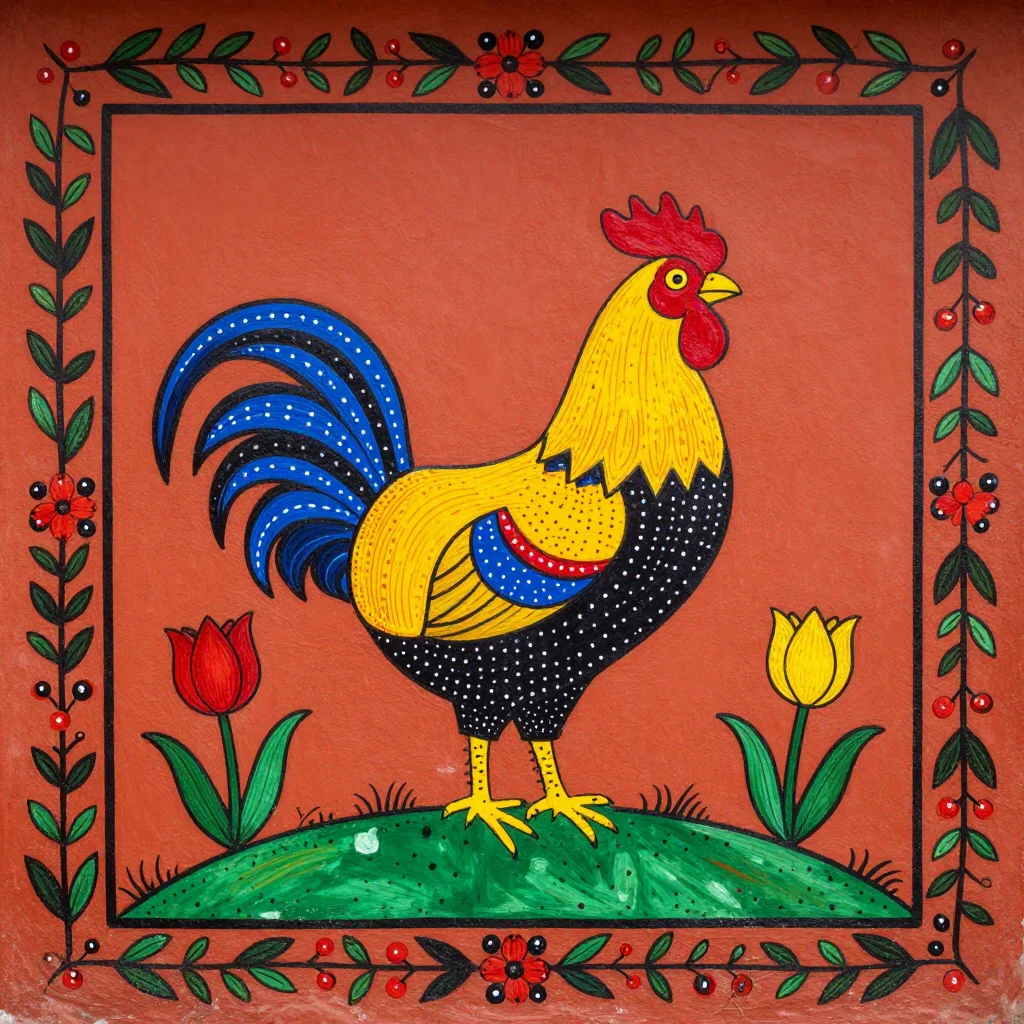
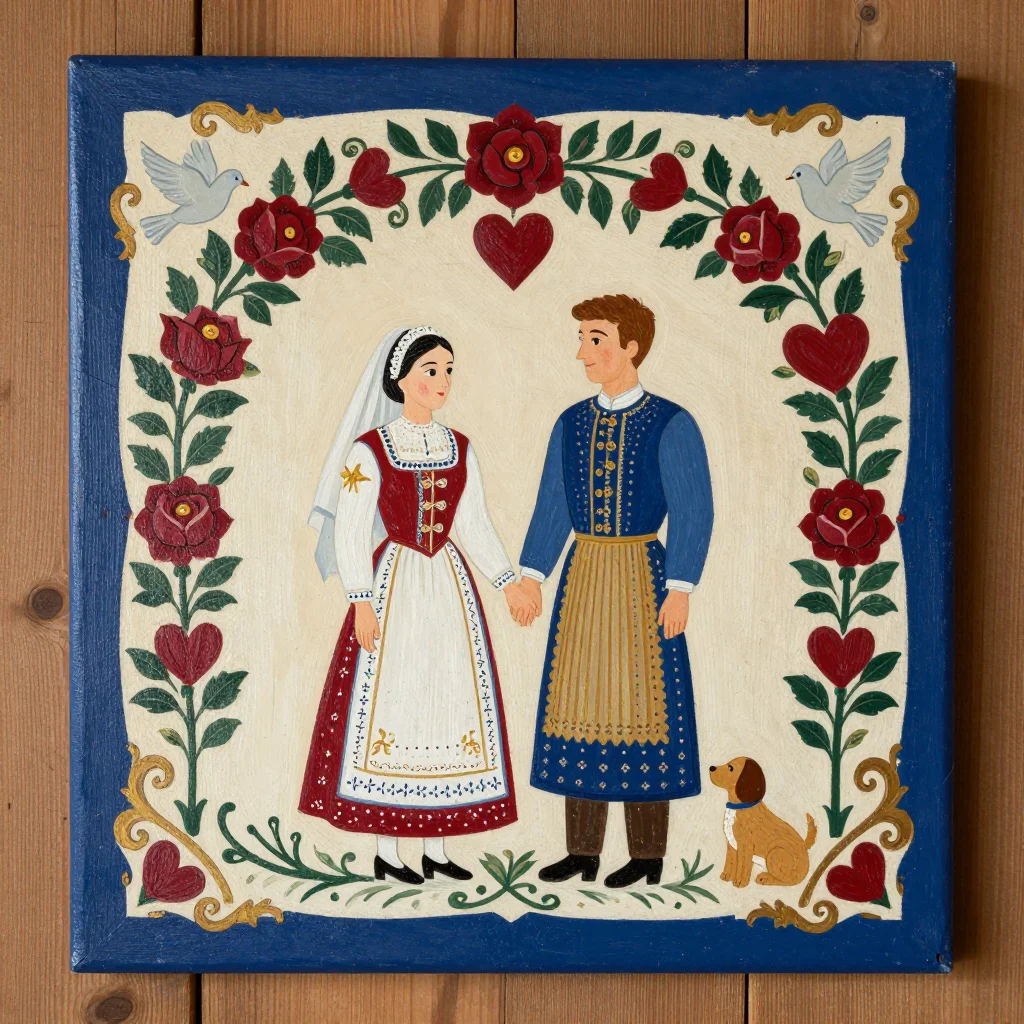
Folk art: a rooster, a tree of life and a wedding couple
Make your ownFolk art
Describe yours. We'll remake the whole pack your way.
More like this
the whole catalog →

every sample — three subjects, three styles ↓
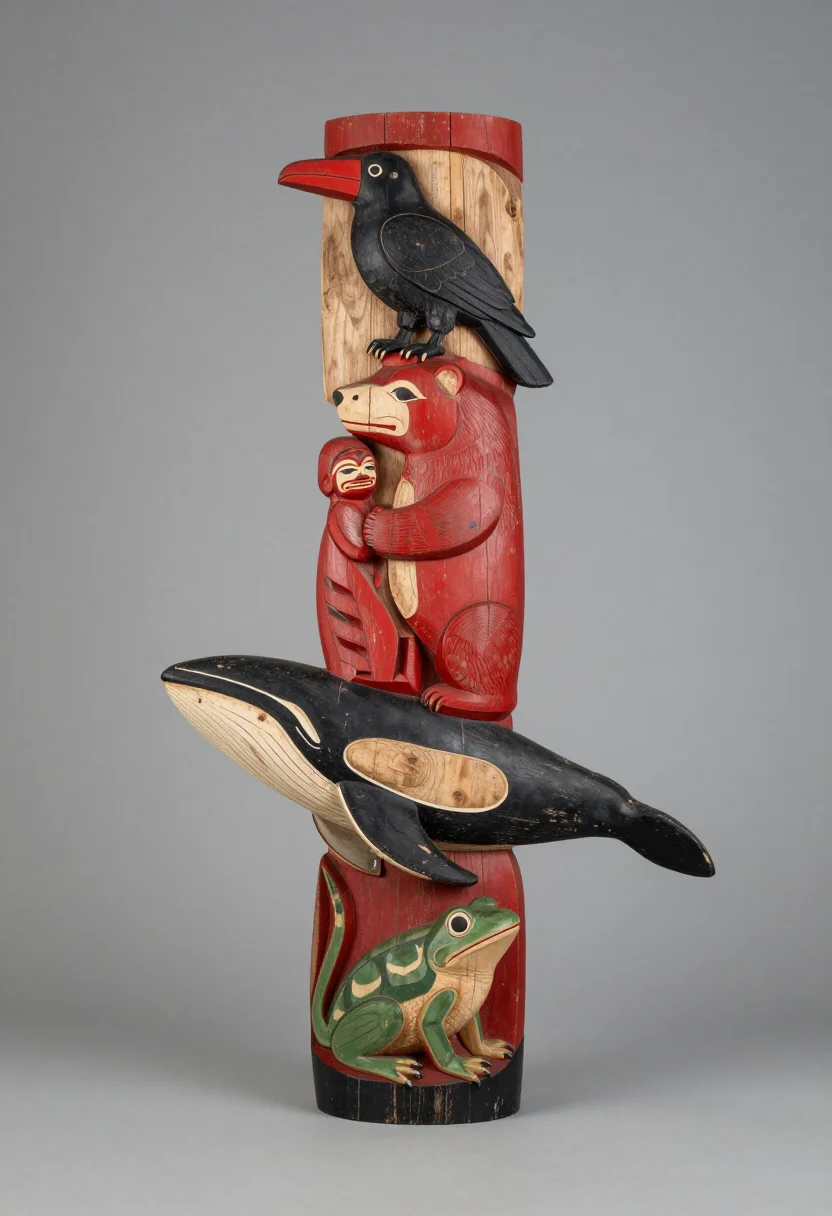
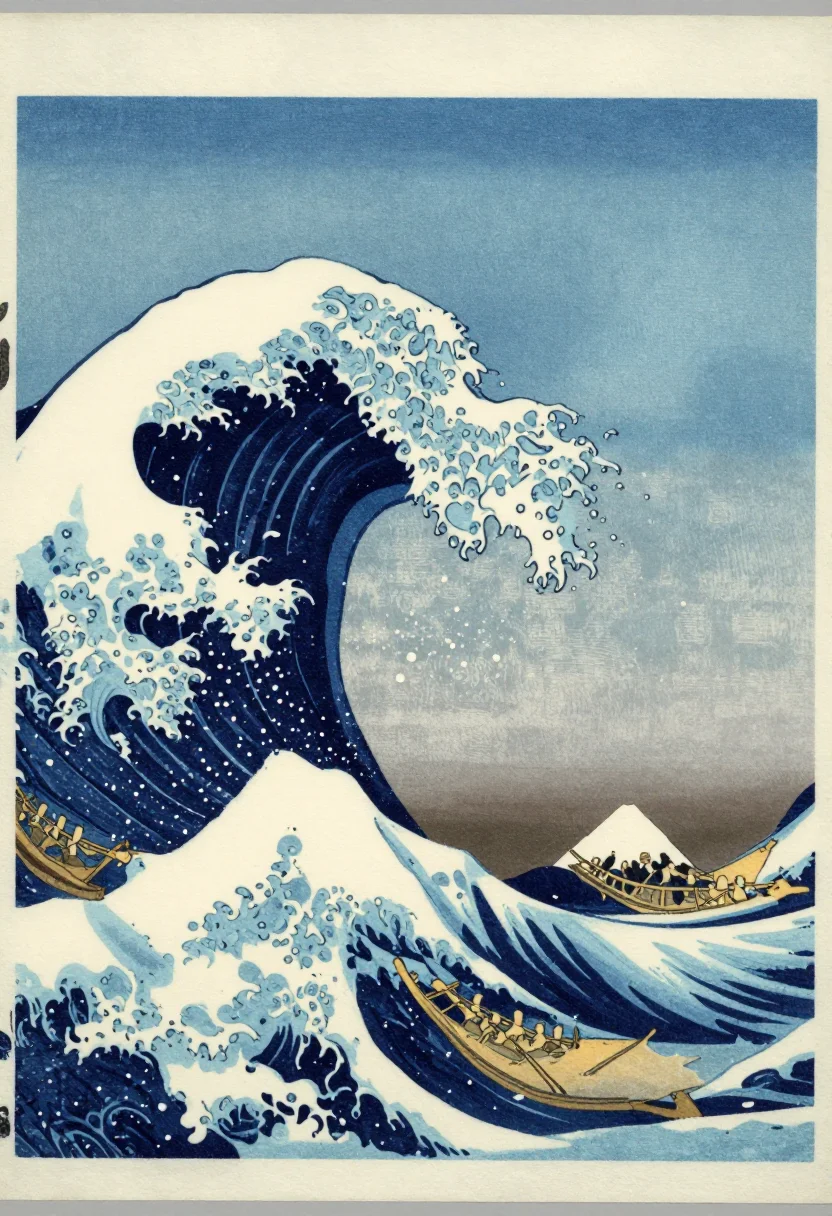
Folk art is painted by hand for a village wall or a dowry chest — flat bold shapes, symmetrical borders, the same motifs on every continent. These nine cross a proud rooster, a symmetrical tree of life and a wedding couple, rendered as Indian Madhubani painting, Mexican Otomi embroidery style and Norwegian rosemaling. Ask for your own motif and the same three traditions paint it.
- a tea towel or textile design
- an alphabet or lettering set
- a Christmas ornament or seasonal design
- a gift print in a warm, folk register
Frequently asked questions
- What size do these print at?
- Each image is drawn in a clean square (1024×1024) — prints centered on A4 with a margin, or fits a square frame.
- Can I use my own subject instead of the three shown?
- Yes — that's what the direction field on the page is for. Type your own idea and the same three hands draw it in the same three styles.
- Can I get an alphabet or a different motif?
- Yes — type your own motif (a folk-art alphabet is the built-in example) and the same three traditions paint it.
- Is this real historical artwork, or new images?
- These are new images drawn in the spirit of Indian Madhubani painting, Mexican Otomi embroidery design and Norwegian rosemaling — not scans or reproductions of existing work.
About toile
This page is a showcase and a starting point: nine samples already rendered, three readings of the pack crossed with three styles, each shown at the size and ratio it was made for. Take any of them further on the wall with a few words, or ask for all nine again under your own direction; a sign-in keeps what you make, and it is free while Toile is new. The recipe behind each sample — the subject, the style, the palette, the framing — travels with the image rather than staying private to the render: it is in the alt text of every sample and in the page's own structured data, so a search engine reads the same handles a person would.