/food-diaries · planner
Food diary: daily by meal, weekly grid, food and symptoms
Make your ownFood diaries
Describe yours. We'll remake the whole pack your way.
More like this
the whole catalog →
every sample — three subjects, three styles ↓
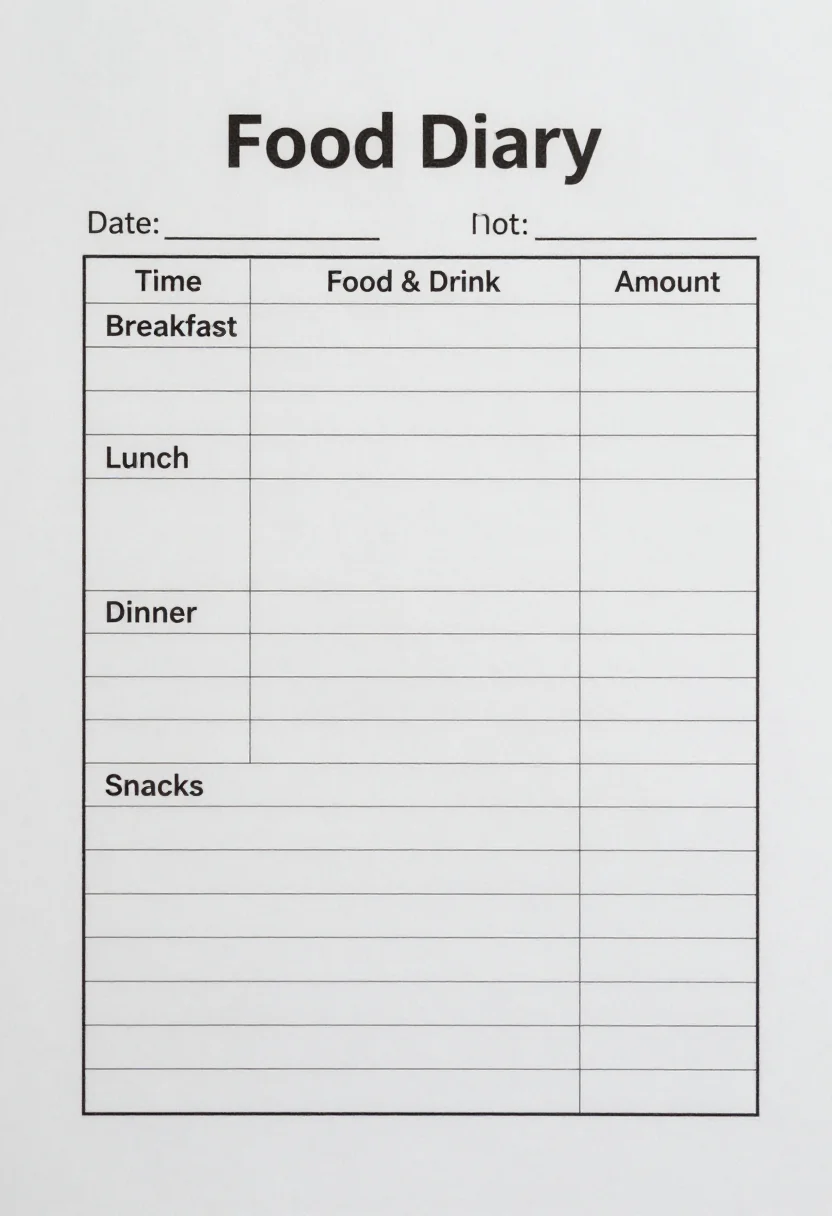
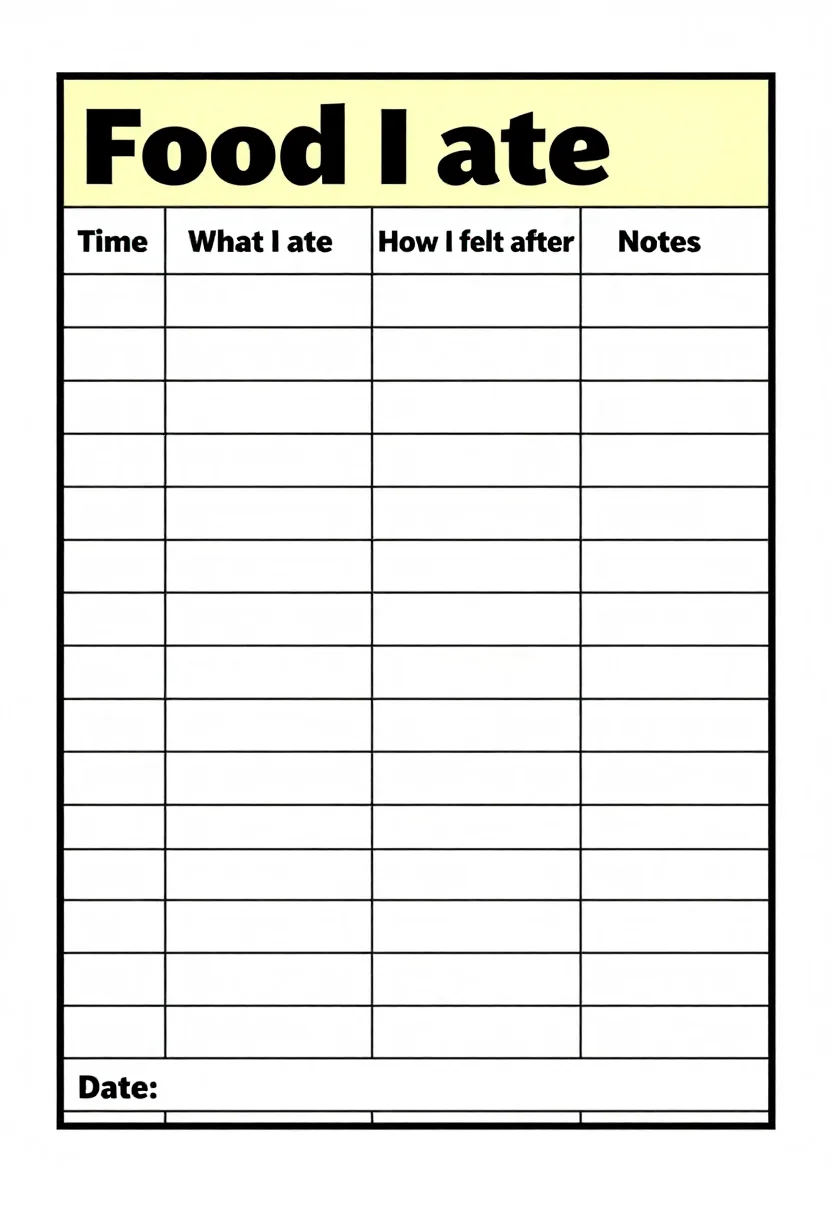
Printable food diaries for people a dietitian or doctor has asked to write down what they eat. The nine pictures are blank pages: a daily diary by meal, a weekly grid with a row of eight water drops under each day, and a food and symptom log with Time, What I ate and How I felt after columns. Every cell is empty. Type a change, such as allergies, and the layout follows the request.
- a daily diary to review with a dietitian
- a weekly meal grid
- a log for spotting which foods disagree
- a large-print copy for easier writing
Frequently asked questions
- Does the diary give a diet or portion guide?
- No. The pages are blank and print no amounts, targets or advice.
- What are the water drops in the weekly grid?
- Each day has a row of eight empty water drops to fill in.
- Can I focus it on something else?
- Yes. Type the change you want, such as kids or allergies, and the layout follows the request.
- How do the three styles differ?
- Clean clinical uses thin black lines with a green accent, soft calm uses sage, cream and peach rounded boxes, and large print uses thick lines and wide boxes.
About toile
This page is a showcase and a starting point: nine samples already rendered, three readings of the pack crossed with three styles, each shown at the size and ratio it was made for. Take any of them further on the wall with a few words, or ask for all nine again under your own direction; a sign-in keeps what you make, and it is free while Toile is new. The recipe behind each sample — the subject, the style, the palette, the framing — travels with the image rather than staying private to the render: it is in the alt text of every sample and in the page's own structured data, so a search engine reads the same handles a person would.