/foundation-shade-charts · beauty
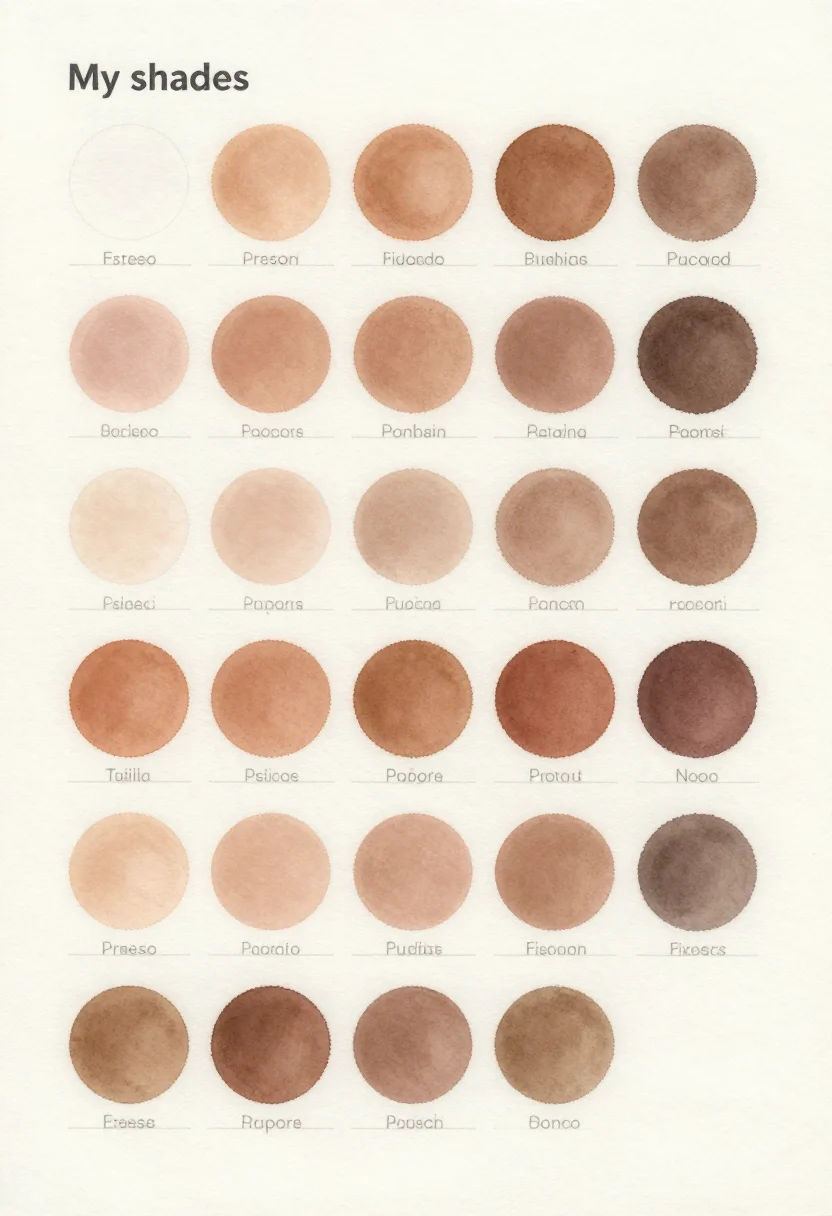
Foundation shade chart: fair to deep, by undertone, blank swatches
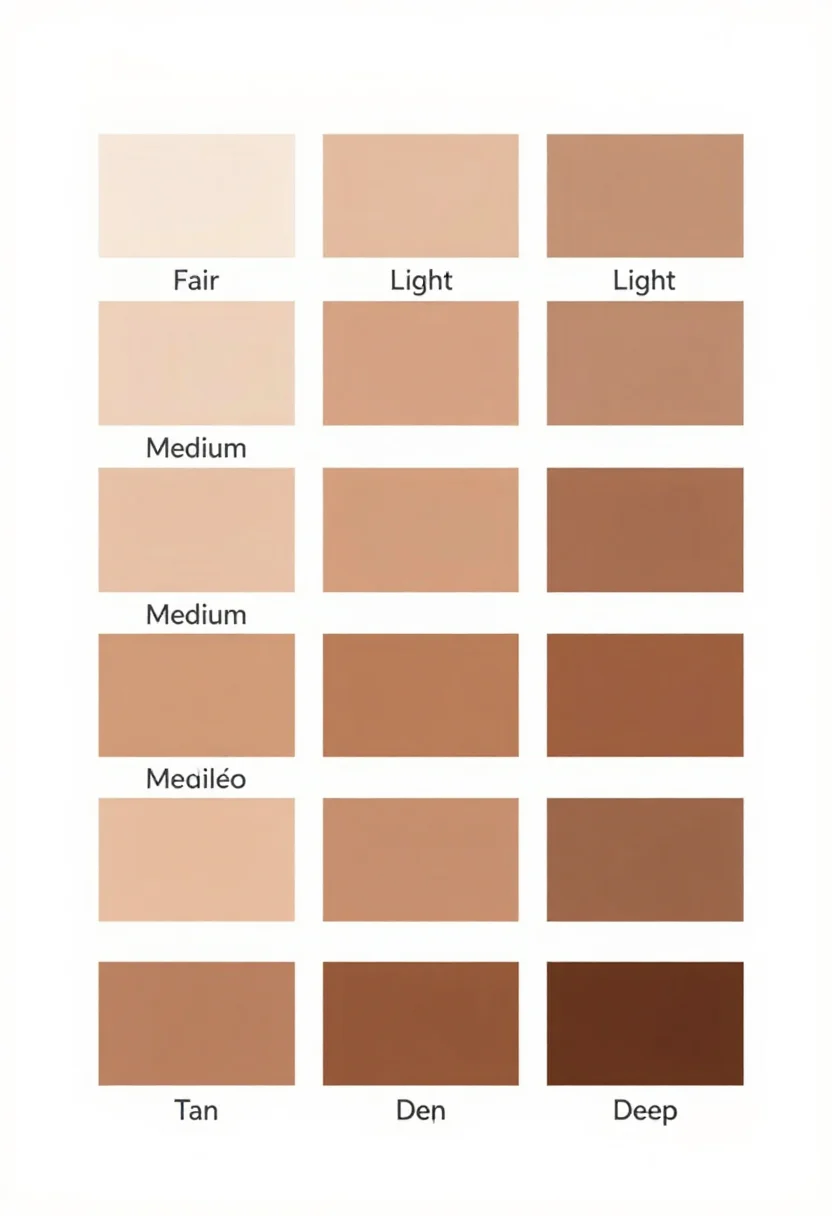
Make your ownFoundation shade charts
Describe yours. We'll remake the whole pack your way.
More like this
the whole catalog →
every sample — three subjects, three styles ↓
A foundation shade chart helps a shopper find a match and an artist plan a kit. The nine pictures show swatch rows from fair to deep, grouped into cool, neutral and warm undertones, and a blank card to fill in with a real product. The swatches are drawn colors, not a promise of how a product looks on skin. Type a different subject or twist, such as deep shades, and the page asks for it in the same three styles.
- a shade match before buying foundation
- planning the shades in a makeup kit
- a blank card to log the shades you have tried
- a reference at a store or counter
Frequently asked questions
- Can I print them?
- Yes. They are drawn charts with labels, not photographs, so they print as reference sheets.
- How do I use the swatch rows?
- Find the row closest to your skin, then check the column for your undertone. The blank card is for matching with a real product.
- What is the difference between the styles?
- Flat swatches are crisp vector fills with charcoal labels. Beauty counter adds gold hairlines and spaced capitals. Painted swatches are gouache with visible brush texture.
- Can I ask for a different subject?
- Yes. Type a direction, such as deep shades, and the page asks for that subject in the same three styles. It is a request, not a guaranteed result.
About toile
This page is a showcase and a starting point: nine samples already rendered, three readings of the pack crossed with three styles, each shown at the size and ratio it was made for. Take any of them further on the wall with a few words, or ask for all nine again under your own direction; a sign-in keeps what you make, and it is free while Toile is new. The recipe behind each sample — the subject, the style, the palette, the framing — travels with the image rather than staying private to the render: it is in the alt text of every sample and in the page's own structured data, so a search engine reads the same handles a person would.