/fox-tattoos · tattoo
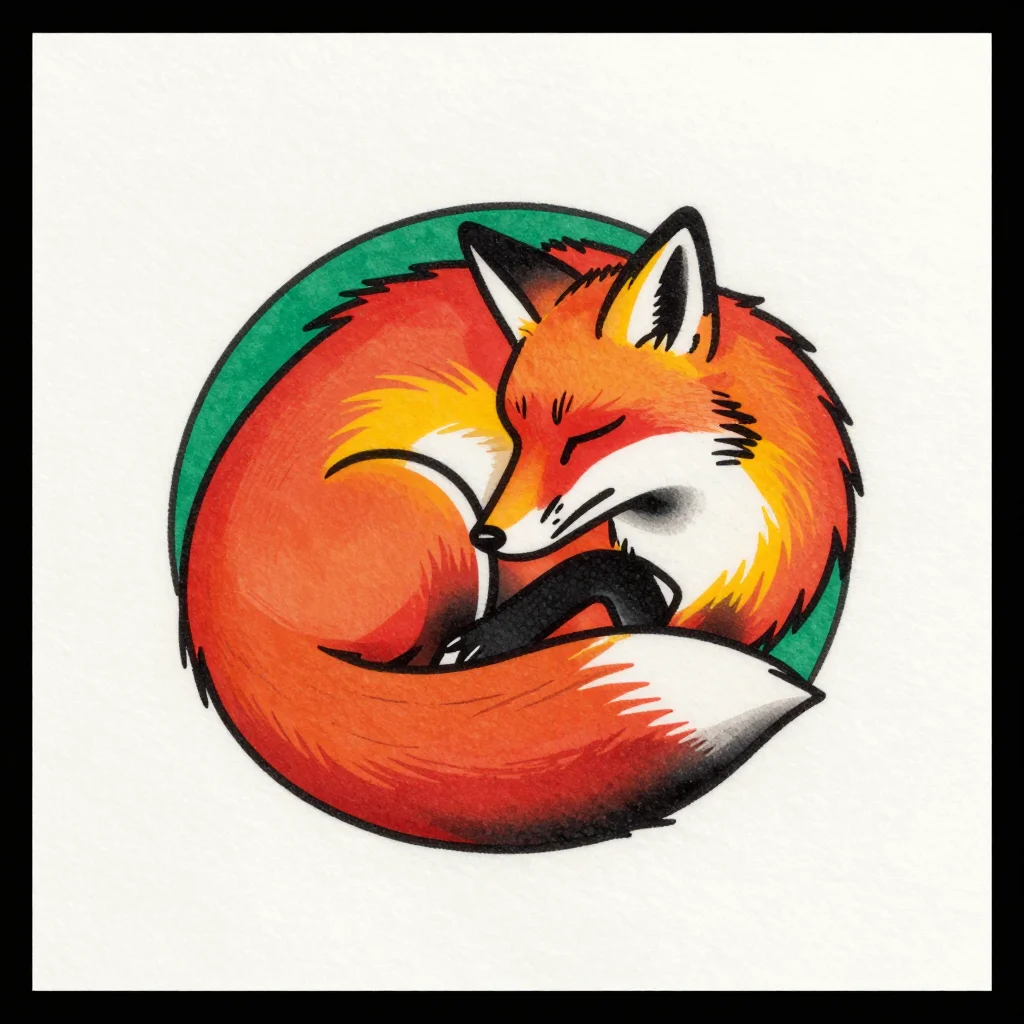
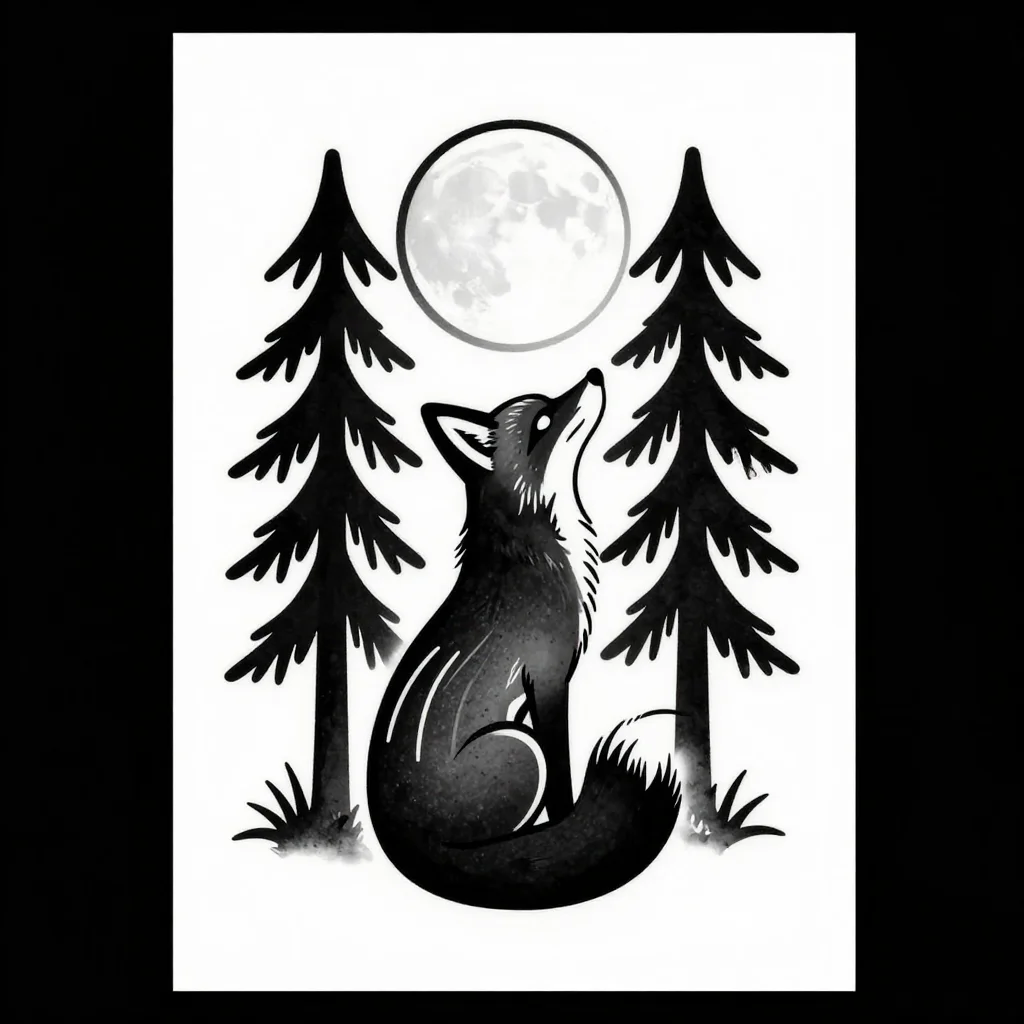
Fox tattoo: curled fox, fox head, fox under a moon
Make your ownFox tattoos
Describe yours. We'll remake the whole pack your way.
More like this
the whole catalog →
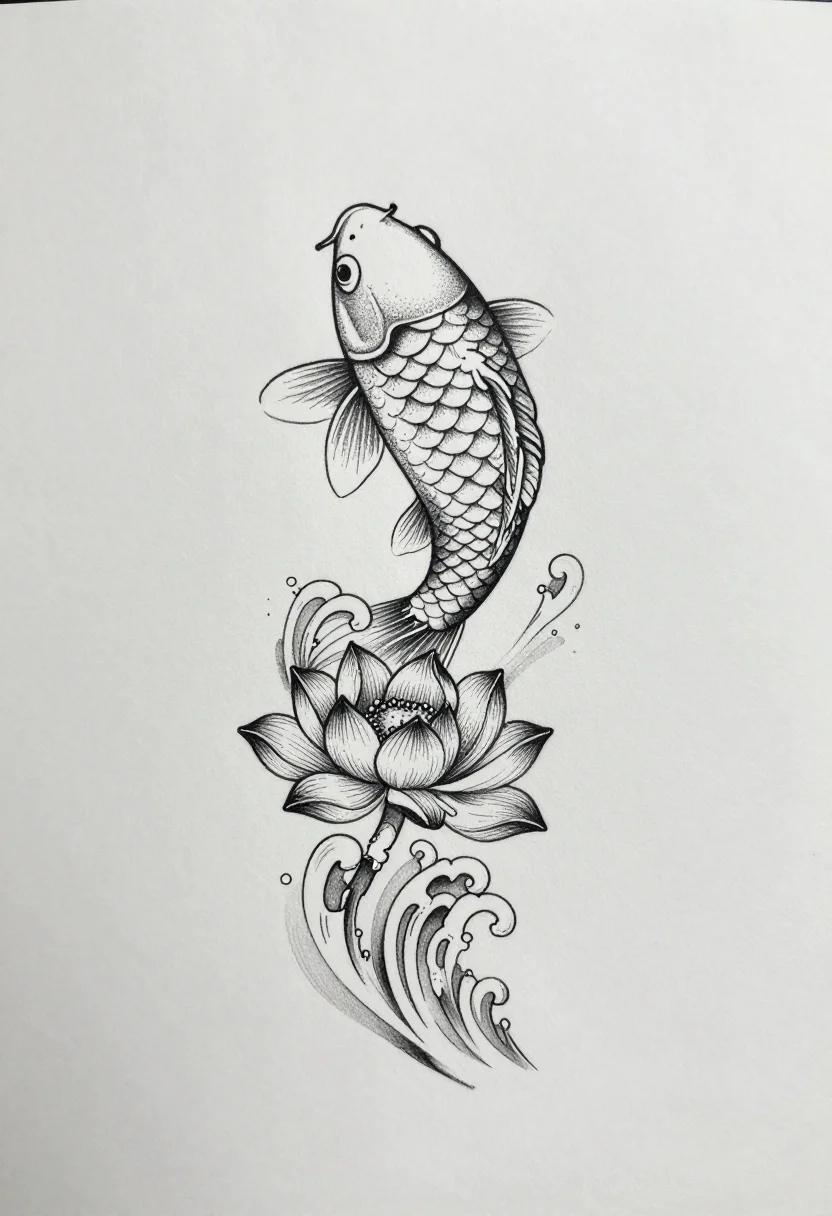
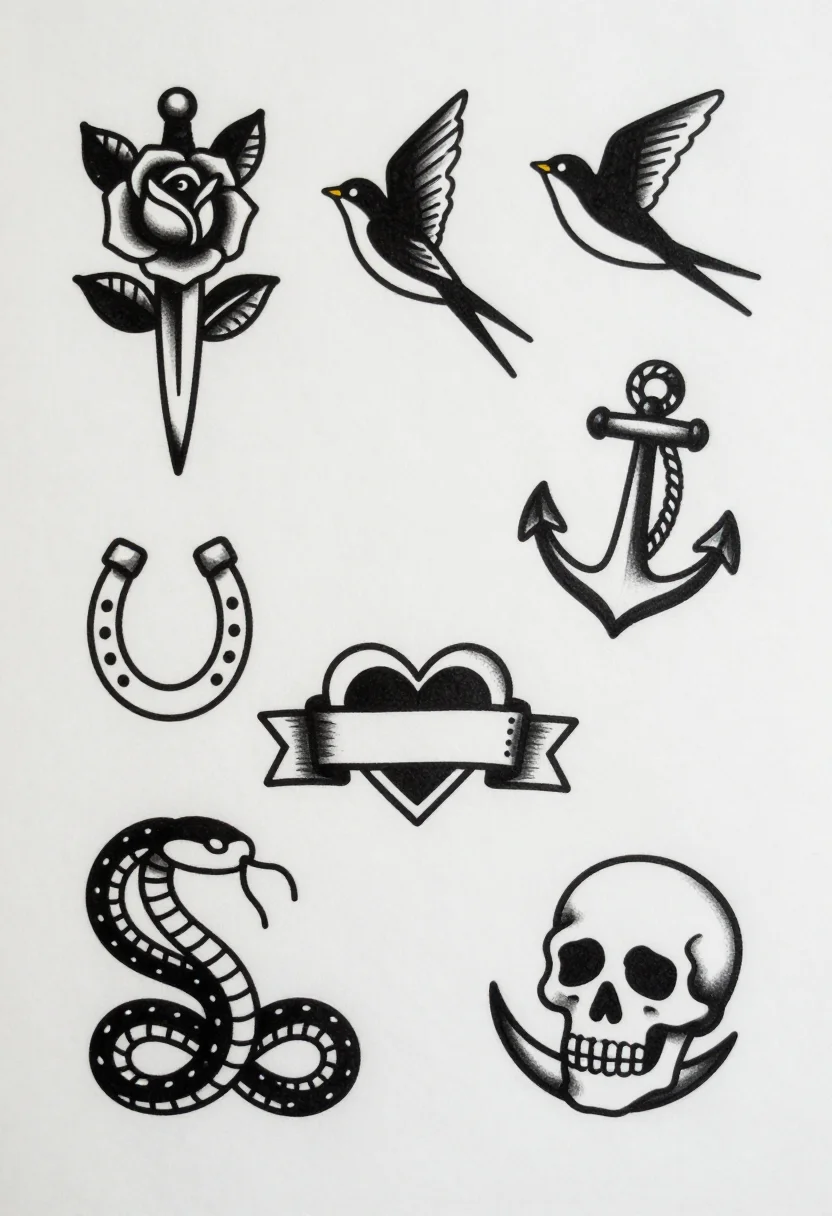
every sample — three subjects, three styles ↓
Nine fox tattoo designs on white paper: a fox curled asleep with its tail wrapped over its nose, a fox's head with pricked ears, and a fox sitting under a full moon between two pines. The fox is worn for cleverness and for its look, small on an ankle or wrist, or larger on the forearm or thigh. Type a different animal or a twist, such as a moon, and the same styles carry it.
- a small fox for the ankle or wrist
- a larger fox for the forearm or thigh
- a fox and moon for a night-time theme
- a design sheet to show the artist
Frequently asked questions
- What do the nine designs show?
- Three fox subjects drawn three ways: a fox curled asleep, a fox's head and a fox under a full moon, in traditional, fine line and blackwork.
- Can I ask for a different animal or a twist?
- Yes. The direction field takes any subject or twist, such as a wolf; a typed direction is a request, so the result may differ from the samples.
- What is the difference between the three styles?
- Traditional has bold black outlines, heavy shading and red, yellow and green fills; fine line is a single hairline with no shading; blackwork is solid black with fine white lines cut through it.
- Are these photographs of tattoos on skin?
- No. Each design is a line drawing on a plain white background, with no skin, arm or body in it.
About toile
This page is a showcase and a starting point: nine samples already rendered, three readings of the pack crossed with three styles, each shown at the size and ratio it was made for. Take any of them further on the wall with a few words, or ask for all nine again under your own direction; a sign-in keeps what you make, and it is free while Toile is new. The recipe behind each sample — the subject, the style, the palette, the framing — travels with the image rather than staying private to the render: it is in the alt text of every sample and in the page's own structured data, so a search engine reads the same handles a person would.