/galentines-invitations · season
Galentine's invitations: brunch, cocktail night and craft party
Make your ownGalentine's invitations
Describe yours. We'll remake the whole pack your way.
More like this
the whole catalog →

every sample — three subjects, three styles ↓
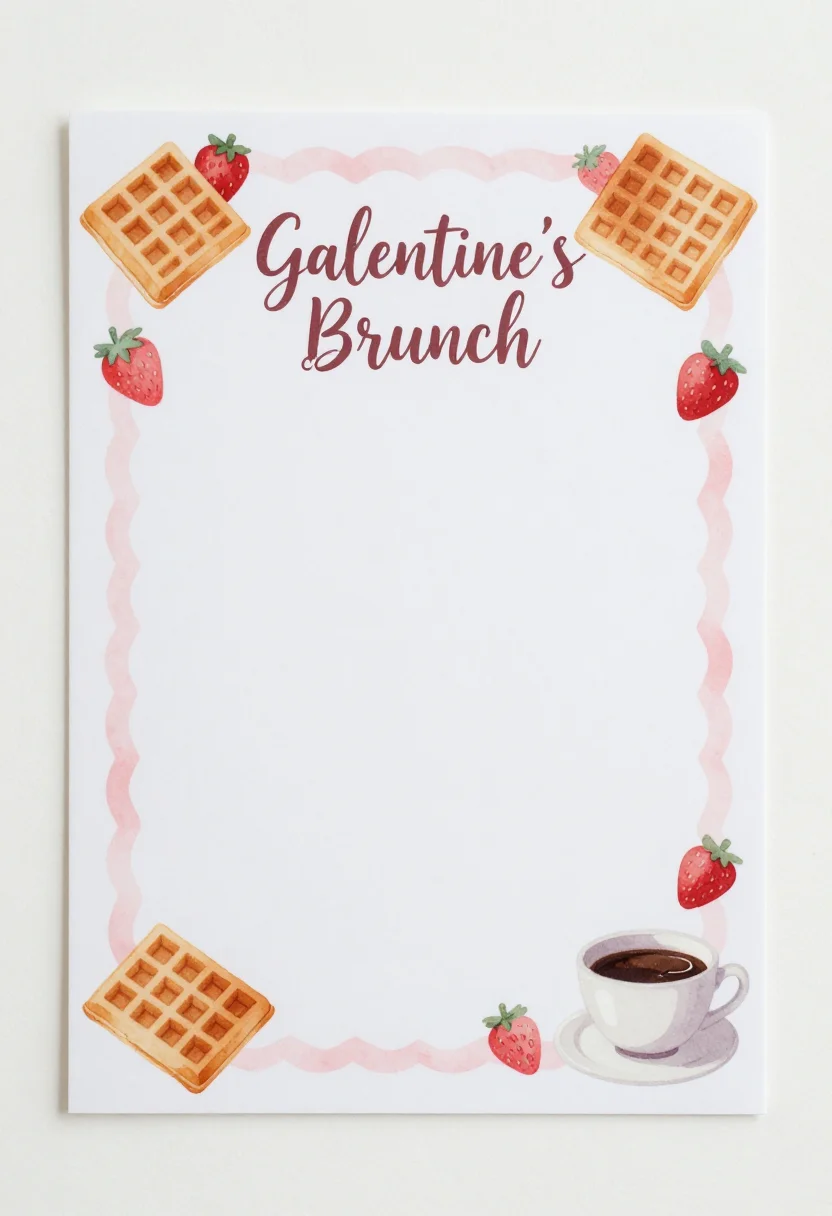
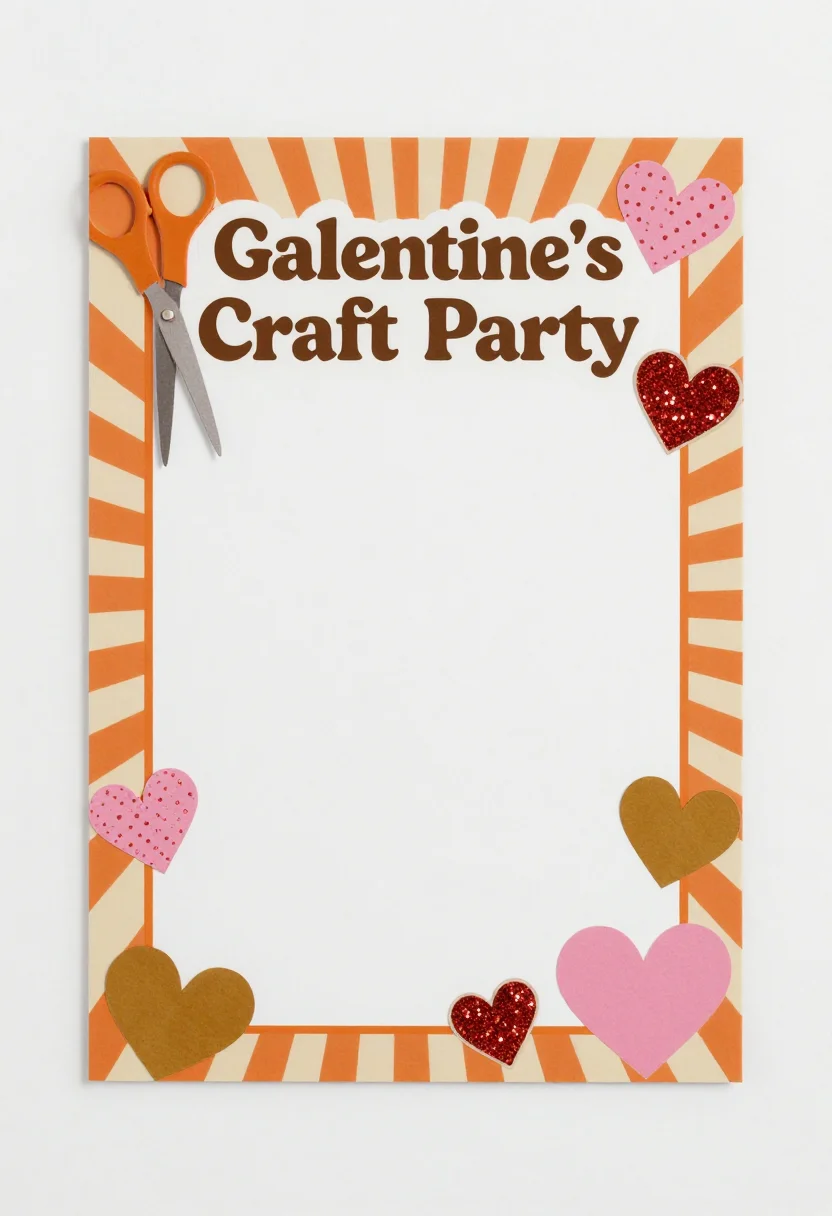
Galentine's Day is the 13th of February, when women friends meet for brunch, a craft night or drinks. These invitations carry the heading and leave the details panel blank for the host. The three gatherings are a brunch with waffles, a cocktail night with two pink glasses and a craft party with scissors and ribbon. Each comes as soft pastel, neon night or retro seventies. Type a gathering, such as book club, and the card is drawn to it.
- a brunch invitation to a group of friends
- a cocktail night invite
- a printed invitation for a craft evening
- a card for a friends' night in February
Frequently asked questions
- What does the host add to the card?
- The date, time and place go in the blank panel. The craft party card also leaves space for what to bring.
- When is Galentine's Day?
- The 13th of February, the day before Valentine's Day.
- What is the difference between the three styles?
- Soft pastel has watercolor accents and a scalloped border. Neon night has glowing outlines and sparkle stars, and retro seventies has sunburst stripes and rounded shapes.
- Can I type a different gathering?
- Yes. Type it in the direction field, such as wine night or pajama party, and the card is drawn for it.
About toile
This page is a showcase and a starting point: nine samples already rendered, three readings of the pack crossed with three styles, each shown at the size and ratio it was made for. Take any of them further on the wall with a few words, or ask for all nine again under your own direction; a sign-in keeps what you make, and it is free while Toile is new. The recipe behind each sample — the subject, the style, the palette, the framing — travels with the image rather than staying private to the render: it is in the alt text of every sample and in the page's own structured data, so a search engine reads the same handles a person would.