/geometric-mehndi · tattoo
Geometric mehndi design: grid band, chevrons, mosaic palm
Make your ownGeometric mehndi
Describe yours. We'll remake the whole pack your way.
More like this
the whole catalog →
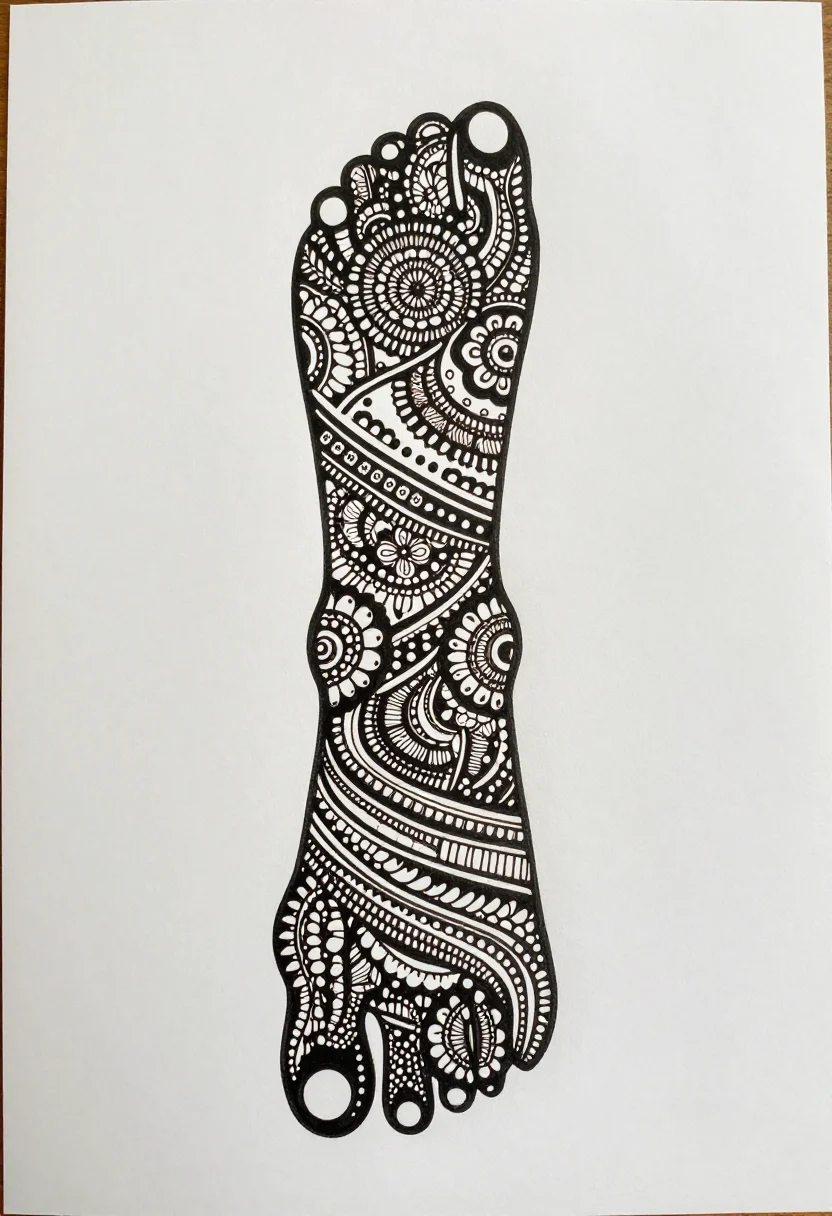
every sample — three subjects, three styles ↓
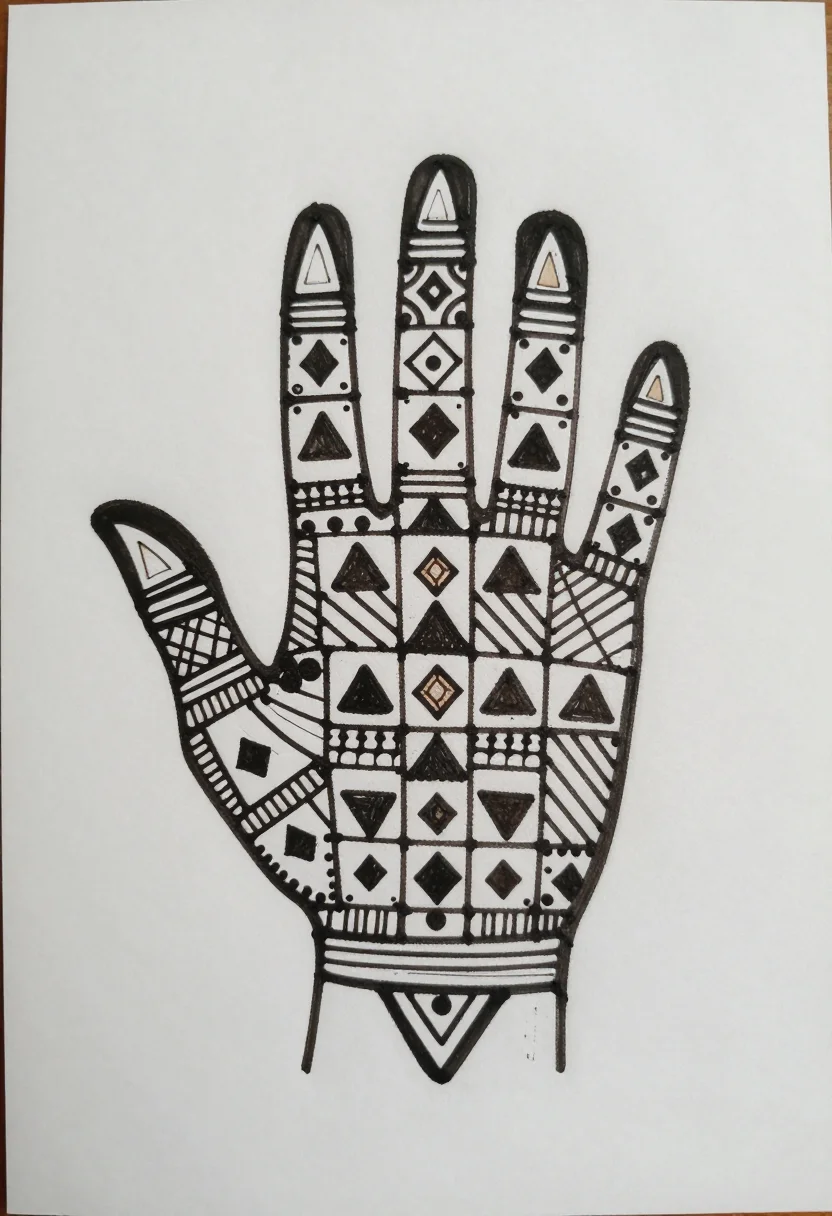
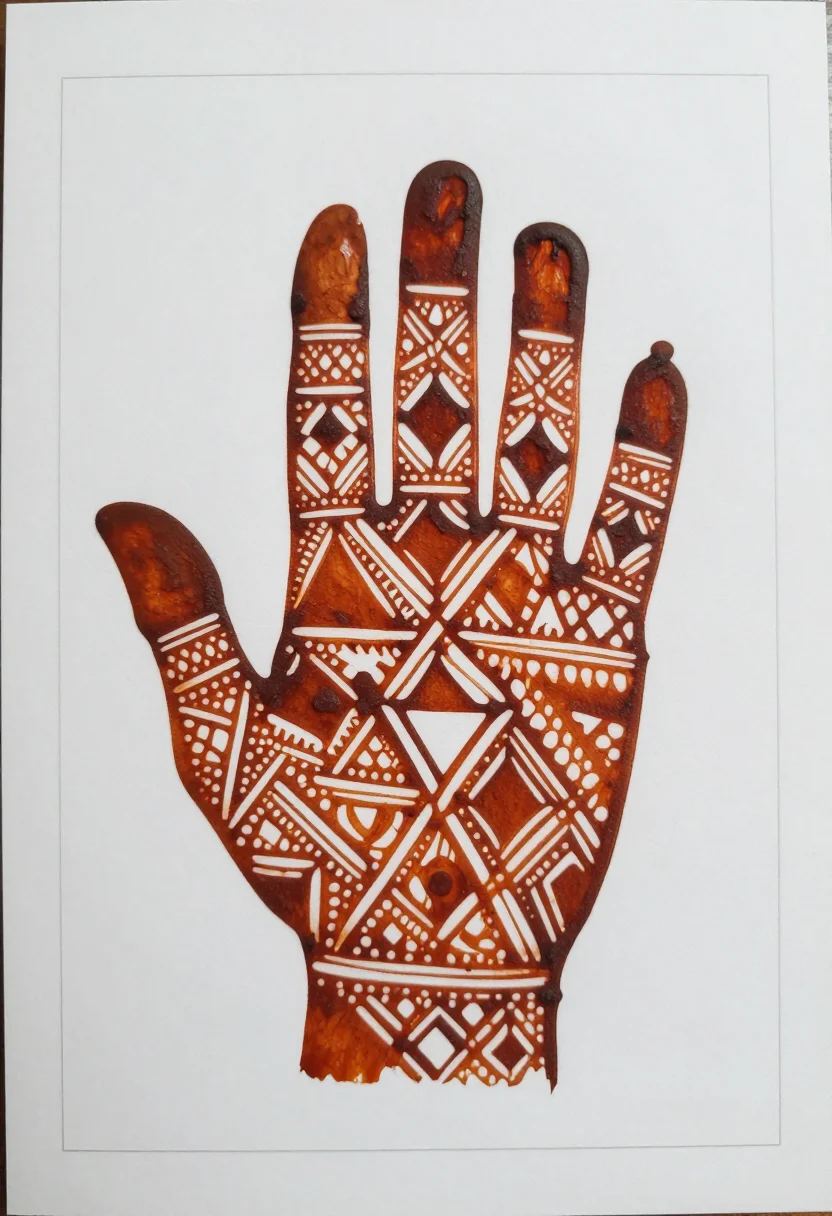
Geometric mehndi is built from lines, grids, triangles and dots instead of flowers, for modern brides and minimal tastes. The pictures show a band of small squares and diagonal lines across the back of the hand, stacked chevrons up the middle finger, and a full palm of tessellated triangles and diamonds. Each comes in bold black, fine detail or henna brown. Type a change, such as floral touch, and the design is drawn from that request.
- a minimal design for a first mehndi
- a modern hand design for a party
- a bold pattern for a poster or a card
- a reference sheet for a henna artist
Frequently asked questions
- What shapes are used?
- Lines, small squares, diagonal lines, chevrons, triangles, diamonds and dots.
- Which design is the sparsest?
- The grid band. The mosaic palm is the densest of the three.
- Can I add flowers?
- Yes. Type floral touch, and the request is drawn from those words.
- What is the difference between the styles?
- Bold black uses heavy solid shapes. Fine detail uses hairline grids and tiny triangles. Henna brown is a reddish-brown line, like dried henna paste.
About toile
This page is a showcase and a starting point: nine samples already rendered, three readings of the pack crossed with three styles, each shown at the size and ratio it was made for. Take any of them further on the wall with a few words, or ask for all nine again under your own direction; a sign-in keeps what you make, and it is free while Toile is new. The recipe behind each sample — the subject, the style, the palette, the framing — travels with the image rather than staying private to the render: it is in the alt text of every sample and in the page's own structured data, so a search engine reads the same handles a person would.