/gingham · pattern
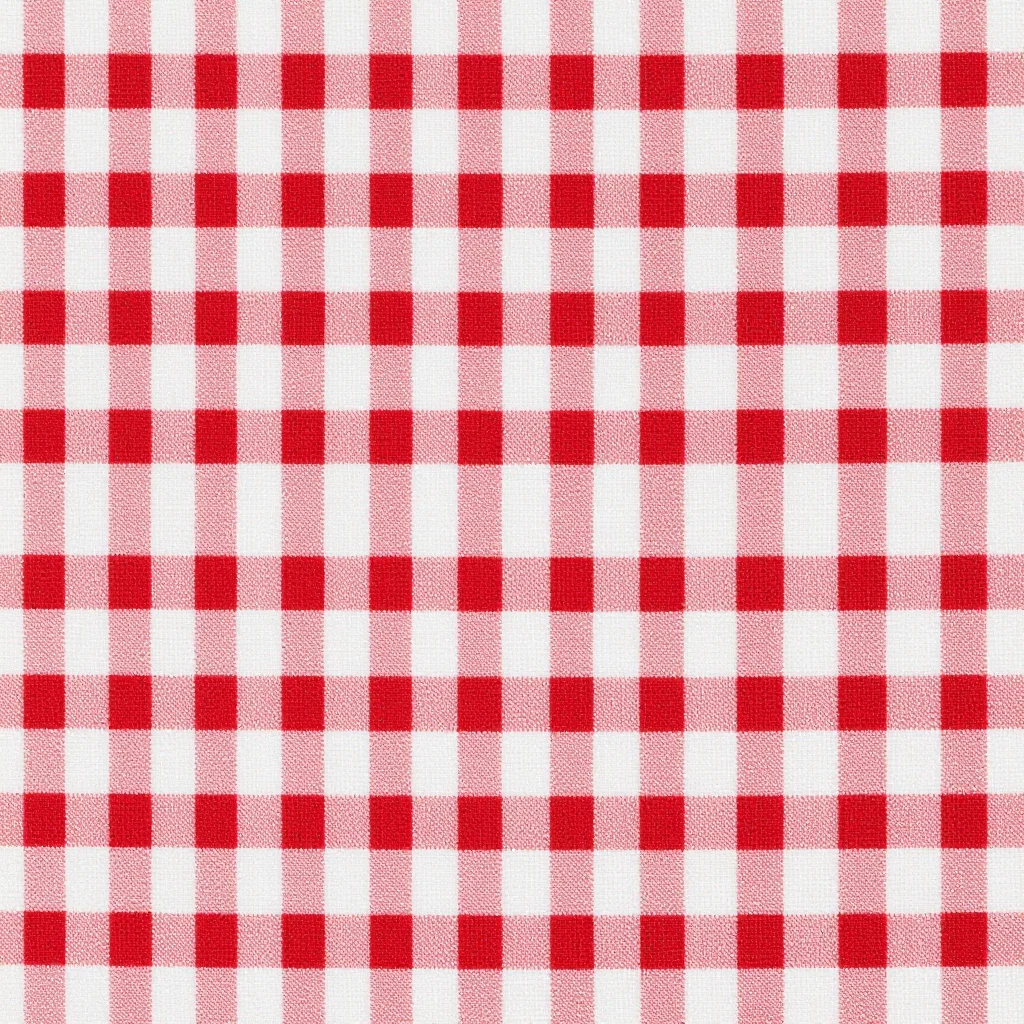
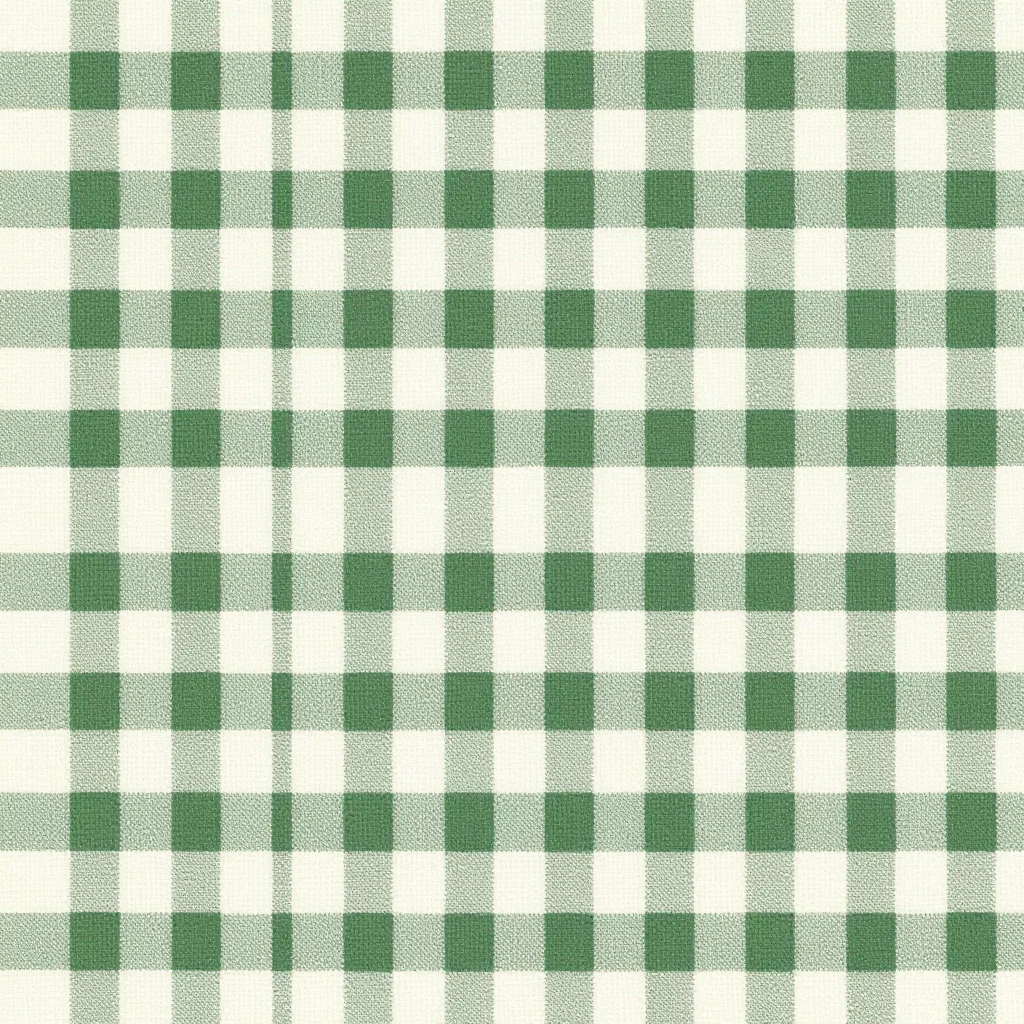
Gingham check design: small, classic, large-scale check
Make your ownGingham
Describe yours. We'll remake the whole pack your way.
More like this
the whole catalog →

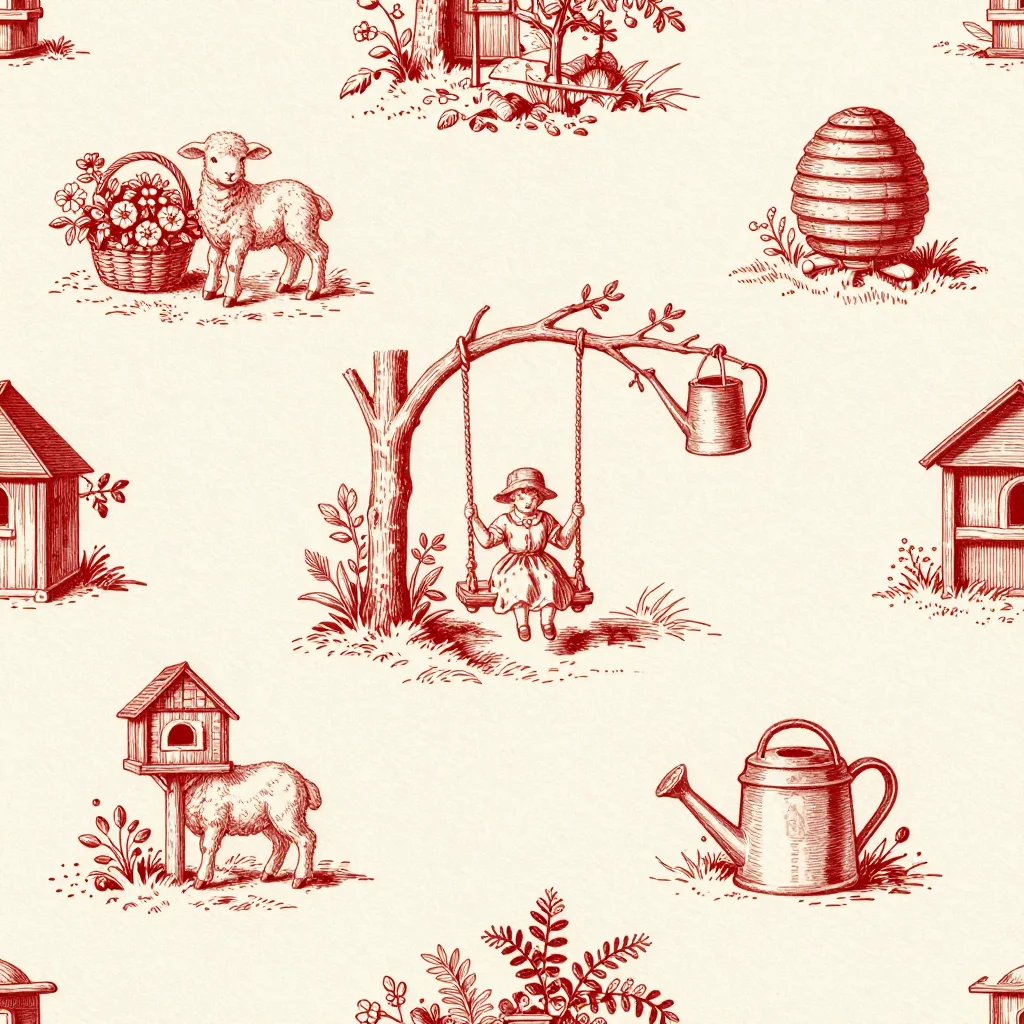
every sample — three subjects, three styles ↓
Gingham is a woven check: one colour dyed into warp and weft against white, so where the two cross the tone doubles and a third, darker square appears — get that three-tone logic wrong and it reads as a printed grid instead. These nine render small, classic and large-scale gingham across three colourways. Ask for a different accent colour, and the same three scales carry it.
- a picnic blanket or tablecloth print
- a shirt or dress fabric print
- a phone wallpaper
- a wallpaper repeat sample
- a stationery or notecard background
Frequently asked questions
- What size and format do these print at?
- Each pattern is a seamless square tile at even resolution, so it repeats cleanly on fabric yardage or a wallpaper roll.
- Can I get a different accent colour instead of the classic gingham red?
- Yes — the direction field takes any accent colour, and the three-tone crossing logic still carries it.
- What's the difference between the three check scales?
- Small keeps the crossing squares tight and fine, classic sits at the familiar picnic-blanket size, and large-scale stretches each square bold enough to read from across a room.
- What makes gingham different from a plain printed grid?
- Real gingham gets its third, darker square from the colour genuinely overlapping at each crossing point, the way a woven check would — a flat two-colour grid without that overlap isn't gingham.
About toile
This page is a showcase and a starting point: nine samples already rendered, three readings of the pack crossed with three styles, each shown at the size and ratio it was made for. Take any of them further on the wall with a few words, or ask for all nine again under your own direction; a sign-in keeps what you make, and it is free while Toile is new. The recipe behind each sample — the subject, the style, the palette, the framing — travels with the image rather than staying private to the render: it is in the alt text of every sample and in the page's own structured data, so a search engine reads the same handles a person would.