/guitar-drawings · illustration
Guitar drawing: acoustic guitar, electric guitar, headstock
Make your ownGuitar drawings
Describe yours. We'll remake the whole pack your way.
More like this
the whole catalog →

every sample — three subjects, three styles ↓
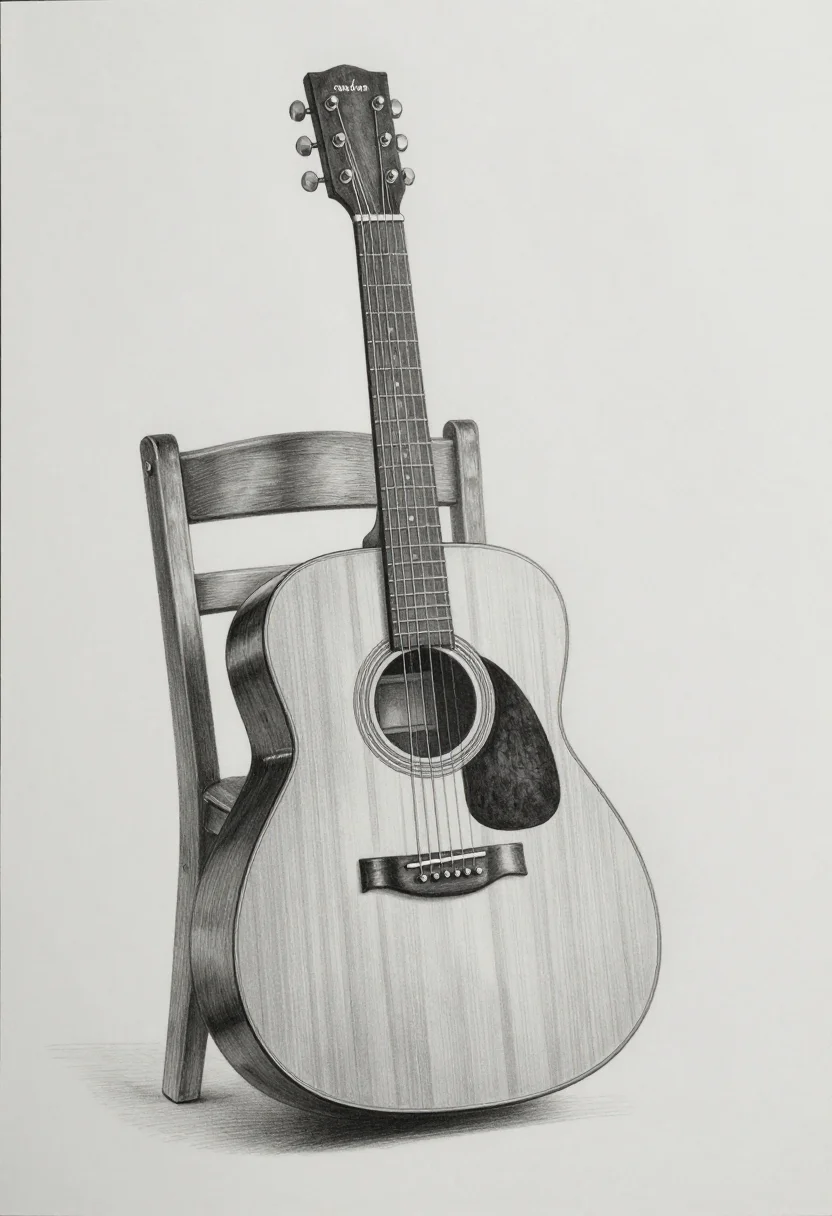
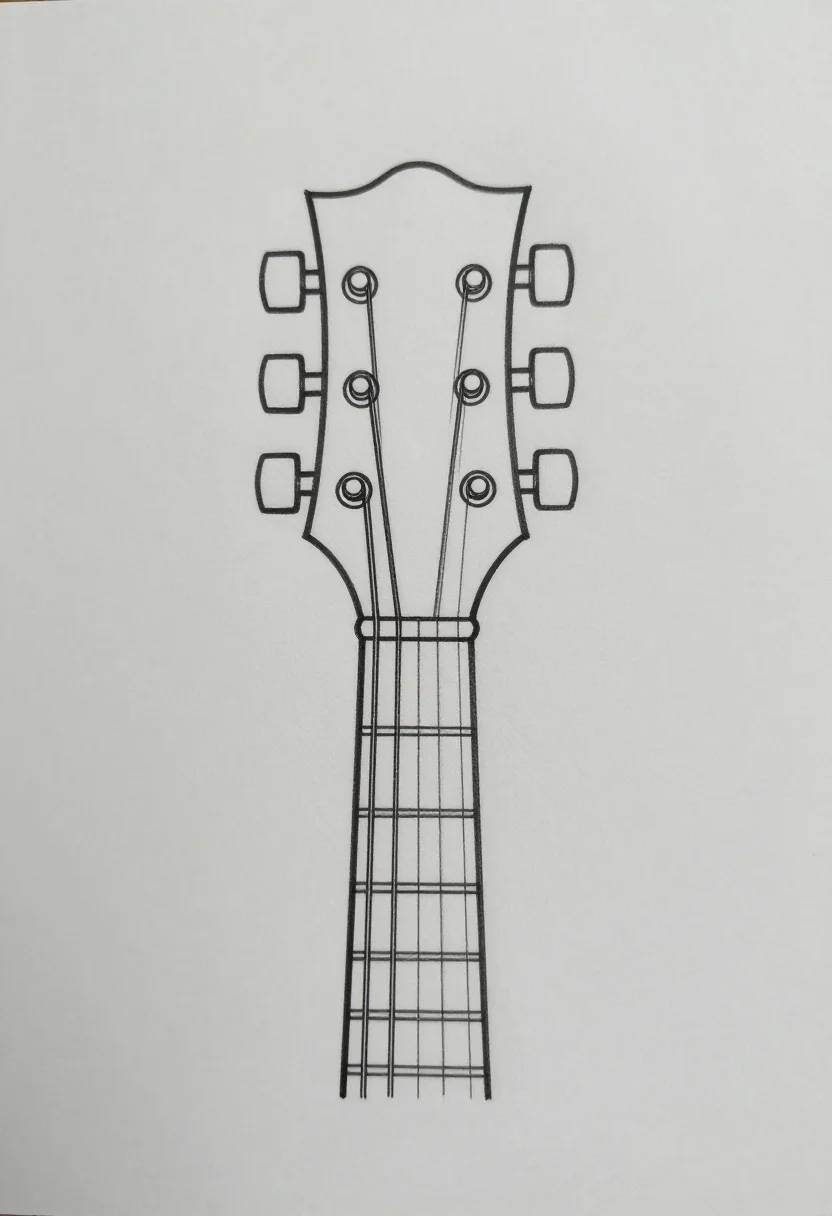
Three guitar studies: an acoustic guitar leaning against a chair, an electric guitar with its cable coiled, and a close look at a headstock and its tuning pegs. Each is drawn in graphite pencil, ink hatching and clean outline. Use them as a sketch for a music notebook, a practice sheet for wood and metal, or a print for a music room. Type another instrument, such as a bass or a ukulele, and the same styles carry it.
- a sketch for a musician's notebook
- a practice sheet for drawing wood and metal
- a print for a music room or studio
- a gift for a guitar player
Frequently asked questions
- What is in the nine drawings?
- An acoustic guitar against a chair, an electric guitar with its cable coiled, and a headstock with its tuning pegs, each in graphite pencil, ink hatching and clean outline.
- Can I ask for a different guitar or instrument?
- Yes. The direction field takes another subject, such as a bass or a ukulele. It is a request, so the result follows it in the same three styles.
- How do the three styles differ?
- Pencil is soft gray shading with bright highlights left as paper. Ink hatching is black lines and cross-hatching. Clean outline is one even black line with no shading.
- Are they in color?
- No. All three styles are black and gray on a plain white sheet.
About toile
This page is a showcase and a starting point: nine samples already rendered, three readings of the pack crossed with three styles, each shown at the size and ratio it was made for. Take any of them further on the wall with a few words, or ask for all nine again under your own direction; a sign-in keeps what you make, and it is free while Toile is new. The recipe behind each sample — the subject, the style, the palette, the framing — travels with the image rather than staying private to the render: it is in the alt text of every sample and in the page's own structured data, so a search engine reads the same handles a person would.