/habit-trackers · planner
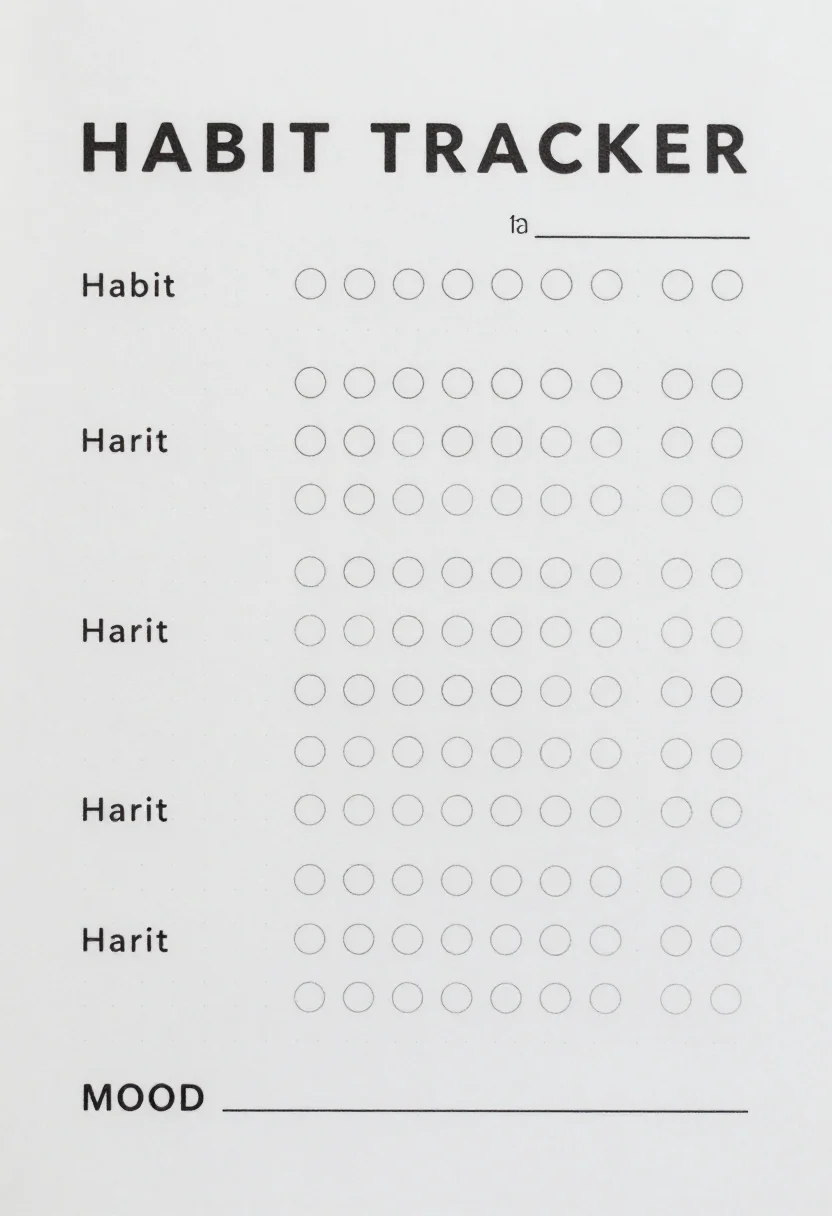
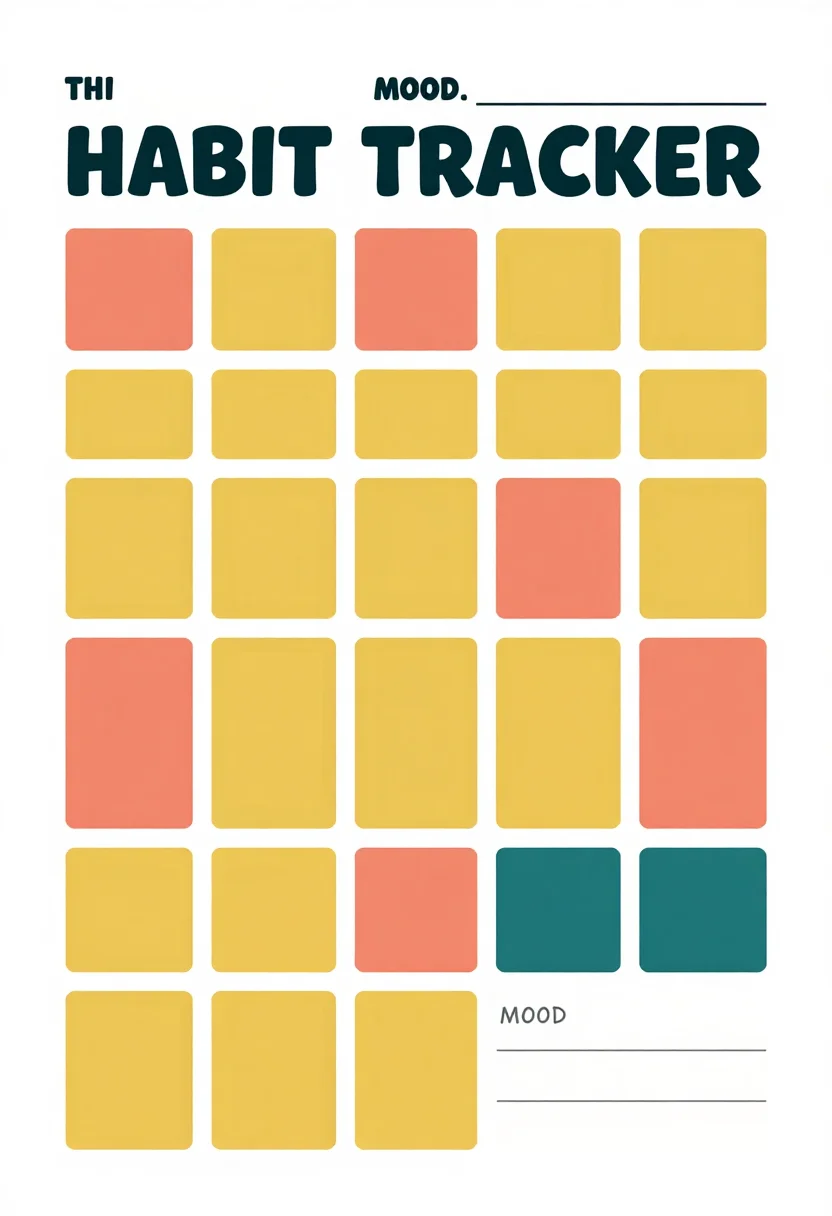
Habit tracker printable: circle grid, garden or pixel-year in three styles
Make your ownHabit trackers
Describe yours. We'll remake the whole pack your way.
More like this
the whole catalog →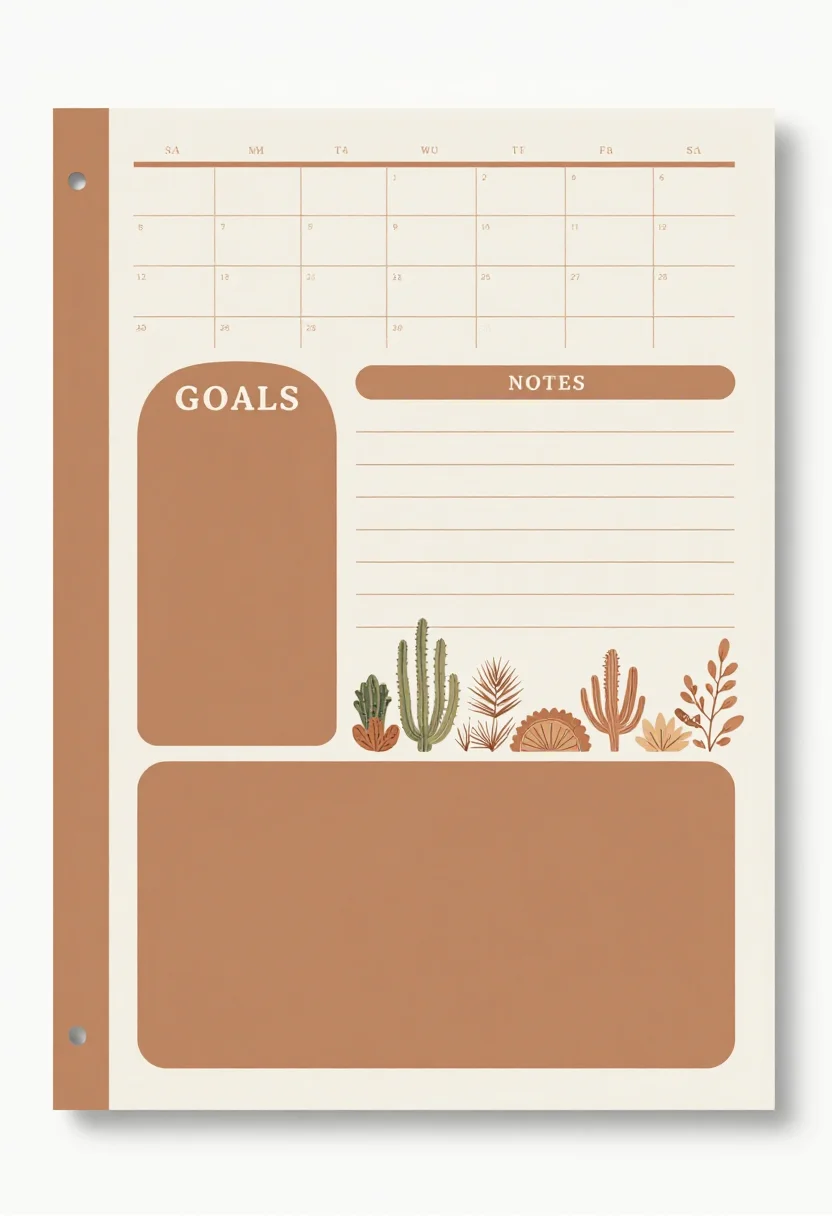

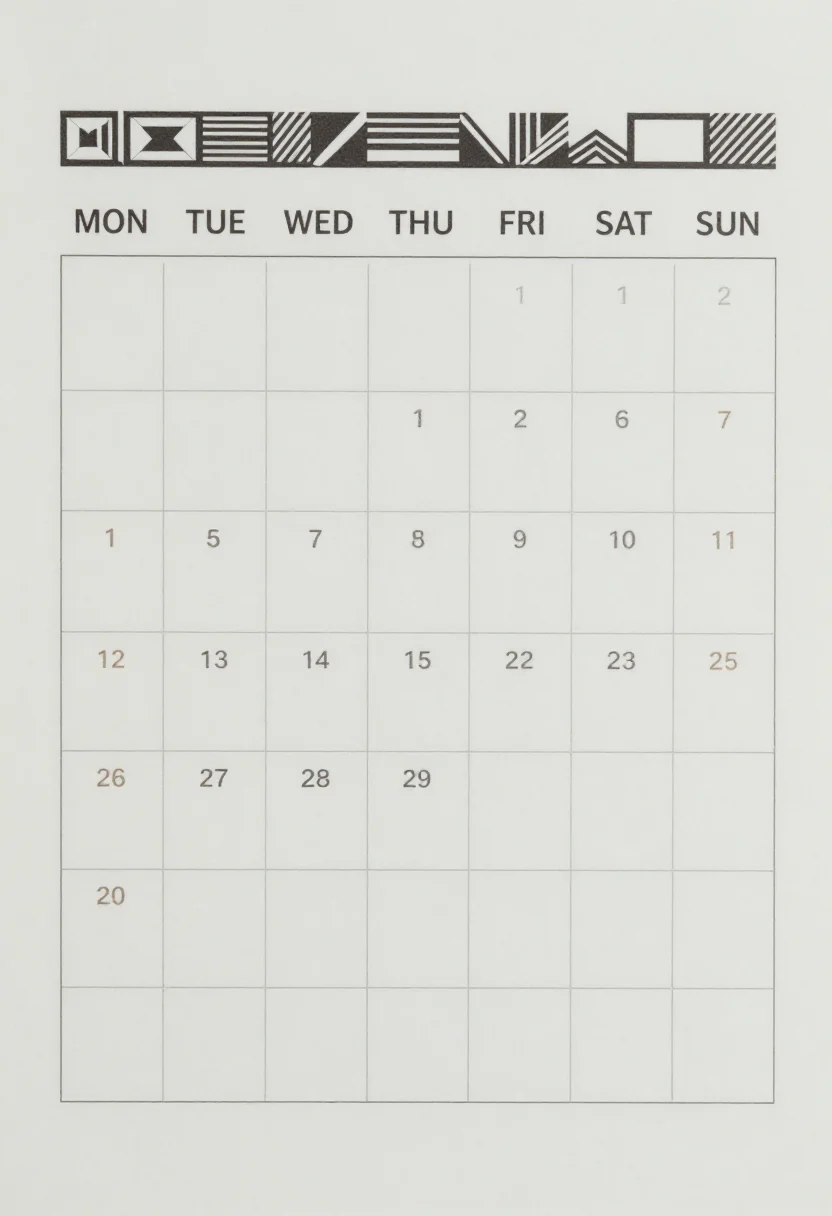
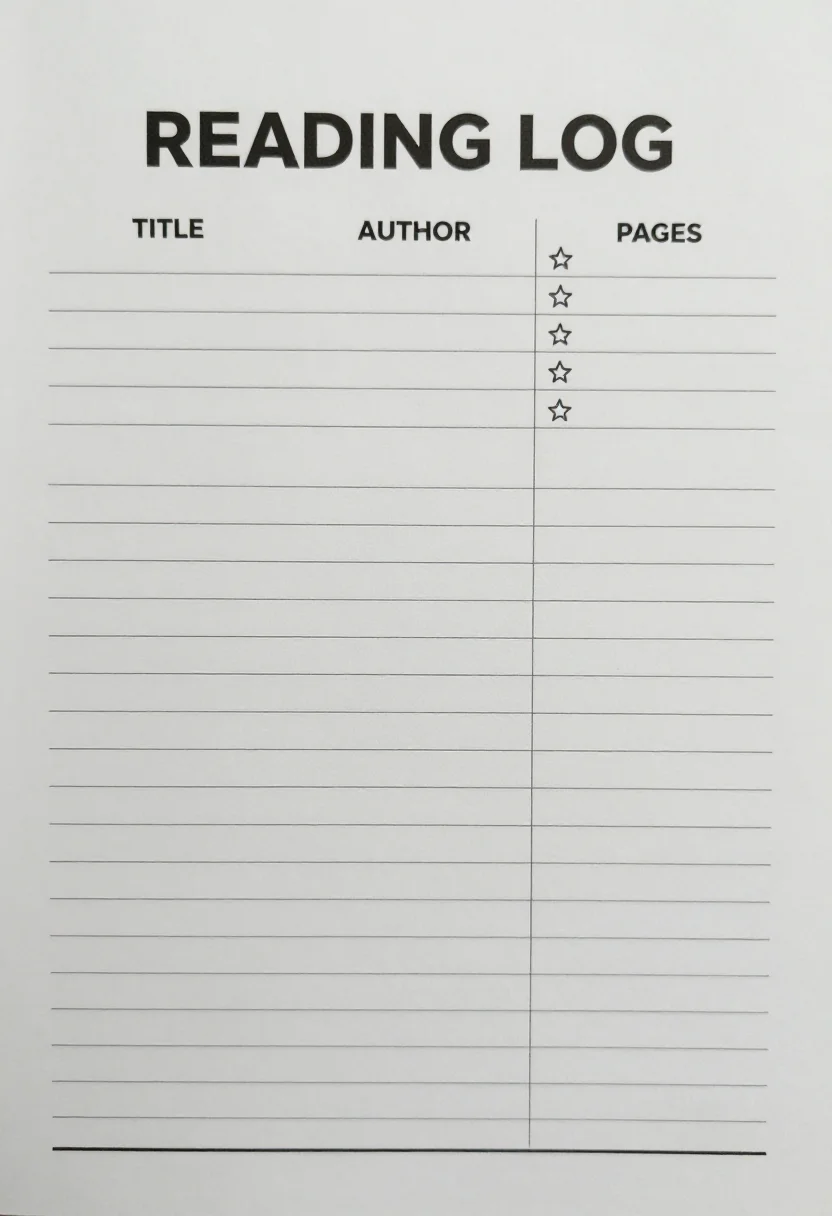
every sample — three subjects, three styles ↓
A habit tracker sells on its counting space: thirty-one boxes to fill, one row per habit. These nine keep that discipline exact across three forms — a plain circle grid, a climbing-stem garden where each day is a leaf, a pixel-year mosaic — in a minimalist dot-grid, a soft botanical, or a bold flat treatment. Room for eight habits and a mood line on every page.
- a page inside a planner's front cover
- a fridge tracker for a household habit
- a kids' chore chart
- a bullet-journal insert
- a year-long habit mosaic for the wall
Frequently asked questions
- What size does the tracker print at?
- Portrait A4 proportions (832 by 1216) with an even white margin, ready for a home printer or a planner insert.
- How many habits does it track?
- Eight habit rows plus a mood line, with thirty-one days across each row.
- Are the habit names filled in?
- No — every line stays blank so you letter in your own habits by hand.
- Can I get a weekly version instead of monthly?
- Yes — that's what the direction field is for; ask for a weekly layout and the same tracker form is redrawn.
About toile
This page is a showcase and a starting point: nine samples already rendered, three readings of the pack crossed with three styles, each shown at the size and ratio it was made for. Take any of them further on the wall with a few words, or ask for all nine again under your own direction; a sign-in keeps what you make, and it is free while Toile is new. The recipe behind each sample — the subject, the style, the palette, the framing — travels with the image rather than staying private to the render: it is in the alt text of every sample and in the page's own structured data, so a search engine reads the same handles a person would.