/hair-type-charts · beauty
Hair type charts: strands from 1A to 4C, three thicknesses, a profile sheet
Make your ownHair type charts
Describe yours. We'll remake the whole pack your way.
More like this
the whole catalog →

every sample — three subjects, three styles ↓
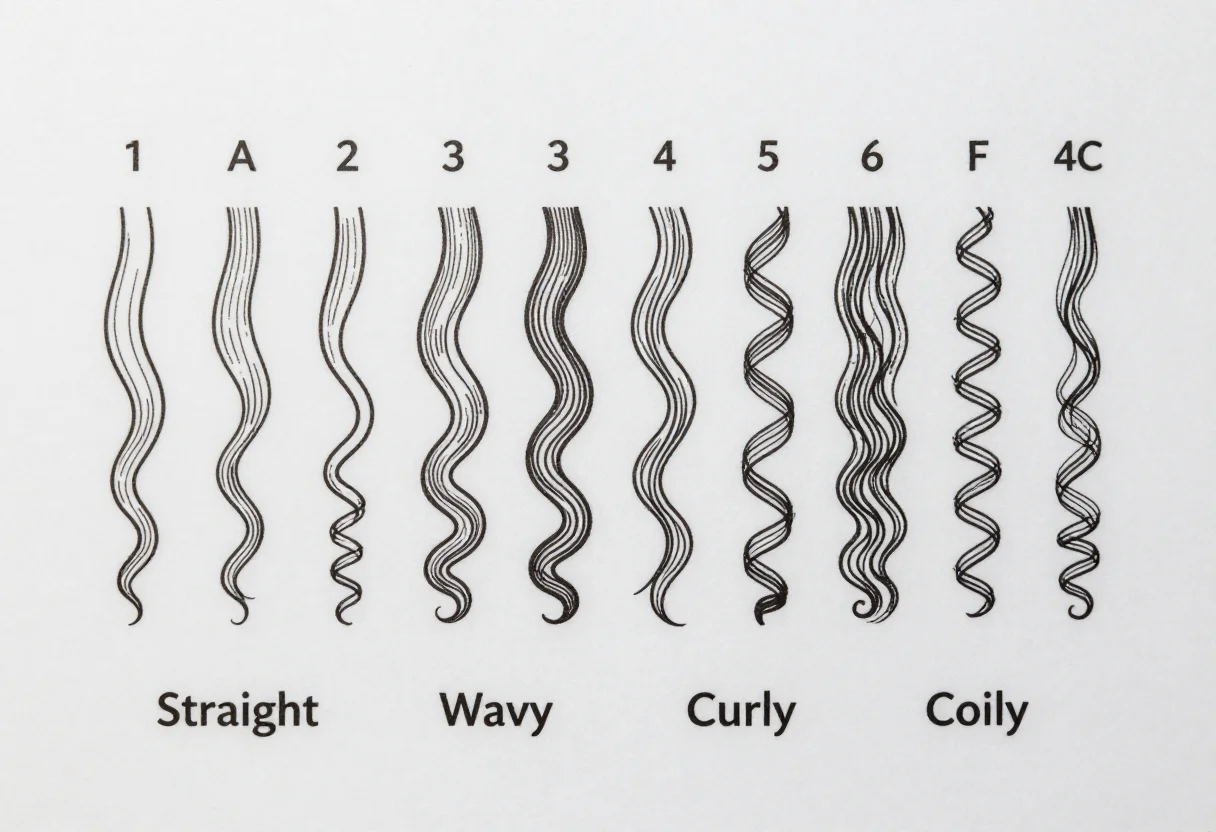
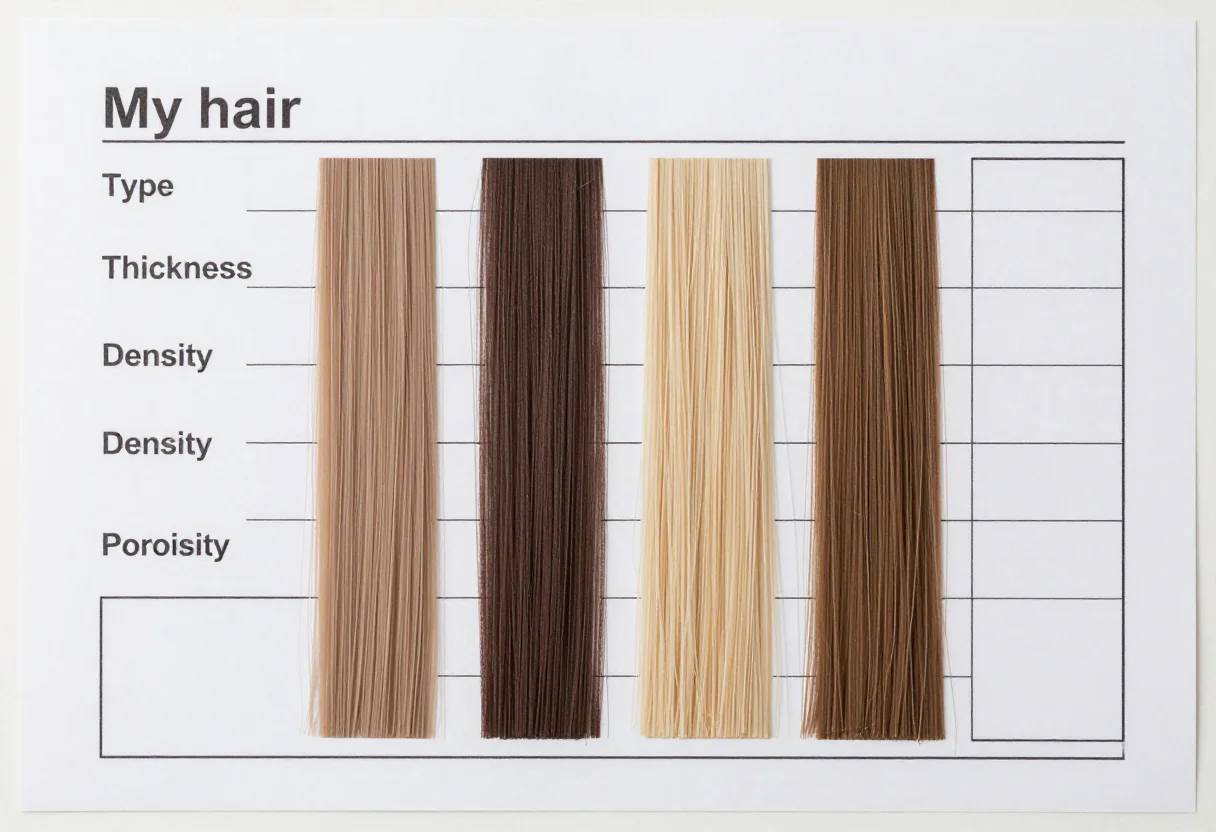
A hair type chart is where to start with hair care. It shows twelve single strands labelled 1A to 4C, from straight through wavy and curly to tight coils. Three thicknesses follow, Fine, Medium and Coarse, with a thread for scale. A profile sheet has blank lines for Type, Thickness, Density and Porosity, and a box to tape a strand. Type a subject, such as short hair, and the chart is drawn for it.
- finding your hair type before buying products
- a salon consultation sheet
- a home record of your hair profile
- a class reference on hair texture
Frequently asked questions
- How do I find my hair type?
- Compare a strand of your hair with the twelve on the chart, from 1A to 4C, and match its pattern. The profile sheet leaves room to write what you find.
- What does the thickness chart show?
- It shows three strand widths, Fine, Medium and Coarse, with a thread for scale. Strand thickness is a separate measure from curl pattern.
- Can I type a different subject?
- Yes. Type the subject or look you want, and the chart is drawn for it in place of the one shown.
- What is the difference between the three styles?
- The line chart is clean black strand drawings, the textbook plate uses engraved brown hatching, and the salon chart fills each group in a soft color.
About toile
This page is a showcase and a starting point: nine samples already rendered, three readings of the pack crossed with three styles, each shown at the size and ratio it was made for. Take any of them further on the wall with a few words, or ask for all nine again under your own direction; a sign-in keeps what you make, and it is free while Toile is new. The recipe behind each sample — the subject, the style, the palette, the framing — travels with the image rather than staying private to the render: it is in the alt text of every sample and in the page's own structured data, so a search engine reads the same handles a person would.