/haircut-diagrams · beauty
Haircut diagram: sections, elevation, blank head sheet
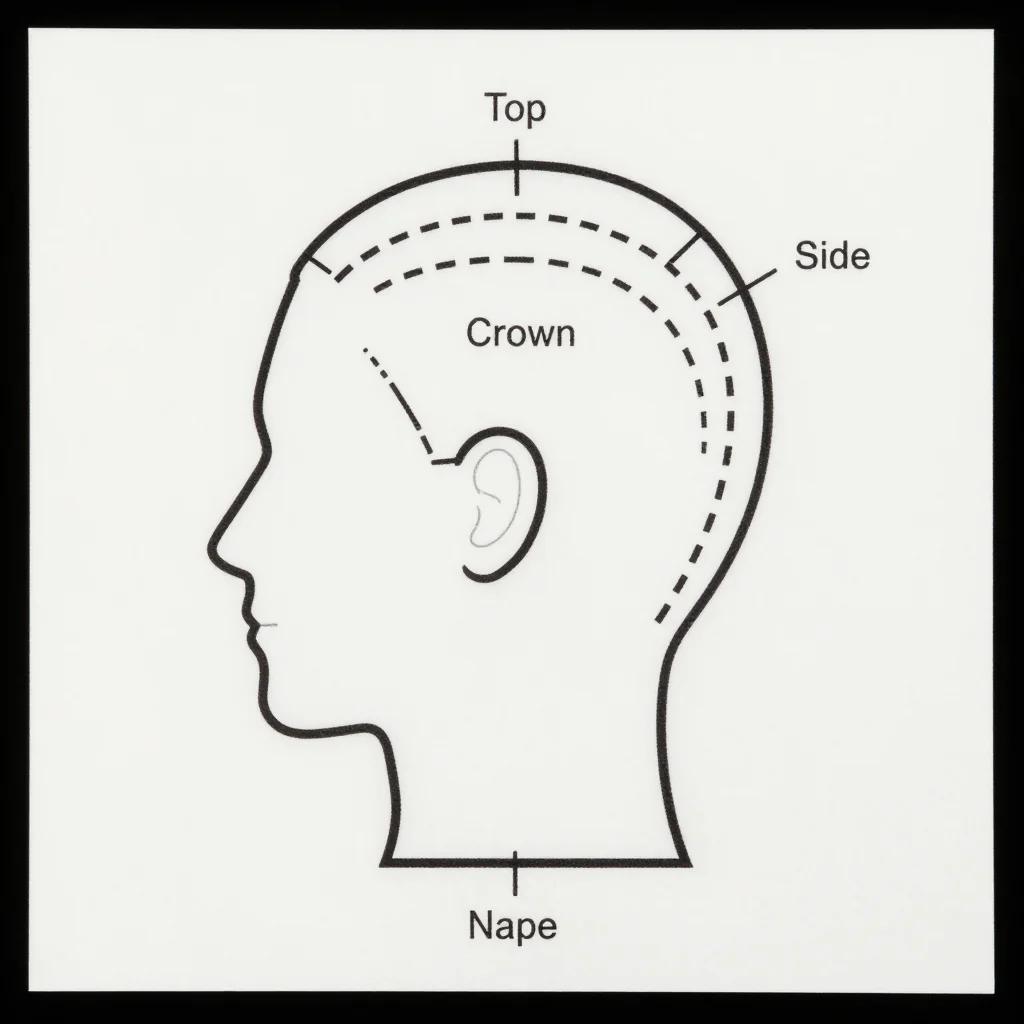
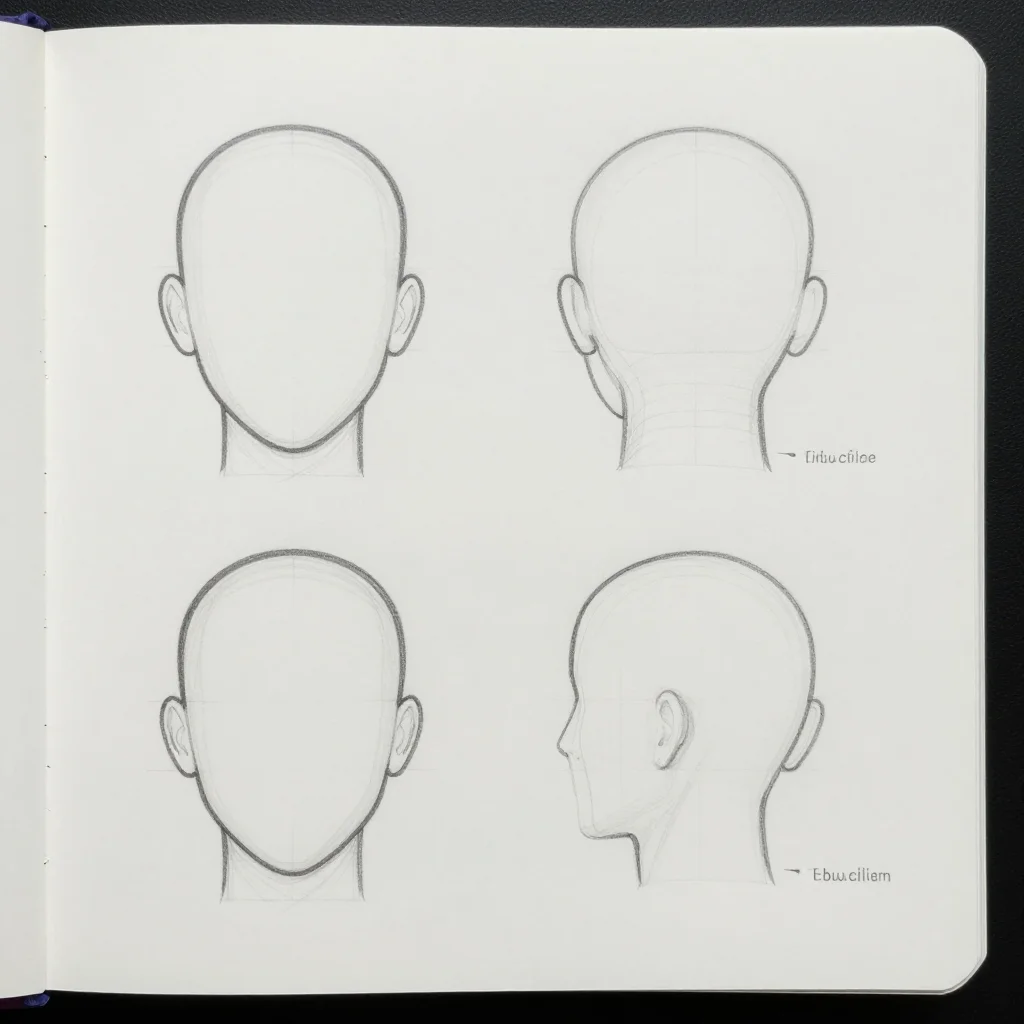
Make your ownHaircut diagrams
Describe yours. We'll remake the whole pack your way.
More like this
the whole catalog →
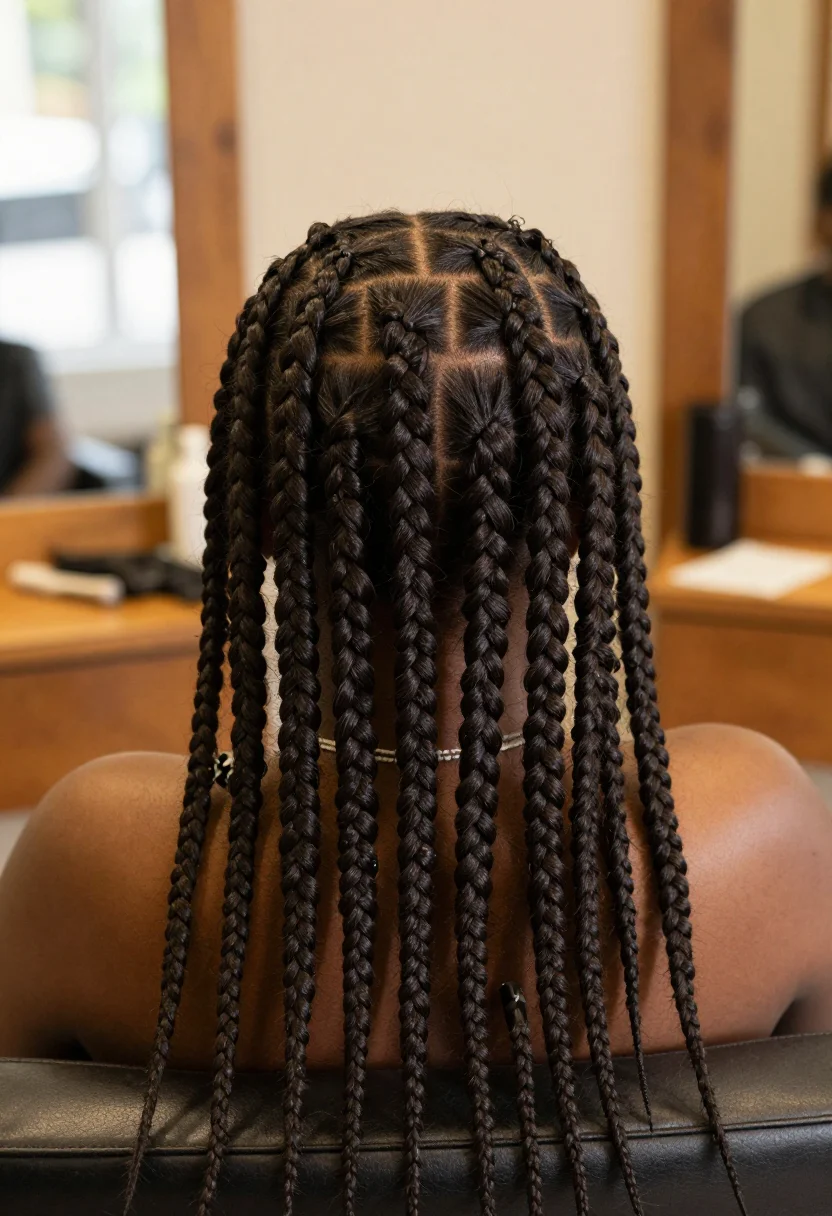
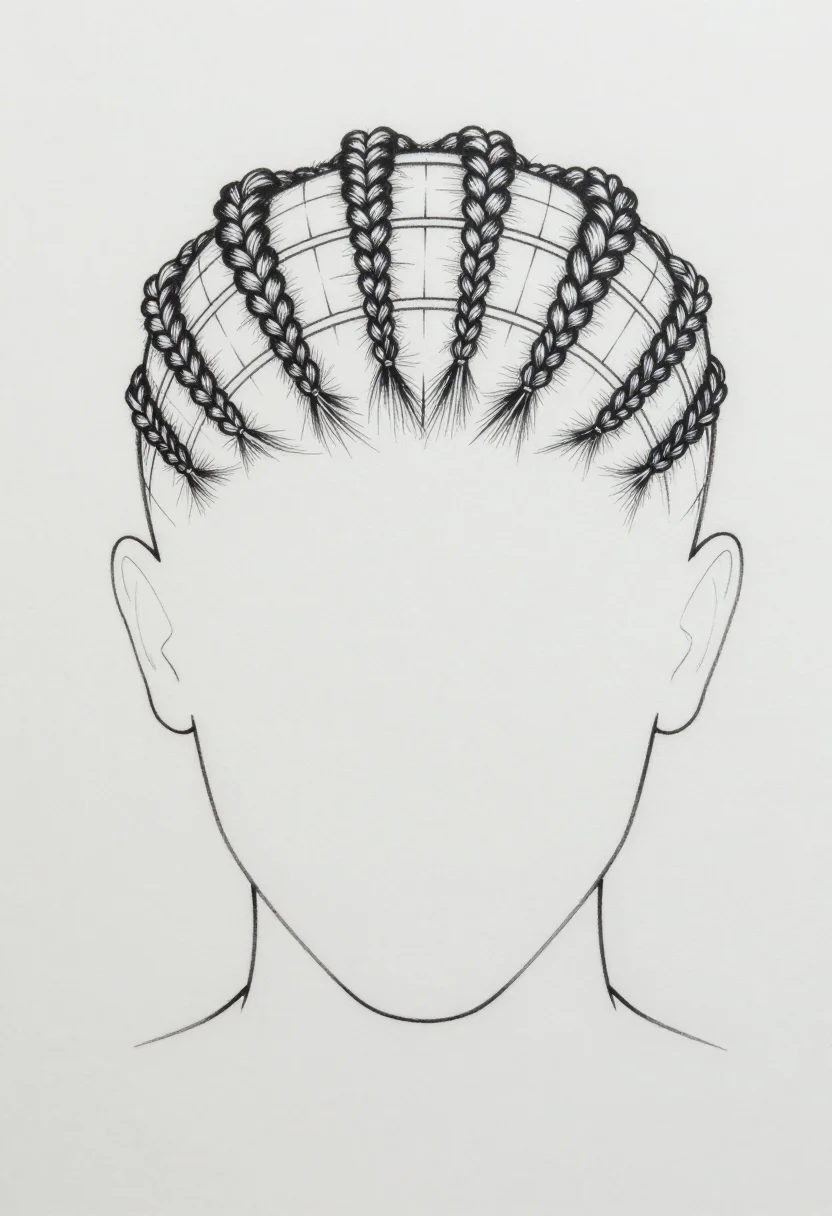

every sample — three subjects, three styles ↓
A haircut diagram plans sections, guides and angles before a cut. Barbers, stylists and cosmetology students use one to lay out the work. The nine pictures show a head form with section lines, three side views at 0, 45 and 90 degrees, and blank head sheets to draw on. Type a different subject or twist, such as a bob haircut, and the page asks for it in the same three styles.
- planning sections before a cut
- a cosmetology student's practice sheet
- a head sheet to draw a cut on
- a teaching chart for a haircut class
Frequently asked questions
- Can I print them?
- Yes. They are drawn charts with labels, not photographs, so they print as reference sheets.
- What do the elevation angles show?
- Three side views show hair combed out at 0, 45 and 90 degrees, with the angle drawn as an arc, so the cutting angle can be read at a glance.
- What is the difference between the styles?
- Textbook is even black outlines with bold dashed section lines. Red guides draws the section lines and angle arcs in red marker over black outlines. Pencil sketch is loose graphite with clean construction lines and small arrows.
- Can I ask for a different subject?
- Yes. Type a direction, such as men's taper, and the page asks for that subject in the same three styles. It is a request, not a guaranteed result.
About toile
This page is a showcase and a starting point: nine samples already rendered, three readings of the pack crossed with three styles, each shown at the size and ratio it was made for. Take any of them further on the wall with a few words, or ask for all nine again under your own direction; a sign-in keeps what you make, and it is free while Toile is new. The recipe behind each sample — the subject, the style, the palette, the framing — travels with the image rather than staying private to the render: it is in the alt text of every sample and in the page's own structured data, so a search engine reads the same handles a person would.