/halloween-bunting · season
Halloween bunting: patterned, letter and mini flags in three styles
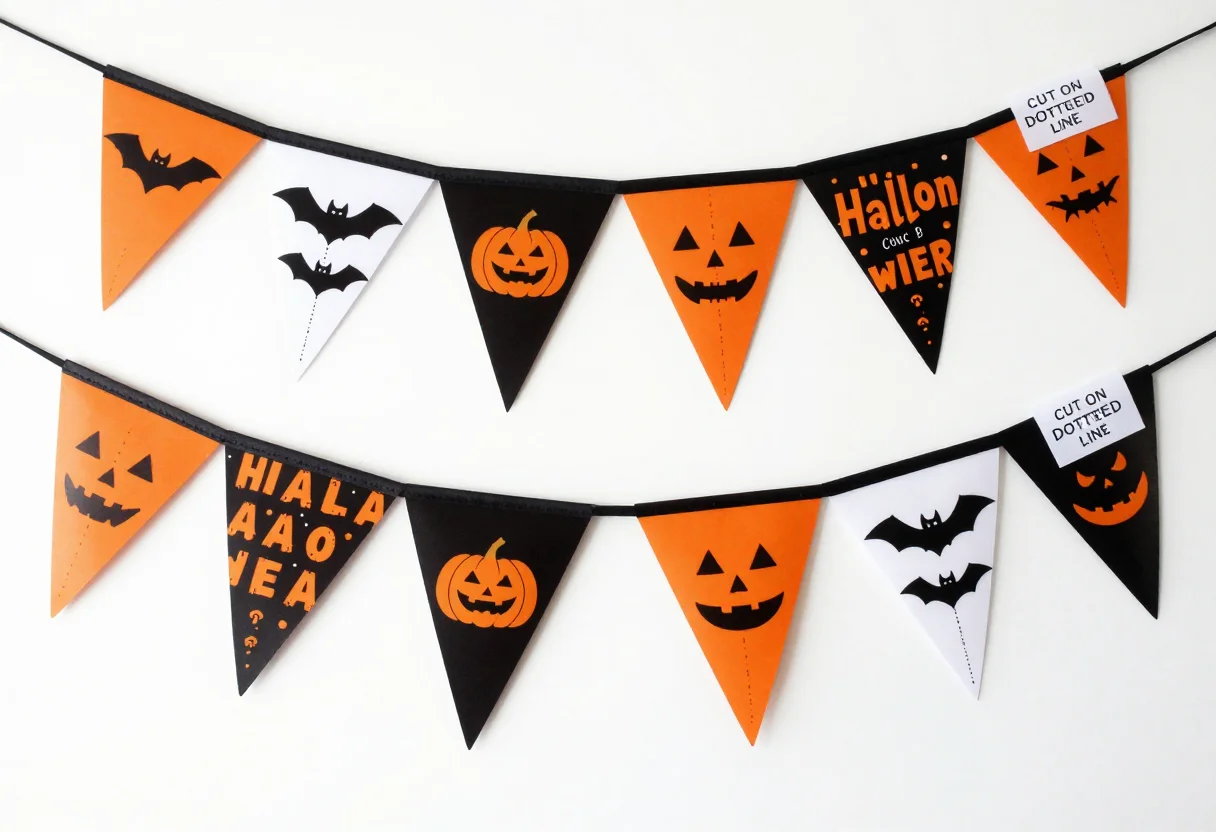
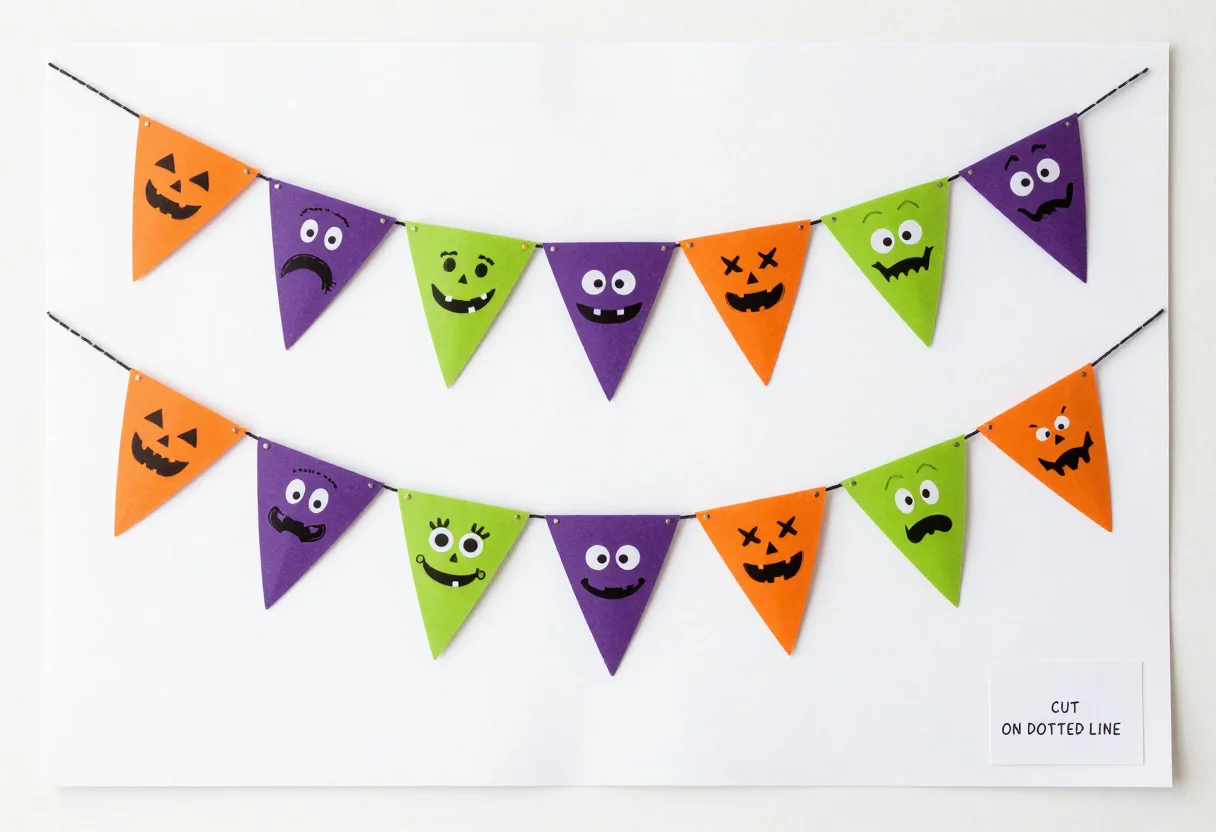
Make your ownHalloween bunting
Describe yours. We'll remake the whole pack your way.
More like this
the whole catalog →
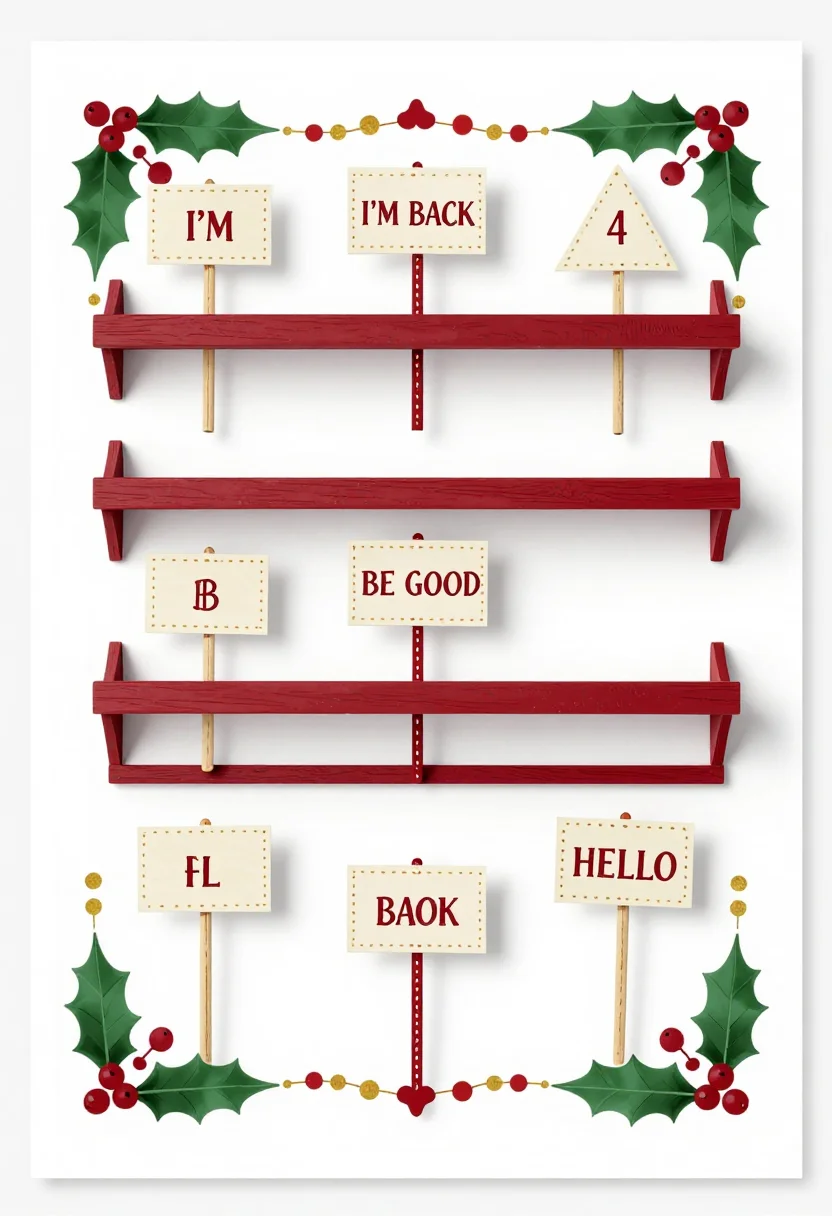


every sample — three subjects, three styles ↓
A Halloween bunting needs three scales: patterned triangle flags for the wall, letter flags to spell a greeting, and mini flags small enough for a cake. These nine are drawn with cut lines throughout — a classic orange-and-black bunting, a gothic filigree set, and a bright kids' version. String them on ribbon or twine. Type a different word or color and the set redraws.
- a Halloween party wall or doorway
- a dessert table or cake topper
- a photo backdrop for trick-or-treaters
- a classroom or office Halloween decoration
Frequently asked questions
- What size are the flags?
- Patterned and letter flags are drawn at a standard bunting scale for a wall or doorway; the mini flags are sized for a cake or cupcake, all with cut lines.
- What do I need to assemble it?
- Cut along the lines, then string the flags on ribbon, twine, or a cocktail stick for the mini set — no punching or gluing beyond that.
- Can I spell a different word with the letter flags?
- Yes — type the word or greeting you want and the letter flags are drawn to spell it, in the same three styles.
- Is there a version for a grown-up party, not just kids?
- The gothic set is built for that — filigree and elegant lettering — while the kids' set stays bright and the classic set sits in between.
About toile
This page is a showcase and a starting point: nine samples already rendered, three readings of the pack crossed with three styles, each shown at the size and ratio it was made for. Take any of them further on the wall with a few words, or ask for all nine again under your own direction; a sign-in keeps what you make, and it is free while Toile is new. The recipe behind each sample — the subject, the style, the palette, the framing — travels with the image rather than staying private to the render: it is in the alt text of every sample and in the page's own structured data, so a search engine reads the same handles a person would.