/halloween-scavenger-hunts · season
Halloween scavenger hunt: walk, clues and indoor in three styles
Make your ownHalloween scavenger hunts
Describe yours. We'll remake the whole pack your way.
More like this
the whole catalog →
every sample — three subjects, three styles ↓
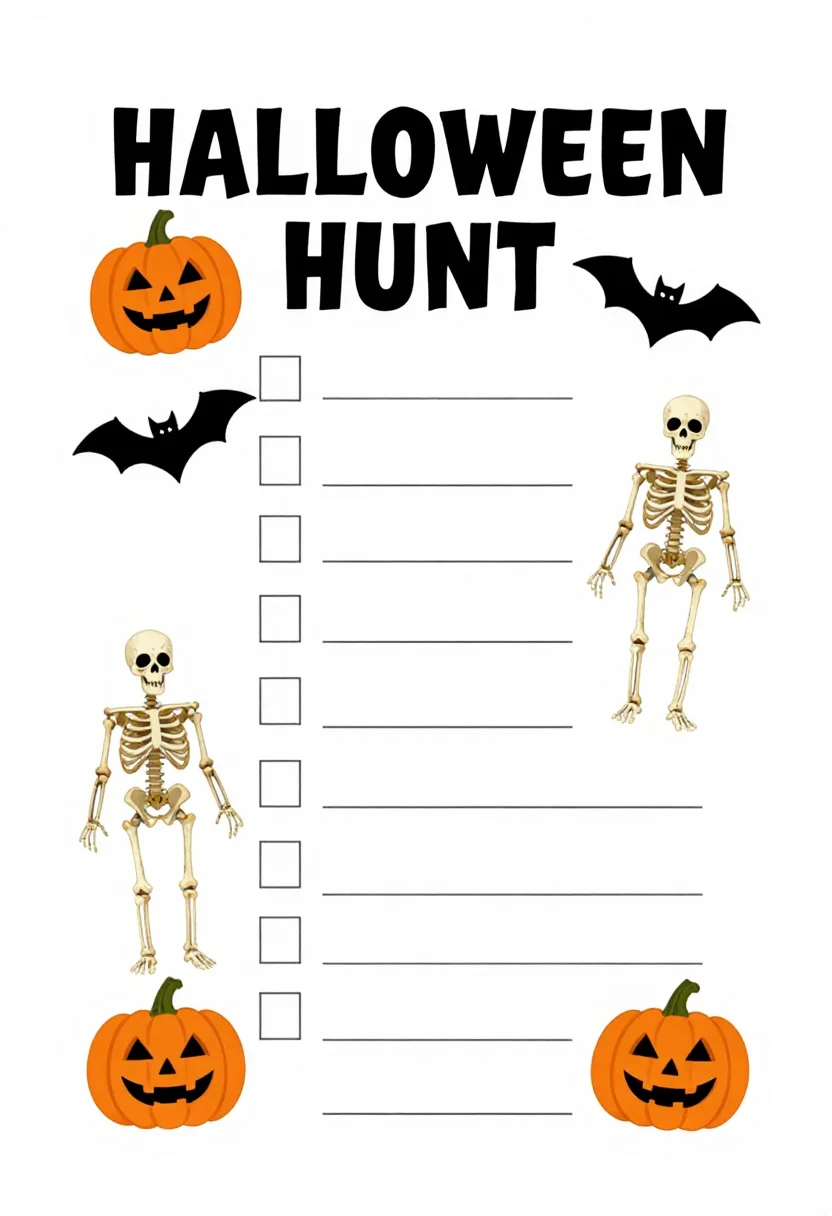
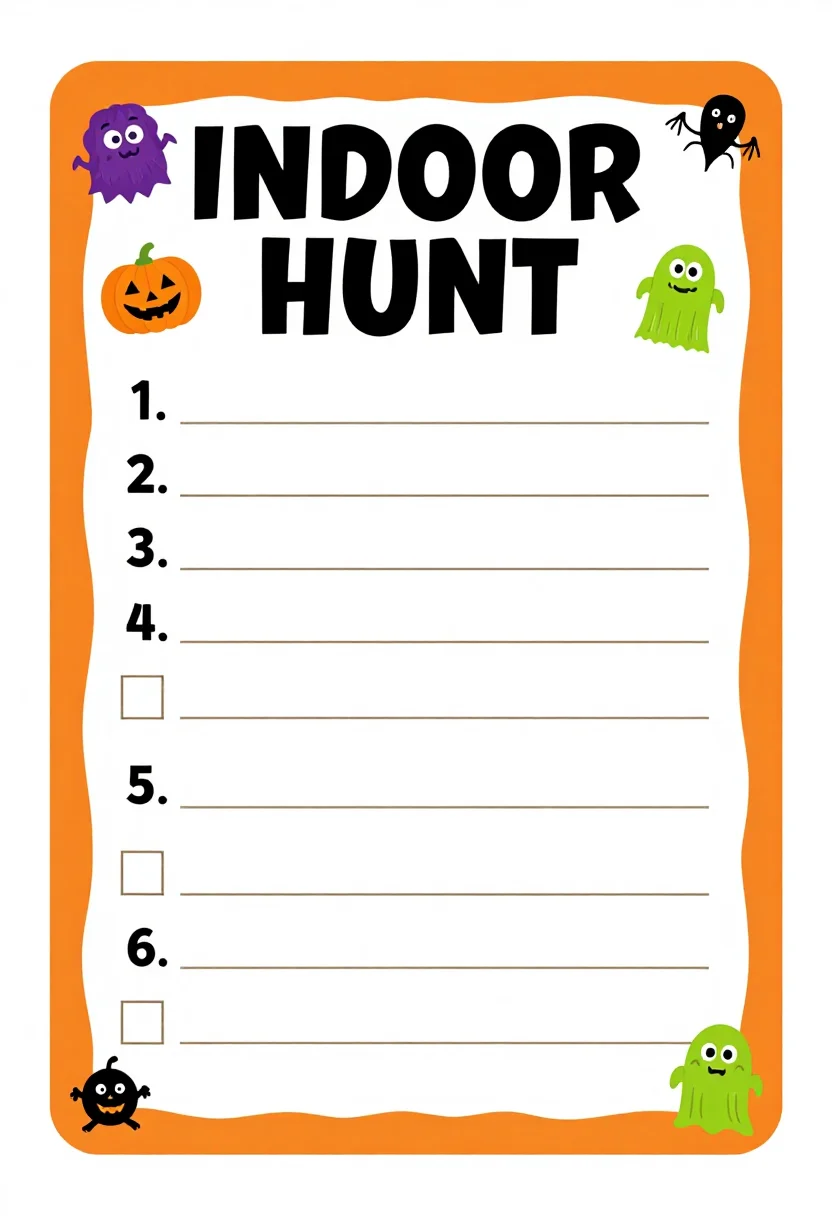
Three ways to run a Halloween scavenger hunt: a picture checklist for a neighborhood walk, a set of clue cards to hide and follow, an indoor list for a rainy night. Every item is lettered with its own checkbox, drawn classic orange-and-black, gothic elegant, or bright kids' style. Type a different set of items and the list redraws.
- a Halloween neighborhood walk activity
- a classroom or party scavenger hunt
- an indoor rainy-night Halloween game
- a family Halloween evening activity
Frequently asked questions
- How many items are on each list?
- Each sheet carries a checklist sized for a single outing — enough items to keep a walk or an indoor round going without dragging.
- Can I change the items on the list?
- Yes — type your own set, like 'add a black cat' or 'make it easier for toddlers,' and the list redraws in the same style.
- Do I need to hide anything for the clue cards?
- Yes — the clue card set is written to be placed around a house or yard and followed in sequence; the picture checklist and indoor list need no hiding.
- Is there a version simple enough for young kids?
- The kids' set uses bigger pictures and simpler wording; the gothic and classic sets carry finer detail better suited to older kids or adults.
About toile
This page is a showcase and a starting point: nine samples already rendered, three readings of the pack crossed with three styles, each shown at the size and ratio it was made for. Take any of them further on the wall with a few words, or ask for all nine again under your own direction; a sign-in keeps what you make, and it is free while Toile is new. The recipe behind each sample — the subject, the style, the palette, the framing — travels with the image rather than staying private to the render: it is in the alt text of every sample and in the page's own structured data, so a search engine reads the same handles a person would.